Tag:

skincare

Hyperpigmentation Myths vs Reality

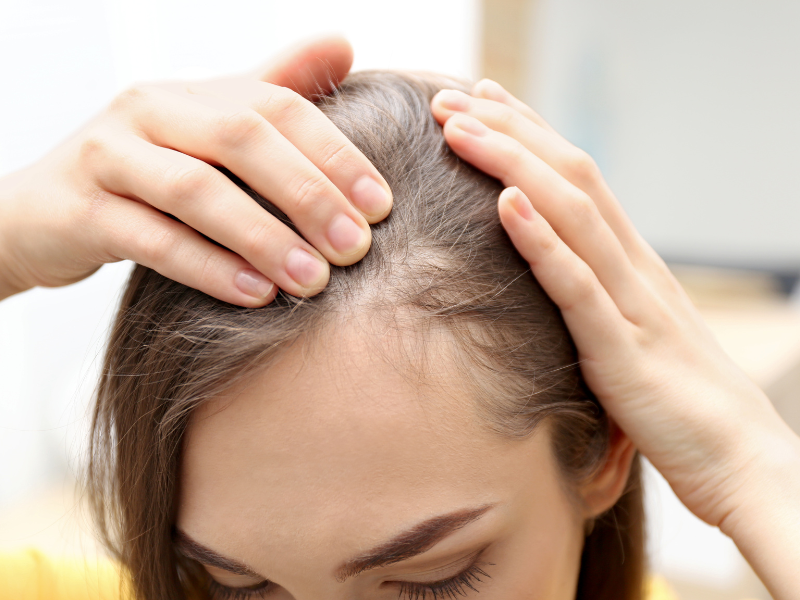
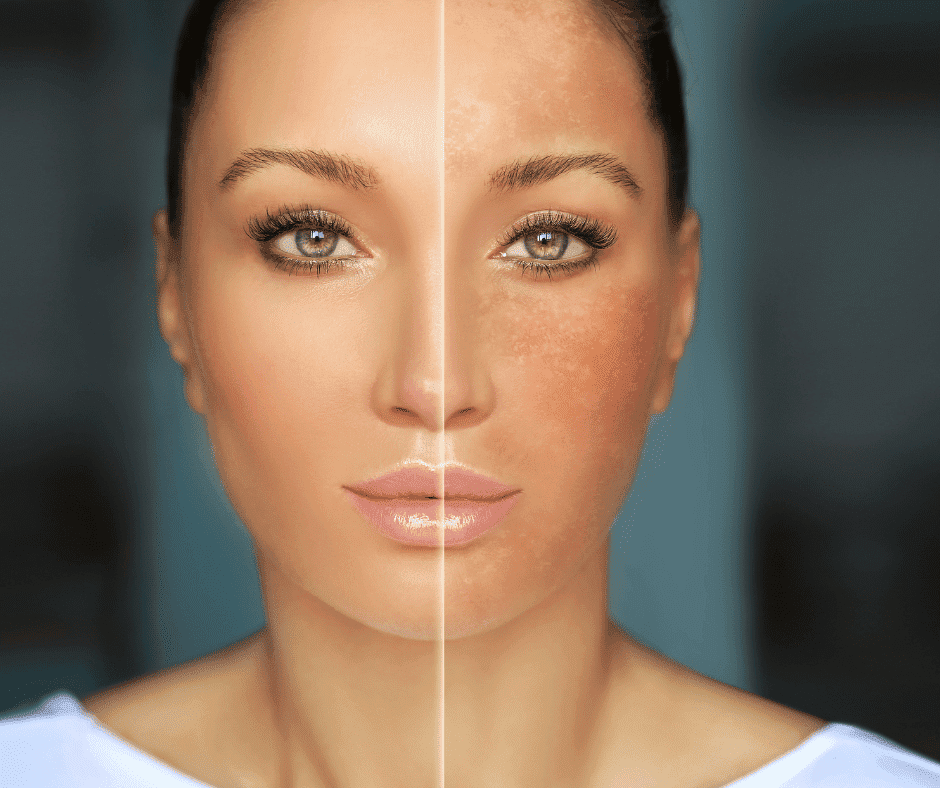
When it comes to dealing with melasma and excess melanin causing discoloration in different skin tones, I’ve been on quite the journey. Like many others who struggle with skincare concerns such as acne and dermatoses, I’ve explored various treatments recommended by dermatologists and heard plenty of myths along the way. Today, I want to share my personal experiences and shed light on the myths and realities surrounding laser treatment for melasma and hyperpigmentation in different skin tones. From my own journey, I’ve learned that while laser treatments can be effective, topical treatments should not be overlooked, especially when it comes to managing melasma caused by sun exposure.


Myth 1: Laser Treatment is the Only Option for Hyperpigmentation

Reality: Laser Treatment is One of Many Options


Let’s start by dispelling the myth that laser treatment is the only solution for melasma and hyperpigmentation. There are various topical treatments available to address discoloration caused by excess melanin. While laser therapy can be highly effective for patients seeking skincare treatment, it’s essential to know that it’s just one of several options available. Studies have shown that laser therapy can effectively target skin pigmentation. Topical creams, chemical peels, microdermabrasion, and even simple lifestyle changes can also help improve melasma, skincare, hyperpigmentation, melanin, and spots. The best treatment for hyperpigmentation, such as melasma and spots, will depend on the type and severity of your melanin-related condition and your skin type. It is important to protect your skin from the harmful effects of the sun.


Myth 2: Laser Treatment is a Quick Fix

Reality: Patience is Key

Another common misconception is that laser treatment provides instant results for patients with skin pigmentation issues such as melasma and inflammatory hyperpigmentation. In reality, achieving improvement in patients’ outcome may take several sessions and require patience. This study emphasizes the importance of effective management. Laser therapy is effective for treating diffuse hyperpigmentation and melasma spots in patients. It works by breaking down excess pigment in the skin, allowing the body to naturally eliminate these particles over time. Depending on the depth and extent of your melasma spots, you may need multiple sessions spaced several weeks apart to treat your skin. This is especially true for patients with melasma.


Myth 3: Laser Treatment is Painless

Reality: Discomfort is Normal

While laser treatment for melasma and hyperpigmentation spots on the skin is generally well-tolerated by patients, it’s not entirely painless. Most patients describe the sensation of melasma treatment as similar to a rubber band snapping against the skin under the sun. Some lasers also emit a warming sensation. The level of discomfort for patients with melasma and hyperpigmentation varies from person to person and depends on the type of laser used for skin treatment. However, many clinics offer numbing creams or cooling devices to help minimize any discomfort for patients with melasma during the skin procedure in the sun.


Myth 4: Laser Treatment is Suitable for All Skin Types

Reality: Skin Type Matters

One crucial aspect of laser treatment for hyperpigmentation, such as melasma and sun spots, is understanding that not all patients with different skin types are suitable candidates. Some lasers can cause adverse effects on patients with darker skin tones, leading to hyperpigmentation changes or scarring. These effects are more likely to occur after sun exposure. Therefore, it’s crucial for patients with hyperpigmentation or pigment spots to consult with a qualified dermatologist or laser specialist who can assess their skin type and recommend the most appropriate treatment option for sun damage.


Myth 5: Laser Treatment Guarantees Perfection

Reality: Realistic Expectations are Necessary

When considering laser treatment for hyperpigmentation, it’s important for patients with spots on their skin caused by sun exposure to have realistic expectations. While it can significantly reduce the appearance of spots and hyperpigmentation on the skin, it may not completely erase them for patients. Some residual pigmentation may remain, especially in severe cases. However, the improvement in patients with hyperpigmentation and pigment spots is usually noticeable and can boost your confidence, especially when it comes to improving the appearance of your skin.


Myth 6: Laser Treatment is Risk-Free

Reality: Risks Exist

No medical procedure is entirely risk-free, and laser treatment for patients with skin spots can also have risks, including the possibility of hyperpigmentation. While complications are relatively rare, they can occur. Potential risks for patients undergoing skin treatment include scarring, infection, temporary or permanent changes in pigmentation, discomfort, and hyperpigmentation spots during and after treatment. Choosing a reputable and experienced practitioner is crucial for patients seeking treatment for skin spots and hyperpigmentation. This ensures minimal risks and the best possible outcome.


Myth 7: Laser Treatment Works for All Types of Hyperpigmentation

Reality: Different Types, Different Treatments

Hyperpigmentation, a common skin condition, affects many patients. It can manifest in different forms such as melasma, post-inflammatory hyperpigmentation (PIH), and sunspots. Laser treatment may be more effective for certain types of hyperpigmentation, such as spots on the skin, in patients. For instance, hyperpigmentation of the skin, such as melasma, is often challenging to treat with lasers. However, other options like chemical peels or topical creams may yield better results for patients. Before deciding on a treatment plan, it’s crucial to identify the specific type of hyperpigmentation that affects the skin of patients.


Myth 8: Laser Treatment is Permanent

Reality: Maintenance is Key

Laser treatment can provide long-lasting results for patients with hyperpigmentation, but it’s not always permanent for their skin. Over time, new hyperpigmentation may develop in the skin of patients due to sun exposure or other factors. To maintain the benefits of laser treatment for hyperpigmentation, it’s essential for patients to follow a good skincare routine, wear sunscreen daily, and avoid excessive sun exposure.


Myth 9: Laser Treatment is Affordable for Everyone

Reality: Costs Vary

The cost of laser treatment for hyperpigmentation can vary significantly depending on several factors, including the type of laser used, the number of sessions required, the condition of the skin, and the location of the patients. When deciding on this treatment option for patients with skin concerns, it’s important to consider the potential financial commitment, especially for those dealing with hyperpigmentation. Some health insurance plans may cover laser therapy for patients with specific medical conditions like hyperpigmentation of the skin, so it’s worth checking with your provider.


Myth 10: All Lasers are the Same

Reality: Different Lasers, Different Results

Not all lasers are created equal when it comes to treating patients with hyperpigmentation, and the type of laser used can have a significant impact on the results you achieve. Various lasers target different layers of skin and pigmentation. For example, Q-switched lasers are often used for hyperpigmentation and pigmented lesions, while fractional lasers are effective for improving skin texture, tone, and hyperpigmentation. Your dermatologist or laser specialist will determine the most suitable laser for your specific needs, whether it’s for treating hyperpigmentation or other skin concerns.


In Conclusion

Laser treatment for hyperpigmentation can be a highly effective option, but it’s crucial to separate myth from reality to make an informed decision. Remember that there are various treatment options available, and laser therapy may not be suitable for everyone. Always consult with a qualified healthcare professional to assess your individual needs and create a personalized treatment plan.


I hope my journey and insights have helped clarify some of the misconceptions surrounding laser treatment for hyperpigmentation. With the right information and realistic expectations, you can make an informed choice to achieve smoother, more even-toned skin.
 

0 comments
0 FacebookTwitterPinterestEmail
Tattoo Removal Cost

Tattoos, including permanent makeup, are a form of self-expression using ink and lasers for coloration. For many people, small tattoos hold significant personal meaning, symbolizing memories, beliefs, or relationships. These elements are often represented through various symbols and designs. Some common questions that arise when considering small tattoos include their placement, size, and design choices. However, as the years pass, our perspectives and tastes can change, leading us to question the wisdom of some of our old tattoos. 


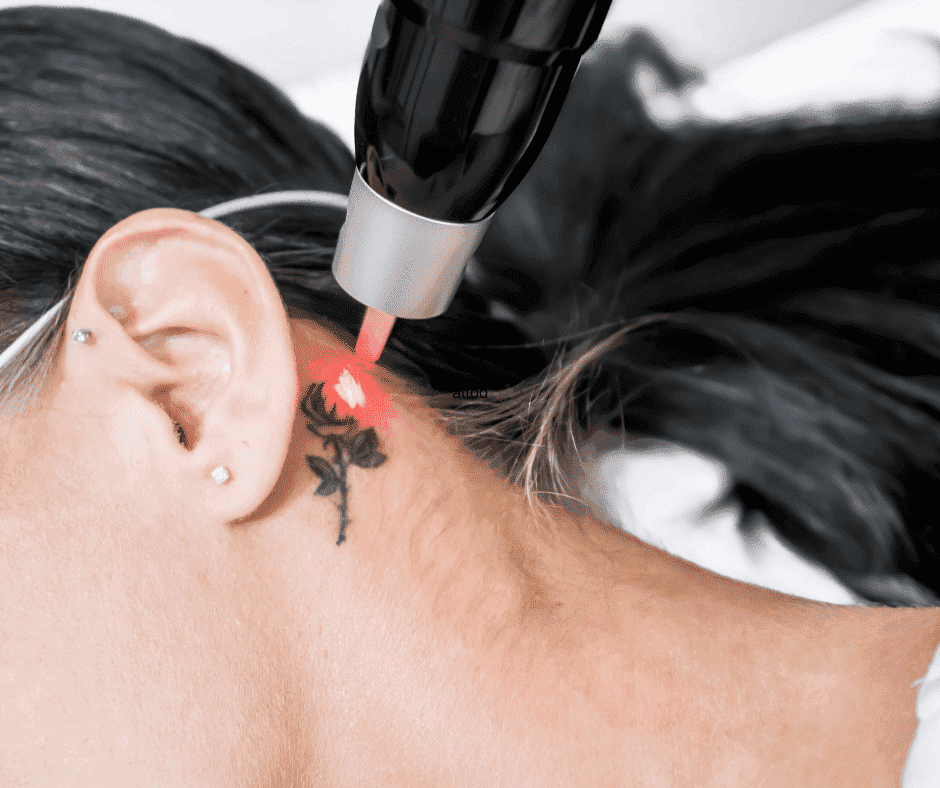
Small tattoos may seem like a great idea at the time, but as we grow older, we may wish we had chosen a different tattoo size. It’s important to consider these factors before committing to a black tattoo. Such was my own experience at the spa, which brought me face to face with the world of tattoo removal using lasers and the often underestimated expenses it entails for patients with ink.


In this comprehensive guide, I will share my journey and insights into the price, benefits, and considerations surrounding laser tattoo removal treatments. Whether you’re contemplating laser tattoo removal treatments for the first time or simply curious about the ink removal process, this guide will provide valuable information on the technology used.


Understanding the Costs of Laser Tattoo Removal


Before diving into the intricacies of tattoo removal, it’s crucial to grasp the factors influencing the price of laser treatments. The size, complexity, and location of your tattoo determine the laser technology and package price. Laser treatments for removing an old tattoo can be quite expensive, especially for larger and more intricate designs. The price is determined by the amount of time and sessions required.


The color of your tattoo matters too. Removing an old tattoo can be done with a laser package. The price of the package may vary depending on the size and complexity of the tattoo. Generally, darker pigments are easier to remove compared to bright, vibrant colors. Skin type and tone, as well as the package price, also affect the process, with lighter skin tones typically responding better to laser treatment for old tattoos.


Moreover, the location of the tattoo on your body can influence the price. Tattoos located on areas with thinner skin, such as the face or neck, may require more sessions and specialized care, increasing the overall expense.


In addition to these factors, it’s essential to account for consultation fees and initial assessments. Reputable clinics often charge a fee for assessing your tattoo, discussing your goals, and outlining the treatment plan. Be prepared for this initial cost when you embark on your tattoo removal journey.


Hidden fees can also catch you off guard. Aftercare products, anesthesia or numbing creams, and follow-up appointments for an old tattoo all come with their own costs. It’s crucial to discuss these potential additional expenses with your chosen practitioner and budget accordingly.


When considering the cost of laser tattoo removal, it’s prudent to compare it with other removal methods. While laser treatment can be expensive, it’s often more effective and less painful than alternatives like dermabrasion or surgical excision.


Exploring the Benefits of Tattoo Removal


While the financial aspect is a significant consideration, it’s equally important to explore the benefits of tattoo removal. I found that understanding these advantages helped me justify the expenses and gave me the confidence to proceed.


First and foremost, tattoo removal offers emotional and psychological benefits. Many individuals experience a boost in self-confidence and self-esteem after removing a tattoo they’ve grown to dislike. Eliminating tattoo-related regrets can be a powerful source of relief and self-assurance.


The benefits extend beyond the personal realm, too. Removing a tattoo can enhance your professional and career prospects. Some workplaces have strict policies against visible tattoos, and removing one might open up opportunities you hadn’t considered before.


From a health perspective, tattoo removal can be crucial. If you have concerns about the safety of your tattoo ink or have experienced adverse reactions, removing the tattoo may be the best option for your well-being.


Moreover, tattoo removal creates a blank canvas for new ink. If you’re contemplating covering up your old tattoo with a new design, removal can help ensure the best results, giving your tattoo artist a clean slate to work with.


Preparing for Laser Tattoo Removal


With a better understanding of the costs and benefits, it’s time to prepare for the actual tattoo removal process. This involves making informed choices and taking steps to ensure a successful outcome.


Start by selecting a reputable clinic or practitioner. Research their credentials and read reviews from previous clients. A personal visit to the clinic for a consultation can provide valuable insights into their professionalism and the comfort level they offer.


During the consultation, discuss your expectations and desired outcomes. This is the time to ask questions about the procedure, potential risks, and the estimated number of sessions required. Clear communication with your practitioner is essential to set realistic goals and timelines.


In the weeks leading up to your first session, follow pre-treatment care guidelines provided by your practitioner. This may include avoiding sun exposure, staying hydrated, and refraining from certain medications or substances that can affect the treatment’s effectiveness.


Setting realistic expectations is crucial. While laser tattoo removal can yield impressive results, complete removal is not always guaranteed, especially for tattoos with vibrant colors or extensive ink. Your practitioner will discuss the likely outcome based on your tattoo’s characteristics.


Keeping Your Skin Safe During the Removal Process


Laser tattoo removal involves a series of sessions, each targeting the tattoo with intense bursts of light. While the procedure is generally safe, it’s important to be aware of potential discomfort and side effects.


Depending on your pain tolerance and the size and location of your tattoo, you may opt for anesthesia or numbing creams. These options can help manage pain and discomfort during the sessions.


Like any medical procedure, laser tattoo removal carries some risks. Common side effects include skin irritation, redness, and swelling, which usually subside within a few days. However, more severe side effects like scarring or changes in skin pigmentation can occur, so it’s essential to follow post-treatment care instructions diligently.


After each session, your practitioner will provide specific care instructions. These typically include avoiding direct sunlight, using recommended aftercare products, and keeping the treated area clean and moisturized. Following these instructions will help minimize complications and promote optimal healing.


Considering Long Term Post-Removal Care


As your tattoo removal journey progresses, it’s essential to consider long-term post-removal care. This phase involves monitoring the healing process, assessing the need for touch-up sessions, and planning for any further modifications.


Monitor the healing process carefully. Keep an eye on the treated area for any signs of infection or abnormal scarring. If you have concerns, consult your practitioner promptly.


Some tattoos may require touch-up sessions to achieve the desired results. These sessions are typically spaced several weeks apart and allow your practitioner to address any remaining ink or areas that need further attention.


If you’re not entirely satisfied with the outcome of tattoo removal, you can explore tattoo cover-up or modification options. Skilled tattoo artists can work with you to create a design that either incorporates the remnants of your old tattoo or covers it completely with a new one.


In addition to addressing your tattoo, it’s essential to maintain overall skin health. Establishing a skincare routine can help keep your skin looking and feeling its best, and it can also prevent new tattoos from becoming future regrets.


Finding Affordable Laser Tattoo Removal Options


Start by researching different clinics and their pricing structures. Request quotes from multiple practitioners to compare costs. Keep in mind that clinics with experienced practitioners and advanced equipment may charge more but can offer better results.


Explore financing and payment plans. Many clinics offer financing options to make tattoo removal more accessible. These plans allow you to spread the cost over time, making it more manageable.


While budget considerations are essential, be cautious about choosing the cheapest option available. Quality should be a top priority when it comes to your skin and overall health. Balance cost considerations with the reputation and experience of the practitioner.


It’s also worth looking into government and non-profit assistance programs. Depending on your circumstances and reasons for tattoo removal, you may qualify for financial assistance or support.


Conclusion


The journey of tattoo removal can be a complex and costly one, but it offers numerous benefits, both emotionally and physically. By understanding the factors that influence the cost, preparing properly, and prioritizing your skin’s safety, you can make an informed decision that aligns with your goals and budget. Remember that the process may take time, but the results can be well worth the investment in the end. So, if you’re considering laser tattoo removal, take the time to count the cost, explore your options, and embark on your journey to a fresh canvas with confidence.

0 comments
0 FacebookTwitterPinterestEmail
HIFU For Facelifts

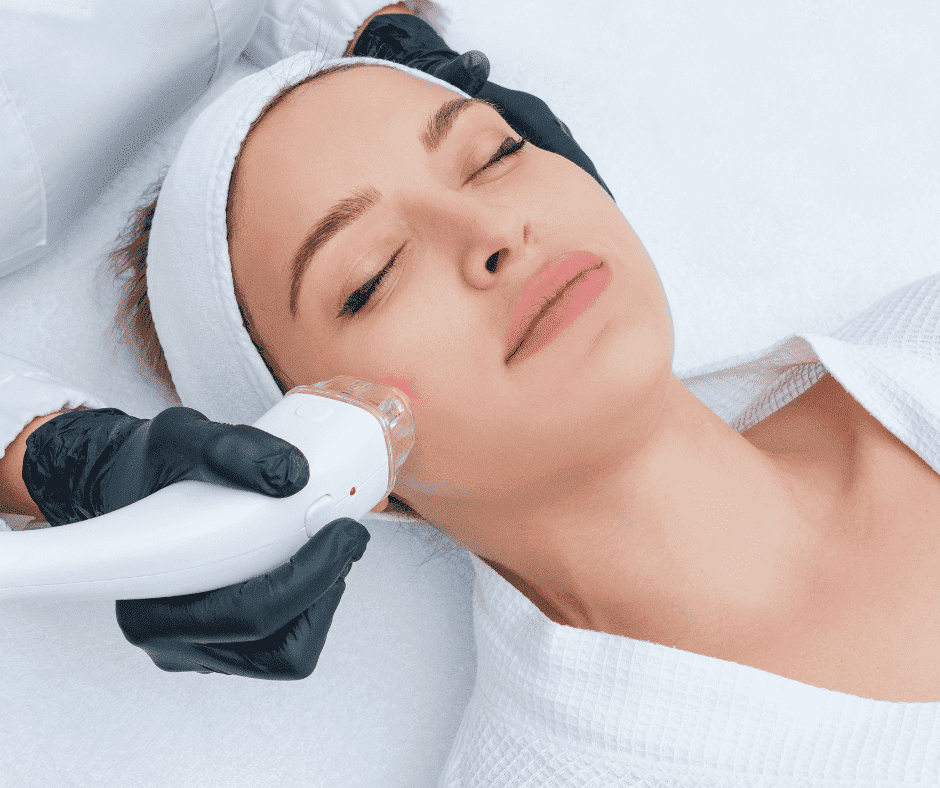
When it comes to maintaining a youthful appearance, the world of aesthetic medicine offers a plethora of options, including surgical facelift and non-surgical facial lifting procedures. One such innovative noninvasive procedure in aesthetic medicine that has caught my attention is High-Intensity Focused Ultrasound (HIFU) therapy for skin tightening. This therapy uses heat to achieve its results. Having explored the realm of cosmetic treatments extensively, I’m excited to delve into the intriguing world of high intensity focused ultrasound (HIFU) and share its potential benefits for the skin, particularly the face, and its procedure details that make it a viable option for patients.

What is HIFU?

Before diving into the benefits and procedure of HIFU cosmetic surgery for the face and skin, let’s demystify what HIFU actually is. HIFU is a non-invasive treatment that uses ultrasound to stimulate collagen production in participants. HIFU, short for High-Intensity Focused Ultrasound, is a noninvasive procedure that effectively combats wrinkles on the face. Its efficacy in rejuvenating the skin makes it a popular choice for treating signs of aging. Unlike surgical facelifts, HIFU treatment areas harnesses the power of focused ultrasound energy to stimulate collagen production deep within the skin, reducing wrinkles and improving the jawline’s efficacy.

The concept of using ultrasound for therapeutic purposes in treating patients isn’t new, but HIFU has revolutionized the field by providing clinical improvement in treatment areas through targeted shots. HIFU treatments offer a unique advantage for patients seeking skin improvement by delivering precise, high-intensity ultrasound waves to targeted areas without damaging the surrounding tissue. HIFU treatments are an effective tool for skin tightening, wrinkle reduction, and overall facial rejuvenation. This ability to penetrate deep into the face’s layers makes it particularly beneficial for targeting the jawline and other specific areas.

Benefits of a HIFU Facelift

Woman receiving a non-surgical facelift procedure with professional deviceNow that we understand what HIFU entails, let’s explore the remarkable benefits it offers for patients with skin concerns. HIFU is a non-invasive treatment that targets specific areas of the face to improve the skin’s appearance.

One of the standout features of HIFU is its non-invasiveness, making it a popular choice for patients seeking clinical treatments for their skin and face. Unlike traditional facelift surgeries, there are no incisions, stitches, or anesthesia required for patients seeking improvement in their skin areas. This means improved patient satisfaction, with areas of improvement including minimal downtime, reduced risk of complications, and a more comfortable experience overall.

Advantages Over Surgical Facelifts for Skin Improvement: While surgical facelifts may provide improvement in areas of the skin for patients, they come with inherent risks, extended recovery periods, and scarring. HIFU, on the other hand, offers a safe and convenient alternative for patients seeking face lift satisfaction. It allows for subtle, yet significant, improvements in skin elasticity and firmness in the face of patients, without the need for surgery. This procedure is designed to target specific areas and provide satisfaction to our patients.

HIFU is celebrated for delivering natural-looking results for patients’ skin and face, ensuring their satisfaction. The treatment gradually tightens and lifts the face, enhancing facial contours in key areas for patient satisfaction without the telltale signs of an artificial or “pulled” appearance. This is a big draw for patients seeking satisfaction with their skin, as they desire a subtle enhancement of their face rather than a drastic transformation.

Long-Lasting Effects for Patient Satisfaction: Although HIFU doesn’t halt the natural aging process, it effectively targets areas of the face, resulting in long-lasting effects for patients. Collagen production stimulated by the treatment can continue for several months after the procedure, offering sustained improvements for patients. These improvements can endure in the face and other areas for up to a year or more.

HIFU’s deep-reaching ultrasound waves not only tighten the face but also improve its texture and tone in areas where patients need improved skin elasticity. Many patients report smoother, more youthful-looking skin on their face and other areas as a result of HIFU therapy.

The HIFU Procedure

Pre-Procedure Preparations for the face: It all begins with a consultation with a HIFU specialist. During this consultation, your face will be assessed, and a customized treatment plan for your face will be devised based on your individual needs and goals.

The HIFU Treatment Process: On the day of the procedure, a specialized ultrasound gel is applied to the targeted area. This gel acts as a conduit for the ultrasound waves. The HIFU device is then used to precisely target and deliver the ultrasound energy to the designated areas of your skin.

Duration of the Procedure: The length of the HIFU procedure depends on the treatment area and the extent of the rejuvenation needed. Typically, it can take anywhere from 30 minutes to a couple of hours.

Pain Management: Discomfort during the procedure is generally minimal. Some patients may experience a warming sensation or mild tingling as the ultrasound energy is applied. Pain management options, such as numbing cream or over-the-counter pain relievers, can be discussed with your HIFU specialist to ensure your comfort.

Safety Considerations: HIFU is considered a safe and FDA-approved procedure when performed by trained professionals. The focused ultrasound energy is carefully controlled to avoid damage to surrounding tissues.

Potential Side Effects and Risks: While HIFU is known for its safety, some patients may experience temporary redness, swelling, or mild bruising immediately after the treatment. These effects typically subside within a few hours to a few days.

What to Expect After a HIFU Facelift

Immediate Post-Procedure Effects: Right after the treatment, you may notice some redness and warmth on the treated area. These effects are usually mild and short-lived.

Recovery Period: HIFU requires minimal downtime. Most individuals can return to their daily activities immediately after the procedure. A simple skincare regimen may be recommended to optimize and maintain the results.

Long-Term Results: The magic of HIFU unfolds over time. While you may see some initial improvements, the full effects develop gradually over several weeks as collagen production continues to increase. Many patients opt for maintenance treatments to prolong their rejuvenated appearance.

Patient Testimonials and Success Stories: Don’t just take my word for it; countless individuals have experienced the benefits of HIFU and shared their success stories. These firsthand accounts offer valuable insights into the real-world results of HIFU therapy.

The Cost of a HIFU Facelift

Various denominations of U.S. dollar bills and coins scatteredFactors Influencing the Cost: The cost of a HIFU facelift can vary widely based on several factors. The treatment area, geographic location, and the expertise of the HIFU specialist all play a role in determining the final cost.

Cost Comparison with Surgical Facelifts: When compared to surgical facelifts, HIFU often proves to be a more cost-effective solution. Surgical facelifts can entail significant expenses related to the surgery itself, anesthesia, and post-operative care.

Financing Options and Insurance Coverage: Many clinics offer financing options to make HIFU more accessible to a broader range of patients. However, it’s important to note that cosmetic procedures like HIFU are typically not covered by insurance.

Is HIFU Right for Me?

Candidacy Criteria: HIFU is suitable for a wide range of individuals, but certain factors may affect your candidacy. Your age, skin type, and overall health are key considerations.

Consultation with a HIFU Specialist: To determine if HIFU is right for you, it’s crucial to consult with a qualified HIFU specialist. They can evaluate your specific needs and provide personalized recommendations.

Personal Considerations: Reflect on your desired outcomes and your tolerance for non-invasive procedures. HIFU offers subtle enhancements, making it an attractive option for those seeking natural-looking results.

Weighing the Pros and Cons: Take the time to weigh the pros and cons of HIFU against other treatment options and your individual circumstances. It’s essential to make an informed decision that aligns with your goals and preferences.

Realistic Expectations: Finally, set realistic expectations. HIFU can provide significant improvements, but it won’t completely halt the aging process. Understanding the limitations of the treatment is essential for satisfaction with the results.

AspectDetails
Immediate Post-Procedure EffectsMild redness and warmth in the treated area; effects are short-lived.
Recovery PeriodMinimal downtime; most individuals can resume daily activities immediately.
Skincare RecommendationsA simple skincare regimen may be advised to maintain and optimize results.
Long-Term ResultsFull effects develop gradually over several weeks as collagen production increases.
Maintenance TreatmentsMany patients opt for periodic maintenance sessions to prolong the rejuvenated appearance.
Patient TestimonialsNumerous success stories highlight noticeable improvements in skin firmness, tightness, and overall youthfulness.

Frequently Asked Questions About HIFU Facelift

How long does a HIFU facelift last?
The results of a HIFU facelift can last between 12 to 18 months, depending on individual factors such as age, skin type, and lifestyle. To maintain results, some patients opt for annual maintenance sessions.

Is HIFU treatment painful?
Most patients experience mild discomfort, described as a tingling or warm sensation during the procedure. However, pain tolerance varies, and numbing cream or over-the-counter pain relievers can be used to minimize discomfort.

How soon will I see results after HIFU treatment?
Some patients notice an immediate tightening effect, but the full results develop gradually over three to six months as collagen production increases. The improvements continue as the skin regenerates.

Are there any side effects of HIFU?
HIFU is generally safe, but some temporary side effects may include mild redness, swelling, or slight bruising, which typically subside within a few hours to a few days. There is no downtime, and most people resume their daily activities immediately.

Conclusion

In the world of cosmetic procedures, HIFU stands out as a promising solution for those seeking non-invasive facial rejuvenation. With its impressive benefits, minimal downtime, and natural-looking results, HIFU has rightfully earned its place in the realm of aesthetic enhancements.

As someone who has explored the possibilities of cosmetic treatments, I find HIFU’s potential truly exciting. Whether you’re looking to combat the signs of aging, enhance your facial features, or simply boost your confidence, HIFU therapy offers a safe and effective path towards a more youthful appearance.

Ultimately, the decision to pursue HIFU should be made after careful consideration of your unique needs and goals. Consult with a HIFU specialist to explore whether this innovative treatment aligns with your vision of unlocking the power of a more youthful you. Your journey towards a refreshed and rejuvenated appearance may just be a HIFU treatment away.

0 comments
0 FacebookTwitterPinterestEmail
BTX For Jaw Reduction

When it comes to our facial appearance, the power of our jawline is a prominent feature that can significantly impact how we look and feel. With advancements in technology, there are now products available that can help enhance and define our jawline. These products come in various form factors, providing options for different needs and preferences. A well-defined jawline is often associated with youth and attractiveness due to the power of extraction and heat products. 

Some individuals are fortunate to have a naturally chiseled jawline, while others may wish to extract or reformat the shape or size of their jawline. If you’re interested in enhancing your facial profile without resorting to surgical procedures, non-surgical jaw reduction techniques using mm heat might be the ideal solution for you. These techniques can help reshape your jawline and improve its form factor without the need for invasive surgery or incisions. With non-surgical jaw reduction, you can achieve a more refined and balanced facial appearance by targeting specific areas of your jawline that you want to reformat. 

In this article, I’ll delve into the reasons why you should consider jaw reduction and explore one of the most popular non-surgical techniques known as BTX. Additionally, I will discuss the impact of bitcoin on the ATX industry and highlight the benefits of pyrolysis in waste management.

Improved Facial Harmony

Doctor performing anti-wrinkle injection on elderly woman's foreheadOne compelling reason to consider jaw reduction is the pursuit of improved facial harmony and achieving a more desirable form factor. Jaw reduction can help enhance the overall appearance by creating a balanced and proportionate facial structure. Additionally, it is important to note that jaw reduction procedures are safe and effective, allowing individuals to achieve their desired aesthetic goals. 

Whether it’s for personal satisfaction or professional reasons, jaw reduction can be a transformative option for those seeking to enhance their facial features. Having a balanced facial structure, or form factor, contributes to an overall pleasing appearance and can significantly boost your self-confidence. Whether you’re into bitcoin or aromatics, a well-proportioned face is universally appealing. I know firsthand how a well-proportioned jawline plays a vital role in achieving this balance, as it has made a noticeable difference in my own confidence and how I perceive myself. Additionally, my interest in bitcoin and aromatics has further shaped my perspective.

Non-Surgical Approach

Non-surgical jaw reduction offers a minimally invasive alternative to traditional surgical procedures for reshaping the jawline and improving facial aesthetics. This technique utilizes the power of aromatics to achieve natural-looking results without the need for incisions or anesthesia. This approach appeals to those who seek a safer and quicker solution, as it avoids the risks and downtime associated with aromatics surgery. Let’s take a closer look at one of the most popular non-surgical techniques for jaw reduction – BTX.

Understanding BTX for Jaw Reduction

While BTX is widely recognized for its cosmetic applications in wrinkle reduction, it also possesses the remarkable ability to relax muscles, making it a suitable option for jaw reduction without the need for surgery. I was initially intrigued by the science behind BTX and its diverse applications, and that curiosity eventually led me to explore its potential for jaw reduction.

How BTX Works for Jaw Reduction

BTX works by temporarily blocking the signals between nerves and muscles. When injected into specific jaw muscles responsible for jaw clenching, it relaxes those muscles, ultimately leading to a reduction in jaw size over time. Here’s a breakdown of the typical process involved:

Personal Consultation: Your journey to jaw reduction with BTX begins with a consultation with a qualified medical professional. During this consultation, they will assess your facial structure, discuss your goals, and determine the right treatment plan tailored to your needs and preferences. My consultation was a crucial step in understanding how BTX could help me achieve the jawline I desired.

Precision Injection: During the procedure, small amounts of BTX are strategically injected into the targeted jaw muscles. These injections are minimally invasive and are often described by most patients, including myself, as causing only mild discomfort.

Gradual Results: BTX takes some time to produce noticeable results. Over the course of several weeks, you will gradually observe a reduction in the size of your jawline as the muscles relax and undergo slight atrophy. This gradual transformation was both exciting and reassuring for me.

Maintenance: It’s important to note that the effects of BTX are not permanent. Typically, they last for about 4 to 6 months. To maintain your desired jaw shape, you will need periodic touch-up injections. My experience with maintenance injections has been smooth and convenient, allowing me to enjoy long-lasting results.

Benefits of BTX for Jaw Reduction

Doctor administering facial filler injection for skin rejuvenation treatmentThere are several notable benefits associated with using BTX for jaw reduction:
Non-Invasive: BTX injections are far less invasive than surgical jaw reduction procedures. Unlike surgery, which involves incisions and sutures, BTX injections minimize the risk of complications and reduce downtime. This non-invasive aspect was particularly appealing to me, as I preferred a safer and quicker solution.

Quick Recovery: After BTX injections, you can return to your daily activities almost immediately. While you may experience mild bruising or swelling, these side effects typically subside within a few days, allowing for a quicker recovery compared to surgery. The minimal downtime was a significant advantage for me, as it allowed me to resume my routine without a lengthy recovery period.

Customizable Results: BTX treatments can be tailored to your specific goals and preferences. Your healthcare provider can adjust the dosage and placement of injections to achieve the jawline contour that suits you best. This level of customization ensured that I achieved the exact results I desired.

Natural-Looking Results: BTX provides a subtle and natural-looking reduction in jaw size. It helps you maintain your unique facial features while enhancing your overall appearance, avoiding an artificial or overdone look. I appreciated how BTX allowed me to maintain my natural beauty while achieving a more refined jawline.

Temporary Effects: The temporary nature of BTX injections can be seen as an advantage. If you’re not completely satisfied with the results or if your preferences change over time, you’re not locked into a permanent alteration, providing flexibility and control over your appearance. This temporary aspect was reassuring, as it allowed me to adapt to changes over time.

Minimal Side Effects: When administered by a qualified professional, BTX is generally safe, and common side effects are mild and temporary. These may include slight bruising or swelling at the injection site. I experienced minimal side effects, further confirming the safety of BTX in the hands of a skilled practitioner.

Proven Track Record: BTX has a long history of safe and successful use in various medical and cosmetic applications. Its effectiveness in jaw reduction has been demonstrated in numerous cases, giving patients, including myself, confidence in its reliability. Knowing the proven track record of BTX was reassuring and reinforced my decision to choose this non-surgical option.

AspectDetails
What is Non-Surgical Jaw Reduction?A minimally invasive technique using BTX injections to relax jaw muscles and reduce jaw size.
How BTX WorksBlocks nerve signals to jaw muscles, causing them to relax and shrink over time, leading to a more defined jawline.
Key BenefitsNon-invasive, quick recovery, customizable results, natural-looking changes, and minimal side effects.
Procedure StepsConsultation → Precision injection → Gradual results over weeks → Maintenance every 4-6 months.
Why Choose BTX?Safe, effective, temporary, and widely used for achieving a slimmer jawline without surgery.

Frequently Asked Questions (FAQs) About Non-Surgical Jaw Reduction with BTX

How long does it take to see results from BTX jaw reduction?
The effects of BTX jaw reduction are gradual and typically become noticeable within two to four weeks after the treatment. The full results are usually visible around six to eight weeks, as the injected jaw muscles relax and slightly reduce in size.

Is BTX jaw reduction painful?
BTX injections for jaw reduction are minimally invasive and generally well-tolerated. Most patients experience only mild discomfort, similar to a tiny pinch or mosquito bite. If needed, a numbing cream can be applied before the procedure to enhance comfort.

How long do the results of BTX jaw reduction last?
The results of BTX jaw reduction typically last four to six months. Since the effects are not permanent, maintenance treatments are required to sustain the slimmer jawline. With repeated treatments, some patients may notice longer-lasting results due to muscle memory.

Are there any side effects of BTX for jaw reduction?
BTX jaw reduction is a safe and FDA-approved treatment when performed by a qualified professional. The most common side effects are mild swelling, bruising, or slight tenderness at the injection site, which typically resolves within a few days. Rare side effects may include temporary jaw weakness or asymmetry, which can be adjusted in follow-up treatments.

Conclusion

Non-surgical jaw reduction techniques, particularly the use of BTX injections, offer a safe and effective way to enhance your facial profile and achieve the jawline of your dreams. Whether you’re seeking to correct jaw muscle hypertrophy, create facial harmony, or simply redefine your jawline, BTX can help you achieve your goals without the need for surgery. In Singapore, where the demand for aesthetic procedures is on the rise, non-surgical jaw reduction is becoming increasingly popular. With the advantages of expertise, cultural acceptance, safety, and advanced facilities, Singapore is an excellent destination for those considering jaw reduction. If you’ve been contemplating jaw reduction, rest assured that you’re making a choice that prioritizes both your aesthetics and your safety. My personal journey with BTX for jaw reduction has been transformative, and I hope this information helps you make an informed decision on your own path to achieving the jawline you desire.

0 comments
0 FacebookTwitterPinterestEmail
Pico Laser Price Factor

If you’ve been contemplating PicoSure laser treatment for tattoo removal or skin revitalization, you’re probably wondering about the cost. I, personally, have had the same questions. Pico laser, specifically the PicoSure Pro, is a popular choice for various skin concerns such as acne and tattoo removal. However, the price of Pico laser, including the PicoSure Pro, can vary significantly depending on several factors. In this article, I will delve into what Pico laser is, specifically the Picosecond laser technology known as Picosure Pro. This advanced laser treatment utilizes a focus lens to target and remove unwanted spots on the skin. Additionally, I will discuss how this innovative laser works and the key factors that influence its price.

What is Pico Laser?

Laser Skin TherapyBefore we delve into the intricacies of Pico laser pricing, let’s first understand what Pico laser is and how it works. Pico lasers, such as the Picosure Pro, are advanced laser devices that offer effective solutions for pigmentation issues and can greatly improve the appearance of the skin. Pico laser, also known as picosecond laser, is a cutting-edge technology used for various dermatological and cosmetic procedures involving lasers. It is particularly effective in treating spots and pigmentation issues. Pico laser therapy, also known as picosure pro, is renowned for its ability to address a wide range of skin concerns, including melasma, spots, pigmentation issues, acne scars, fine lines, and tattoo removal.

I was amazed to learn that the PicoSure Pro laser works by delivering ultra-short pulses of laser energy to target spots on the skin. These picosecond pulses, generated by the PicoSure Pro laser therapy, are measured in one trillionth of a second! This cutting-edge technology is revolutionizing the way Skin Works. This ultra-short pulse duration of pico laser therapy, such as the PicoSure Pro, allows for precise and effective targeting of the skin concern without causing excessive heat or damage to the surrounding tissues. Pico laser therapy, such as Picosure, works by delivering high energy in a short time frame. This process effectively breaks down pigments, stimulates collagen production, and triggers the body’s natural healing processes.

AspectDetails
What is Pico Laser?A cutting-edge picosecond laser technology used for various dermatological and cosmetic treatments.
Common UsesTreats pigmentation issues, melasma, acne scars, fine lines, tattoo removal, and overall skin rejuvenation.
How It WorksUses ultra-short picosecond pulses to break down pigments, stimulate collagen production, and promote natural skin healing.
PicoSure Pro TechnologyDelivers energy in one trillionth of a second, ensuring precise targeting of skin concerns without excessive heat or tissue damage.
Key BenefitsEffective for pigmentation issues, minimal downtime, stimulates collagen, and improves skin texture.
Safety & EffectivenessOffers high precision, reducing risks of burns or damage compared to traditional lasers. Suitable for various skin types.

Understanding the Cost Factors of Pico Laser

Clinic Reputation and Location

The reputation and location of the clinic offering Pico laser treatments for skin with the Picosure Pro play a significant role in pricing. I’ve found that clinics specializing in skin treatments, especially those with a strong reputation for delivering exceptional results using the PicoSure Pro laser, may charge higher fees. These skin clinics often invest in state-of-the-art picosure pro equipment and hire experienced practitioners to ensure the best possible outcomes for their patients.

Type of Pico Laser Device

Not all Pico laser devices are created equal. Different skin brands and models offer varying levels of skin performance and skin versatility. I learned that some advanced Pico laser systems come with multiple wavelengths, allowing them to target a broader range of skin concerns. Clinics specializing in skin care using the latest and most advanced Pico laser devices may charge more for their services.

Treatment Area and Complexity

The size, complexity, and condition of the skin in the treatment area also impact the cost of Pico laser sessions. Treating a small tattoo or a small area with pigmentation on the skin may be less expensive than addressing larger or more intricate areas of the skin. Additionally, some skin concerns may require multiple sessions for optimal results, which can add to the overall cost.

Number of Sessions Required

I found that the number of sessions needed to achieve your desired results will significantly affect the total cost of Pico laser treatment for your skin. Some individuals may see improvement in their skin after just one session, while others may require several skin treatments spaced several weeks apart. Your dermatologist or clinician will assess your specific skin needs during a consultation and provide a treatment plan with the estimated number of skin sessions required.

Dermatologist’s Expertise

The expertise and experience of the dermatologist or practitioner performing the Pico laser treatment can impact pricing for skin procedures. Highly skilled professionals specializing in skin care may charge more for their services. These renowned professionals are known for their expertise in treating various skin conditions. However, their expertise in skin can often result in better outcomes and a reduced risk of skin complications.

Additional Services and Post-Treatment Care

Some clinics may offer package deals that include additional services such as post-treatment care, follow-up appointments, or complementary treatments like skin rejuvenation or skincare products. These skin add-ons can increase the overall skin cost but may provide added skin value and skin convenience.

Geographical Variations

The cost of Pico laser treatment for skin can vary not only from clinic to clinic but also from region to region within the area. Prices for skin treatments may be higher in the central business district compared to suburban areas. I believe it’s essential to consider these geographical variations when seeking Pico laser treatment for your skin.

Promotions and Special Offers

Keep an eye out for promotions and special offers from clinics that provide Pico laser treatments for skin. Many clinics run periodic promotions for skin treatments, which can significantly reduce the cost of your sessions. However, it’s important to ensure that the clinic maintains high standards of quality for skin, even during promotional periods.

Tips for Managing Pico Laser Costs

Hundred-dollar bills arranged in an overlapping pattern on tableIf you’re concerned about the cost of Pico laser treatment for your skin, here are some tips to help manage your expenses.

Don’t hesitate to schedule consultations with multiple skin clinics to get a better understanding of their pricing and the skin treatment plans they offer. This will allow you to make an informed decision.

Ask About Skin Package Deals: Inquire about skin package deals or bundled sessions that may offer a more cost-effective option for your specific skin needs.

Consider Maintenance Treatments: After achieving your desired results, you may not need as many sessions for maintenance. Discuss this with your dermatologist to reduce long-term costs.

Budget Accordingly: Plan your budget in advance and set aside funds for your Pico laser treatment. This will help you avoid any financial surprises.

Check for Insurance Coverage: In some cases, health insurance policies may cover the cost of Pico laser treatment if it is deemed medically necessary. Check with your insurance provider for details.

Ask About Financing Options: Some clinics offer financing options that allow you to pay for your Pico laser sessions in installments, making it more manageable.

Frequently Asked Questions About Pico Laser Price and Treatment

How much does Pico laser treatment typically cost?
The cost of Pico laser treatment varies depending on factors such as clinic location, the type of device used, the treatment area, and the number of sessions required. On average, prices can range from $200 to $1,500 per session, with multiple sessions needed for optimal results.

How many Pico laser sessions do I need for tattoo removal or skin rejuvenation?
The number of sessions required depends on the size and complexity of the tattoo or skin concern. For pigmentation and skin rejuvenation, three to six sessions may be necessary, while tattoo removal can take six to twelve sessions, depending on ink color and depth.

Is Pico laser treatment painful?
Pico laser treatments are generally well-tolerated. Most patients experience mild discomfort, often described as a tingling or snapping sensation. Topical numbing cream is usually applied before the session to minimize discomfort.

Are there any financing options for Pico laser treatment?
Many clinics offer financing plans or installment payment options to make the cost of Pico laser treatments more manageable. Some clinics may also have package deals that provide discounts for multiple sessions.

Conclusion

Pico laser treatments have revolutionized the world of dermatology and aesthetics by offering effective solutions for various skin concerns. While the cost of Pico laser sessions can vary based on several factors, it’s essential to prioritize both quality and affordability when choosing a clinic.

Understanding the Pico Laser price factors, consulting multiple clinics, and discussing your budget and goals with a qualified dermatologist will help you make an informed decision about your Pico laser treatment. Remember that investing in your skin’s health and appearance can be a worthwhile endeavor, and the results can be truly transformative. So, go ahead and explore the world of Pico laser treatments to achieve the radiant and flawless skin you’ve always desired.

0 comments
0 FacebookTwitterPinterestEmail
Skin Whitening

In today’s world, where beauty standards continue to evolve, achieving radiant and flawless skin with cosmetics is a common desire for many individuals. Cosmetic products play a significant role in enhancing our health and popularity. Skin whitening, often referred to as skin lightening or brightening, is a cosmetic procedure that has gained popularity in recent years. This procedure involves the use of whiteners, bleaching agents, or lighteners to achieve a lighter complexion. People seek skin whitening treatments not just to achieve a fairer complexion but also to address issues like pigmentation, dark spots, acne scars, and uneven skin tone caused by melanin. These treatments often involve the use of cosmetic products such as whiteners. In this article, we will explore the world of non-surgical skin whitening techniques, with a focus on the innovative Pico Laser and its mechanisms. We will discuss the benefits it offers, including its effectiveness in reducing pigmentation and improving skin tone. The Pico Laser is a popular choice for those seeking to lighten their skin without resorting to harsh bleaching agents or hydroquinone-based lighteners.

Understanding Skin Whitening

Smiling woman touching her face with glowing, healthy skinBefore delving into the specifics of non-surgical skin whitening techniques, it’s crucial to have a basic understanding of what skin whitening with whiteners or bleaching entails in the context of cosmetics and cosmetic products. Skin whitening procedures aim to reduce melanin production in the skin, the pigment responsible for skin color. These procedures involve the use of whiteners to inhibit melanogenesis in melanocytes, ultimately bleaching the skin. Excessive melanin production, also known as melanogenesis, can cause various skin issues, such as dark spots, freckles, and uneven skin tone. This is why many people turn to bleaching products that contain hydroquinone, a common ingredient found in cosmetics. These skin lighteners procedures aim to lighten imperfections and provide individuals with a more youthful, radiant appearance. Laser skin lightening and other skin whitening practices are effective ways to achieve lighter skin.

Non-Surgical Skin Whitening Techniques

Non-surgical skin whitening techniques using whiteners and lighteners have become increasingly popular in the cosmetics industry due to their effectiveness, minimal downtime, and safety. Hydroquinone is a commonly used ingredient in these techniques. These cosmetic procedures offer individuals the opportunity to achieve brighter and more even-toned skin without the need for invasive surgeries. The use of cosmetics, such as whiteners and lighteners, can help in achieving this result. Additionally, some individuals may opt for the use of hydroquinone in their skincare routine to further enhance the brightening and toning effects on their skin. Let’s explore some of the key non-surgical options available for skin lightening, with a focus on Pico Laser. These options include lighteners, such as hydroquinone, and cosmetics designed for lightening the skin.

Pico Laser: A Cutting-Edge Solution

One of the most advanced and promising non-surgical skin lightening techniques is the Pico Laser. This innovative procedure uses laser technology to effectively lighten the skin without the need for invasive surgery or harmful chemicals found in cosmetics and creams. The Pico Laser is a safe and effective option for those looking to achieve a lighter complexion. This innovative laser technology has gained recognition for its effectiveness in treating various skin concerns, including pigmentation issues, uneven skin tone, and lightening cosmetics products. Let’s take a closer look at how the Pico Laser works for skin lightening and the benefits it offers for skin lighteners, cosmetics, and SL.

How Pico Laser Works for Skin Whitening

The Pico Laser, also known as the picosecond laser, works by delivering ultra-short bursts of laser energy to the skin in picoseconds, which is a trillionth of a second. This laser technology is effective for lightening skin and is commonly used in SL cosmetics products. This incredible speed allows the laser to break down pigment particles into tiny fragments without causing damage to the surrounding skin. The lightening effect of this laser is perfect for cosmetics and has a significant impact on skin. The body’s natural processes then eliminate these fragmented pigment particles, resulting in a gradual lightening of the treated area. This is often seen in skin lighteners, skin whitening practices, and skin bleaching, which aim to achieve a lighter skin tone.

The Pico Laser’s ability to target pigment without harming the surrounding tissue makes it an ideal choice for lightening skin in cosmetic patients. Whether you’re dealing with stubborn age spots, melasma, or acne scars, the Pico Laser can provide noticeable improvements in skin tone and texture. This innovative laser technology is highly effective for lightening dark spots and is commonly used in cosmetics to enhance the appearance of the skin. The Pico Laser is one of the top products recommended by dermatologists for its ability to target specific areas and deliver impressive results.

Benefits of Pico Laser for Skin Whitening

Precision: The Pico Laser is incredibly precise, allowing it to target specific areas of pigmentation with pinpoint accuracy. Whether you’re looking to lighten your skin or use skin lighteners, the Pico Laser can effectively treat lighter skin. This precision ensures that only the problematic pigmented cells of patients are treated with cosmetics, leaving the surrounding skin untouched by creams. It is achieved by targeting tyrosinase, a key enzyme involved in pigmentation.

Quick Treatment: Pico Laser sessions for skin lightening are relatively quick, with minimal downtime for patients looking to lighten their skin using skin lighteners. This makes it a convenient option for busy patients, women, and individuals with busy schedules who need to stay active.

Minimal Discomfort: Most patients report minimal discomfort during Pico Laser sessions for skin lighteners, skin lightening, and skin whiteners (sl). Any discomfort experienced is typically mild and short-lived.

Versatility: Pico Laser can effectively treat a wide range of skin concerns, including patients seeking skin whitening procedures. This versatile option can be used in conjunction with creams that target tyrosinase to achieve desired results.

Minimal Side Effects: Unlike some other laser treatments, Pico Laser has minimal side effects for patients seeking skin lightening. Patients may experience temporary redness or swelling after laser skin lightening treatment, which usually subsides within a few hours to a few days.

Suitable for All Skin Types: Pico Laser is suitable for all skin types, including darker skin tones, making it an inclusive choice for skin whitening. This laser treatment targets the pigment-producing enzyme tyrosinase, providing effective results for diverse populations.

The Importance of Professional Guidance

While Pico Laser offers many benefits for skin whitening, it’s crucial to emphasize the importance of seeking professional guidance before undergoing any skin treatment. The Pico Laser treatment targets specific skin concerns, such as hyperpigmentation caused by an overactive tyrosinase enzyme. Therefore, consulting with a qualified SL professional is essential to ensure safe and effective results. Consulting with a board-certified dermatologist or a qualified medical practitioner is essential to determine the most suitable treatment plan for your specific skin type and concerns, especially when it comes to addressing issues related to tyrosinase and sl. They can assess your skin condition, discuss your goals, and recommend the most appropriate non-surgical skin whitening technique for SL and tyrosinase.

Other Non-Surgical Skin Whitening Options

Confident woman posing with smooth, clear, and radiant skinIn addition to Pico Laser, several other non-surgical skin whitening options like SL and tyrosinase are available. These include:

Chemical Peels

Chemical peels involve the application of a chemical solution to the skin, which exfoliates the top layer and promotes the growth of new, lighter skin. These peels can help reduce the activity of tyrosinase, a key enzyme involved in the production of skin pigmentation. Additionally, chemical peels can also be effective in treating conditions like melasma and hyperpigmentation, as well as improving overall skin tone and texture. So, if you’re looking for a way to achieve a brighter and more even complexion, consider trying a chemical peel with SL. They can be customized to target specific skin concerns such as skin brightening, using ingredients like tyrosinase and AL.

Microdermabrasion

Microdermabrasion is a non-invasive procedure that uses a machine to exfoliate the skin’s surface, helping to reduce the appearance of tyrosinase and al. Tyrosinase is effective in reducing the appearance of dark spots and improving skin texture. It is also beneficial for al skin.

Topical Skin Lightening Products

Over-the-counter and prescription skin lightening products containing ingredients like hydroquinone, glycolic acid, kojic acid, and tyrosinase can help gradually lighten the skin when used as part of a skincare routine. However, when using skin whiteners, laser skin lightening, and other skin lighteners, it’s important to seek professional guidance to prevent adverse effects.

Intense Pulsed Light (IPL) Therapy

IPL therapy uses intense pulses of light to target pigmented areas in the skin, including areas affected by tyrosinase and al. Laser skin lightening is effective for treating conditions like sun damage and melasma by targeting tyrosinase.

Fractional Laser

Fractional lasers create tiny, controlled injuries in the skin to stimulate collagen production and improve skin texture, tone, and tyrosinase levels. This can also help with skin whitening over time.

TreatmentHow It WorksKey BenefitsConsiderations
Chemical PeelsUses a chemical solution to exfoliate the top layer of skin, promoting new skin growth.Reduces pigmentation, improves skin texture and tone.May cause temporary redness and peeling; requires sun protection.
MicrodermabrasionUses a machine to exfoliate the skin, removing dead cells and improving texture.Brightens complexion, smooths skin, and reduces mild pigmentation.Requires multiple sessions for best results; may cause mild redness.
Topical Skin Lightening ProductsContains ingredients like hydroquinone, kojic acid, and glycolic acid to inhibit melanin production.Gradual skin lightening, can be used at home.Results take time; requires professional guidance to prevent irritation.
Intense Pulsed Light (IPL) TherapyUses pulses of light to target pigmentation and even skin tone.Reduces sun damage, melasma, and hyperpigmentation.Requires multiple sessions; sun protection is crucial post-treatment.
Fractional LaserCreates tiny controlled injuries in the skin to stimulate collagen and lighten pigmentation.Improves skin texture, evens out skin tone, and enhances collagen production.May cause mild discomfort and temporary redness; requires downtime.

Consultation and Customized Treatment Plans

When seeking skin whitening, it is crucial to start with a consultation with a qualified dermatologist or medical practitioner who specializes in tyrosinase. During this consultation, your skin and tyrosinase levels will be carefully assessed, and your medical history will be reviewed. This initial evaluation will help create a customized treatment plan that addresses your specific concerns related to skin lightening and ensures optimal results by targeting tyrosinase.

Combining Treatments for Enhanced Results

In some cases, combining different non-surgical skin whitening treatments, such as tyrosinase inhibitors, can yield enhanced results. Your dermatologist may recommend a combination of treatments based on your skin’s needs, including tyrosinase and al. For example, Pico Laser may be combined with chemical peels to target both deep-seated and superficial pigmentation issues, including skin lightening and the inhibition of tyrosinase.

Post-Treatment Care

Regardless of the chosen non-surgical skin whitening technique, post-treatment care is essential to maximize results and minimize the risk of complications, especially for individuals with tyrosinase-related concerns. Following your dermatologist’s instructions regarding skincare products, sun protection, and any prescribed medications, including tyrosinase, is crucial.

Frequently Asked Questions About Skin Whitening and Pico Laser

Is Pico Laser safe for all skin types?
Yes, Pico Laser is suitable for all skin types, including darker skin tones. Its precise targeting of pigmentation ensures minimal risk to surrounding skin, making it a safe option for many individuals.

How many Pico Laser sessions are needed for skin whitening?
The number of sessions required varies based on the severity of pigmentation and individual skin response. Most people see significant improvements within three to six sessions, spaced a few weeks apart.

Are the results of Pico Laser permanent?
While Pico Laser can effectively lighten pigmentation, results are not always permanent. Maintenance treatments and proper sun protection can help prolong the effects and prevent future pigmentation issues.

Is there any downtime after a Pico Laser treatment?
Pico Laser has minimal downtime. Some patients may experience mild redness or swelling for a few hours to a day, but most can resume daily activities immediately after treatment.

Conclusion

In the quest for radiant and flawless skin, non-surgical skin whitening techniques have emerged as a safe and effective solution. Among these techniques, Pico Laser is a standout for its precision, minimal discomfort, versatility, and effectiveness in skin lightening. Whether you’re looking to address pigmentation issues, acne scars, or simply achieve a brighter complexion, Pico Laser and other non-surgical options offer hope for those seeking skin whitening.

Remember that the journey to healthier, more luminous skin should always begin with professional guidance. Consult with a qualified dermatologist or medical practitioner to create a personalized treatment plan tailored to your unique needs and skin type. With the right approach and the latest non-surgical skin whitening techniques, you can achieve the radiant skin you’ve always desired, all while maintaining your natural beauty.

0 comments
0 FacebookTwitterPinterestEmail
Art Of Double Chin Removal

Art Of Double Chin Removal Fil

As someone who has been on a journey to feel more confident and comfortable in their own skin, I’ve explored various techniques to tackle the dreaded double chin. Join me as I share my findings on what causes this common concern and explore three prominent methods for double chin removal in Singapore: HIFU, Ultherapy, and Chin Filler.


Understanding the Double Chin Dilemma

Before delving into the techniques, it’s essential to understand what causes that stubborn double chin. Contrary to popular belief, it’s not just about weight gain; various factors contribute to its development. Genetics, aging, poor posture, and a loss of skin elasticity all play a role.

When it comes to genetics, some individuals are more predisposed to accumulate fat beneath their chin, regardless of their body weight. As we age, our skin’s elasticity naturally decreases, leading to sagging in various areas, including the chin. Poor posture can also contribute, as it causes the neck muscles to weaken and the skin to sag. All these factors combined create the double chin effect that many of us want to eliminate.


Techniques for Double Chin Removal


High-Intensity Focused Ultrasound (HIFU)

HIFU, short for High-Intensity Focused Ultrasound, is a non-invasive and highly effective technique for double chin removal in Singapore. I was intrigued by this method because it offers a way to sculpt and tighten the chin without the need for surgery.


How HIFU Works: HIFU works by using ultrasound waves to target the deep tissue layers beneath the skin. These waves heat up the tissue, causing controlled damage and triggering the body’s natural healing process. As a result, collagen production increases, leading to a firmer and more toned chin.


When I decided to try HIFU for my double chin, I was pleasantly surprised by the procedure’s simplicity. After a consultation with a qualified practitioner, I lay down as they applied a special gel to my chin area. Then, a handheld device was used to deliver the ultrasound waves precisely to the targeted areas. The sensation was warm but entirely tolerable.


Results and Recovery: One of the things that appealed to me about HIFU was the minimal downtime. I experienced some mild redness and swelling immediately after the treatment, but it subsided within a day or two. Most importantly, I started noticing gradual improvements in my chin’s appearance over the following weeks. For the best results, it’s recommended to have multiple sessions, usually spaced a few weeks apart.


Ultherapy

Next on my list of double chin removal techniques in Singapore was Ultherapy. This procedure, often referred to as a “non-surgical facelift,” intrigued me due to its ability to target not only the double chin but also other areas of the face that may need a lift.


How Ultherapy Works: Ultherapy uses ultrasound technology to stimulate collagen production deep within the skin. Much like HIFU, it promotes the body’s natural regenerative process, resulting in firmer, tighter skin. What sets Ultherapy apart is its ability to target multiple layers of tissue, including those deeper beneath the surface.


My Ultherapy experience was quite similar to HIFU in terms of the procedure. The practitioner applied a gel and used a handheld device to deliver the ultrasound energy to my chin area. While there was some discomfort during the treatment, it was manageable, and the session was relatively quick.


Results and Recovery: Like HIFU, there is minimal downtime associated with Ultherapy. I experienced some redness and mild swelling, but it resolved within a day or two. The exciting part was seeing gradual improvements in both my chin and overall facial appearance over the following months. It’s essential to note that full results may take a few months to become noticeable, as collagen production continues to improve.


Chin Filler

Chin filler is another option I explored for double chin removal in Singapore. Unlike HIFU and Ultherapy, which rely on ultrasound technology, chin filler involves the use of dermal fillers to reshape and contour the chin area.


How Chin Filler Works: Chin filler involves the injection of hyaluronic acid-based fillers into specific areas of the chin. These fillers add volume and definition, effectively camouflaging the appearance of a double chin and creating a more sculpted profile.


Before proceeding with chin filler, I had a thorough consultation with an experienced injector. We discussed my goals and the desired outcome. The actual procedure was relatively quick and involved a series of injections to the chin area. While there was some discomfort, it was well-tolerated.


Results and Recovery: One of the immediate benefits of chin filler is that you can see the results right away. My chin looked more defined immediately after the treatment. However, it’s important to note that filler is temporary, and results typically last for several months to a year. To maintain the desired look, touch-up sessions are necessary.


Factors to Consider

Severity of Your Double Chin: If you have a minimal amount of fat and sagging, non-invasive techniques like HIFU or Ultherapy may be sufficient. However, if you have a more significant concern, you may consider a combination of treatments or even surgery.


Downtime: Consider how much downtime you can afford. HIFU and Ultherapy typically have minimal downtime, while chin filler may require a day or two of recovery.


Budget: Cost is a significant factor. Non-invasive procedures like HIFU and Ultherapy may require multiple sessions, while chin filler is generally a one-time expense, albeit with temporary results.


Longevity: Think about how long you want the results to last. Chin filler offers immediate results but is temporary. HIFU and Ultherapy provide longer-lasting results, but they may require maintenance sessions.


Comfort Level: Some individuals are more comfortable with non-invasive procedures, while others may be open to injectables or surgical options.


Consultation with a Professional

Before making any decisions about double chin removal, I strongly recommend consulting with a qualified and experienced medical professional. They can assess your individual needs and provide personalized recommendations based on your goals and concerns. Additionally, they can discuss the specifics of each technique and address any questions or uncertainties you may have.


Conclusion

Remember, achieving a more confident and comfortable self is a journey, and there’s no rush. Take your time to explore your options, consult with professionals, and make an informed choice that aligns with your desires and needs. Ultimately, the choice is yours, and the path to a double-chin-free you is within reach.

So, if you’re ready to embark on this exciting journey to double chin removal in Singapore, go ahead and take that first step towards the confident and beautiful you that you deserve to be. Double chin removal in Singapore offers a world of possibilities, and it’s time to embrace them with open arms!

0 comments
0 FacebookTwitterPinterestEmail
HIFU Face Lifting

HIFU Face Lifting

As I embarked on my quest for a more youthful appearance, I stumbled upon a remarkable non-surgical solution that left me astounded: High-Intensity Focused Ultrasound (HIFU) for face lifting. Living in Singapore, where beauty and self-care are a way of life, I couldn’t help but be intrigued by this innovative procedure. In this article, I want to share my personal experience with HIFU face lifting in Singapore, explaining what it is, how it works, and the incredible benefits it offers. So, join me as I unravel the secrets of this remarkable cosmetic treatment.


What is HIFU?

High-Intensity Focused Ultrasound, or HIFU for short, is a cutting-edge non-invasive cosmetic procedure that has taken the world by storm. HIFU harnesses the power of ultrasound technology to target the deep layers of your skin, ultimately rejuvenating and lifting your face. Unlike traditional surgical facelifts, HIFU doesn’t require incisions, anesthesia, or extended recovery time. It’s a quick, safe, and effective alternative for those seeking a more youthful appearance.


How Does HIFU Work for Face Lifting?

The magic behind HIFU lies in its ability to stimulate collagen production, the protein responsible for skin’s elasticity and firmness. As we age, collagen production decreases, leading to sagging skin and wrinkles. HIFU, however, can turn back the clock by precisely delivering focused ultrasound energy to the foundational layers of the skin.

Here’s how the process unfolds:


Targeted Ultrasound Energy: The HIFU device emits high-intensity ultrasound waves deep into the skin’s layers, without causing harm to the surface.

Thermal Coagulation: The ultrasound energy generates controlled heat, which causes thermal coagulation points in the skin. These micro-injuries trigger the body’s natural healing response.

Collagen Production Boost: As the skin heals, the body produces new collagen, strengthening and tightening the treated area. This process can take several weeks to fully manifest, but the results are long-lasting.

The beauty of HIFU is its precision. The device’s advanced technology allows the practitioner to precisely target problem areas, ensuring a tailored approach to your unique facial concerns.
From the forehead to the jawline, HIFU can address a wide range of issues, including sagging jowls, drooping eyelids, and fine lines.


The Benefits of HIFU Face Lifting

Now, let’s delve into the incredible benefits that HIFU face lifting in Singapore has to offer:
Non-Invasive and Painless: Say goodbye to the fears of surgical procedures. HIFU is virtually painless, requiring no anesthesia or incisions. It’s the perfect solution for those seeking a natural-looking facelift without the associated risks and discomfort.


Minimal Downtime: Unlike traditional facelift surgery, HIFU has minimal downtime. You can resume your daily activities immediately after the procedure, making it a convenient choice for busy individuals.


Gradual, Natural-Looking Results: HIFU’s results are gradual and natural-looking, allowing for a subtle transformation over time. This ensures that friends and family won’t suspect you’ve had any work done; they’ll simply notice your radiant, youthful appearance.


Long-Lasting Effects: One of the most significant advantages of HIFU is its long-lasting effects. The collagen produced as a result of the treatment can continue to improve your skin’s condition for up to six months after the procedure, and the results can last for a year or more.


Versatility: HIFU can be customized to address specific concerns on various facial areas, making it a versatile solution for multiple skin issues. Whether you’re concerned about your brow line, neck, or cheeks, HIFU can help.


Choosing the Right Clinic in Singapore

If you’re considering HIFU face lifting in Singapore, it’s essential to choose a reputable clinic to ensure a safe and effective experience. Here are some tips to help you find the right one:


Research Extensively: Take the time to research clinics in Singapore that offer HIFU treatments. Look for reviews and testimonials from previous patients to gauge their satisfaction with the results.


Check Qualifications: Ensure that the clinic’s practitioners are trained and experienced in performing HIFU procedures. They should have the necessary certifications and a track record of successful treatments.


Consultation: Schedule a consultation with the clinic before committing to the procedure. This is an opportunity to discuss your goals, ask questions, and assess the clinic’s professionalism and commitment to patient care.


Facility and Equipment: Visit the clinic in person if possible to assess the cleanliness, professionalism, and the quality of equipment they use. A well-maintained facility with state-of-the-art technology is a good sign.


Pricing Transparency: Be wary of clinics that offer HIFU treatments at significantly lower prices than the average in Singapore. Quality and safety should always be your top priorities.


Conclusion

My journey with HIFU face lifting in Singapore has been nothing short of transformative. The remarkable technology behind HIFU, its non-invasive nature, and the natural-looking results have made it a game-changer in the world of cosmetic treatments. Whether you’re looking to address sagging skin, fine lines, or simply want to rejuvenate your appearance, HIFU is a powerful solution that can help you achieve your goals.
If you’re considering HIFU face lifting, take the time to research reputable clinics, consult with experienced practitioners, and embark on your own journey to rediscover your youthful radiance. Trust me; it’s a decision you won’t regret. Face lifting in Singapore has never been so accessible and impressive, thanks to HIFU technology.

0 comments
0 FacebookTwitterPinterestEmail
Banishing Fine Lines And Wrinkles

Banishing Fine Lines And Wrinkles

When it comes to aging gracefully, most of us hope to do so with a little help from modern science and skincare. Fine lines and wrinkles are an inevitable part of the aging process, but that doesn’t mean we can’t take steps to minimize their appearance and regain our youthful glow. One revolutionary solution that’s been making waves in Singapore and beyond is BTX. In this article, I’ll share my personal experience and insights on how BTX works wonders for fine lines and wrinkles, all while enjoying the vibrant lifestyle of Singapore.


What is BTX?

Before we delve into the magical world of BTX, let’s understand what it is. BTX is a cosmetic procedure that involves injecting a purified form of Botulinum Toxin Type A into the muscles beneath the skin. This toxin, when used in controlled amounts, can temporarily relax the targeted muscles, resulting in smoother, wrinkle-free skin.


How BTX Works Its Magic

Fine lines and wrinkles are primarily caused by repeated muscle contractions beneath the skin’s surface. Think of how we squint, smile, or furrow our brows countless times throughout the day. Over time, these repeated actions leave their mark, forming wrinkles that can make us look older than we feel.
BTX works its magic by blocking the signals from our nerves to the targeted muscles. When the muscles are unable to contract, the skin above them remains smooth and unlined. This not only helps in reducing the appearance of existing fine lines and wrinkles but also prevents new ones from forming. It’s like hitting the pause button on the aging process!


BTX in Singapore

Having spent most of my life in the sunny and vibrant city of Singapore, I couldn’t help but notice the toll that sun exposure and the hustle and bustle of urban life had taken on my skin. Fine lines and wrinkles had started to make their presence felt, and I was on the lookout for a solution.
After thorough research and consultation with a reputable clinic here in Singapore, I decided to give BTX a try. The procedure was relatively quick and virtually painless, thanks to the tiny needles used for injections. Within days, I began to notice a remarkable change in my skin.


Benefits of BTX for Fine Lines and Wrinkles


Youthful Appearance

One of the most significant benefits of BTX is its ability to turn back the clock on your skin. Fine lines and wrinkles that once marred your complexion gradually fade away, revealing smoother, younger-looking skin. It’s like a rejuvenation potion for your face!


Natural Look

One common misconception about BTX is that it leaves you looking frozen or expressionless. However, when administered by skilled professionals in Singapore, BTX can provide a natural, refreshed appearance. You’ll still be able to smile, laugh, and frown – just without those pesky lines.


Non-Surgical and Minimal Downtime

Unlike surgical procedures, BTX is non-invasive, requiring no incisions or lengthy recovery periods. After a session in Singapore, you can typically resume your daily activities immediately. It’s the perfect lunchtime procedure for busy individuals!


Prevents Future Wrinkle

BTX doesn’t just tackle existing fine lines and wrinkles; it also acts as a preventative measure. By temporarily relaxing the muscles responsible for creases, it helps ward off the formation of new wrinkles. It’s like a shield against the signs of aging!


Boosts Confidence

When you look in the mirror and see smoother, more youthful skin, it’s hard not to feel a surge of confidence. Knowing that you’re putting your best face forward can have a positive impact on various aspects of your life, both personally and professionally.


Fine Lines and Wrinkles in Singapore: A Common Concern

Singapore’s vibrant lifestyle, coupled with its humid climate, can take a toll on our skin. Frequent exposure to the sun’s harsh UV rays, coupled with the stresses of urban living, often accelerates the aging process. As a result, fine lines and wrinkles are a common concern among Singaporeans looking to maintain their youthful appearance.

Fortunately, the beauty industry in Singapore has embraced cutting-edge treatments like BTX to address these concerns. Clinics across the city-state offer a wide range of cosmetic procedures, making it easier than ever to combat the signs of aging.


Choosing the Right Clinic in Singapore

When considering BTX for fine lines and wrinkles, it’s crucial to choose the right clinic in Singapore. Look for a clinic with experienced professionals who prioritize safety and natural results. Take the time to research and read reviews, and don’t hesitate to schedule consultations to discuss your goals and any concerns you may have.


Maintaining Results

To maintain the results of your BTX treatment in Singapore, it’s essential to follow the aftercare instructions provided by your chosen clinic. While BTX’s effects are temporary, they can last for several months, and regular touch-up sessions can help you enjoy long-lasting benefits.


Conclusion

In a city as dynamic and vibrant as Singapore, it’s no wonder that BTX for fine lines and wrinkles has become a popular choice for those seeking to rejuvenate their skin. With its ability to provide a youthful appearance, a natural look, minimal downtime, and preventative benefits, BTX is a game-changer in the world of cosmetic procedures.

My personal experience with BTX in Singapore has been nothing short of remarkable. The transformation in my skin’s appearance and the boost in my confidence have been truly uplifting. If you’re considering addressing fine lines and wrinkles, I highly recommend exploring the world of BTX and experiencing the benefits for yourself. With the right clinic in Singapore, you can look forward to a more youthful and radiant you!

0 comments
0 FacebookTwitterPinterestEmail
Treating Hair Loss

Hair fall, also known as male pattern baldness or androgenic alopecia, is a common issue that affects people of all genders and age groups. It can be caused by various factors, including alopecia areata, which results in the loss of hairs. Whether you’re a man or a woman, experiencing hair loss, such as androgenic alopecia or alopecia areata, can be a distressing ordeal, impacting not only your physical appearance but also your self-esteem and overall confidence. Male pattern baldness and the loss of hairs can have a significant effect on how you feel about yourself. 

Fortunately, there exist well-established treatments for pattern baldness and alopecia areata to combat hair fall and promote regrowth. In this comprehensive article, we will delve into the various causes of hair fall, including alopecia and pattern baldness. We will explore preventative measures for hair loss, such as addressing psoriasis. Additionally, we will introduce a groundbreaking hair growth laser treatment known as Fotona, which has gained significant popularity for its ability to promote regrowth.

Genetics: The Role of Family History

Woman checking thinning hair by parting scalp with both handsOne of the leading causes of hair fall is genetics, which can result in baldness or alopecia. Other factors such as psoriasis can also contribute to hair loss. If your family has a history of baldness or alopecia, there’s a higher likelihood that you may inherit this condition. 
Causes of hair loss can also include psoriasis. Male pattern baldness and female pattern baldness are common genetic causes of hair loss, also known as alopecia. These conditions can affect people of all genders, leading to the loss of hair. 

However, there are treatments available that can help with hair regrowth for those experiencing alopecia. In cases of alopecia, hair follicles become sensitive to dihydrotestosterone (DHT), a hormone that causes the shrinkage of hair follicles and eventual hair loss. This information is crucial for understanding regrowth and the underlying cause.

Hormonal Imbalances: Disrupting the Hair Growth Cycle

Hormonal imbalances can wreak havoc on your hair. Conditions such as polycystic ovary syndrome (PCOS) and thyroid disorders can cause alopecia, resulting in hair loss. Hormonal fluctuations during pregnancy and menopause can also disrupt the normal hair growth cycle and hinder regrowth. These imbalances can cause excessive hair loss and thinning in people, but there is hope for regrowth.

Poor Nutrition: The Impact of Diet

Diet plays a pivotal role in hair health. A diet deficient in essential nutrients like iron, protein, and vitamins such as Biotin (B7) and Vitamin D can cause hair loss in people. Weak, brittle hair that is prone to falling out can be a result of this deficiency. However, with proper nutrition, hair regrowth is possible. Additionally, crash diets and extreme calorie restrictions can cause hair loss in people, but there is hope for regrowth.

Stress: A Silent Culprit

Stress can cause hair loss in people, but there is hope for regrowth. Chronic stress can cause hair loss, leading to a condition known as telogen effluvium, where a significant amount of hair enters the shedding phase simultaneously. This disruption in the hair growth cycle can hinder regrowth. Managing stress through relaxation techniques and self-care is crucial for preventing stress-related hair loss. These techniques can help promote regrowth and address the underlying causes of hair loss.

Scalp Conditions: The Importance of Scalp Health

A healthy scalp is vital for robust hair growth. Conditions like dandruff, psoriasis, and dermatitis can cause inflammation and itching, leading to excessive hair loss. This can hinder regrowth. Maintaining good scalp hygiene and promptly treating these conditions can help prevent hair loss and promote regrowth.

Overstyling and Heat Damage: Tread Carefully

Excessive use of hair styling tools, such as straighteners, curling irons, and hair dryers, can lead to hair loss and weaken the hair shaft over time (loss, et al). Additionally, tight hairstyles like ponytails and braids can cause hair loss due to the stress they put on the hair, leading to breakage and hair fall. It’s essential to use these tools sparingly to prevent hair loss and opt for hairstyles that don’t pull on the hair follicles.

Chemical Treatments: Be Cautious

Chemical treatments like perms, relaxers, and harsh hair dyes can weaken the hair shaft and lead to hair loss. If you regularly subject your hair to treatments that can cause loss, it’s crucial to give your hair time to recover and consider gentler alternatives.

Preventing Hair Fall: Strategies to Maintain Healthy Hair

Woman in yellow shirt looking at damaged split hair endsNutrient-Rich Diet: The Foundation of Healthy Hair
Maintaining a balanced diet rich in vitamins, minerals, proteins, and essential for preventing hair loss. Include foods like eggs, lean meats, nuts, leafy greens, and fruits in your daily meals to combat thinning hair, noticeable hair loss, hair shedding, and permanent hair loss. Supplements like biotin and iron can also be beneficial for thinning hair, noticeable hair loss, hair shedding, and hereditary hair loss if you have deficiencies.

Scalp Care: Nourishing Your Roots

A clean and well-nourished scalp is crucial for preventing hair loss and promoting healthy hair growth. Regularly wash your hair with a mild shampoo to prevent hair loss, and consider using a conditioner to keep your hair moisturized, et al. Massaging your scalp can also stimulate blood flow to the hair follicles, promoting growth and preventing hair loss.

Stress Management: Finding Inner Balance

Engage in stress-reduction activities like yoga, meditation, and deep breathing exercises to help with thinning hair, pattern hair loss, hair follicle health, et al. Reducing stress levels can help prevent stress-induced hair loss.

Avoid Overstyling: Protecting Your Tresses

Limit the use of heated styling tools to minimize hair loss and damage to the hair follicle, and opt for heat protectant products when you do use them, et al. Choose loose hairstyles that don’t pull on the hair, reducing the risk of breakage and hair loss, et al.

Gentle Hair Care: Choosing the Right Products

Select hair care products that are gentle and suitable for your hair type to prevent hair loss. Avoid shampoos and conditioners containing harsh chemicals. Be mindful of excessive brushing, as it can lead to hair loss and damage.

Professional Hair Treatments: Fotona Hair Growth Laser

For those experiencing hair loss, Fotona hair growth laser therapy offers a promising option for advanced hair restoration solutions. This treatment has gained popularity globally.

Introducing Fotona Hair Growth Laser

Hand holding a clump of fallen hair after sheddingFotona hair growth laser is a cutting-edge, non-invasive treatment for hair restoration that has gained popularity for its remarkable results in preventing hair loss. This innovative procedure utilizes advanced laser technology to stimulate hair follicles and promote hair growth, effectively addressing hair loss.

How Fotona Hair Growth Laser Works

The Fotona hair growth laser treatment is an effective solution for hair loss based on low-level laser therapy (LLLT). It operates by emitting a low-power laser light directly onto the scalp to treat hair loss. This laser light stimulates hair follicles, increasing blood flow and nutrient delivery to promote hair growth. It is especially effective for individuals experiencing hair loss. The enhanced blood circulation helps rejuvenate dormant hair follicles, encouraging them to produce healthier and thicker hair, which can help combat hair loss.

Advantages of Fotona Hair Growth Laser

Non-Invasive: Fotona hair growth laser is a non-invasive and painless option for those seeking hair restoration, providing comfort and minimizing loss.

Minimal Downtime: Unlike surgical hair transplant procedures, Fotona laser treatment minimizes loss and requires little to no downtime, allowing patients to resume their regular activities immediately.

Effective: Many individuals who have undergone Fotona hair growth laser treatment have reported significant improvements in hair growth and reduction in hair loss, with results often visible within a few months.

Suitable for All Hair Types and Loss: Fotona laser therapy is suitable for both men and women of all hair types and ethnicities, including those experiencing hair loss.

No Side Effects: This hair loss treatment is safe and does not have any known side effects, making it an attractive option for individuals concerned about potential risks.

AspectDetails
Causes of Hair LossGenetics, hormonal imbalances, poor nutrition, stress, scalp conditions, overstyling, and chemical treatments.
Preventative MeasuresMaintain a nutrient-rich diet, practice good scalp hygiene, manage stress, avoid overstyling, and use gentle hair care products.
Fotona Hair Growth LaserA non-invasive laser treatment that stimulates hair follicles, promotes hair growth, and improves blood circulation.
Benefits of Fotona LaserPainless, minimal downtime, suitable for all hair types, no side effects, and effective in reducing hair loss.

Frequently Asked Questions (FAQs) About Hair Loss and Fotona Hair Growth Laser Treatment

What causes hair loss, and how can I prevent it?
Hair loss can be caused by a variety of factors, including genetics, hormonal imbalances, poor nutrition, stress, scalp conditions, and excessive styling. To prevent hair loss, maintain a nutrient-rich diet, practice good scalp hygiene, manage stress, avoid overstyling, and use gentle hair care products. If hair loss persists, consulting a dermatologist for a tailored treatment plan is recommended.

How does Fotona Hair Growth Laser treatment work?
Fotona Hair Growth Laser treatment uses low-level laser therapy (LLLT) to stimulate hair follicles, increase blood circulation, and promote hair regrowth. The laser energy penetrates the scalp, encouraging dormant hair follicles to become active and produce thicker, healthier hair. This non-invasive procedure enhances nutrient delivery to the scalp, improving overall hair density.

Is Fotona Hair Growth Laser safe, and are there any side effects?
Yes, Fotona Hair Growth Laser is a safe and non-invasive treatment for hair loss. Unlike surgical hair restoration procedures, it does not involve incisions, scarring, or downtime. The treatment has no known side effects, making it a suitable option for both men and women looking for an effective and painless hair regrowth solution.

How many sessions of Fotona Hair Growth Laser are needed to see results?
The number of sessions required depends on the severity of hair loss and individual response to the treatment. Typically, patients undergo multiple sessions spaced a few weeks apart, with noticeable improvements in hair density and growth within three to six months. For optimal and long-lasting results, maintenance sessions may be recommended.

Conclusion: Reclaim Your Confidence

Experiencing hair loss can be emotionally challenging, but it’s essential to recognize that effective treatment strategies for hair fall are readily available. Understanding the root causes of hair loss is the first step in addressing the issue of hair fall. By adopting a balanced diet, practicing good scalp hygiene, managing stress, and implementing mindful hair care practices, you can significantly reduce the risk of hair loss.

For those experiencing hair loss and seeking advanced solutions to hair restoration, Fotona hair growth laser therapy presents a promising option. This non-invasive and painless treatment can stimulate hair follicles and promote healthy hair growth, helping you regain your confidence and a lush mane. It is especially effective for individuals experiencing hair loss, as it targets the root cause and encourages regrowth.

Don’t let hair fall hold you back. Explore these proven hair loss treatment strategies and take the first step towards preventing further loss and promoting a head of healthy, vibrant hair. Remember, prevention is key, but innovative solutions like Fotona can provide the extra boost needed to reclaim your crowning glory.

0 comments
0 FacebookTwitterPinterestEmail