Tag:

Pain

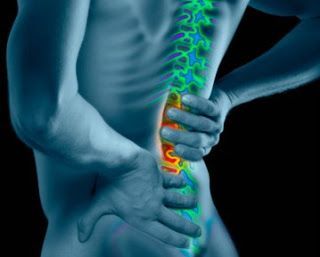
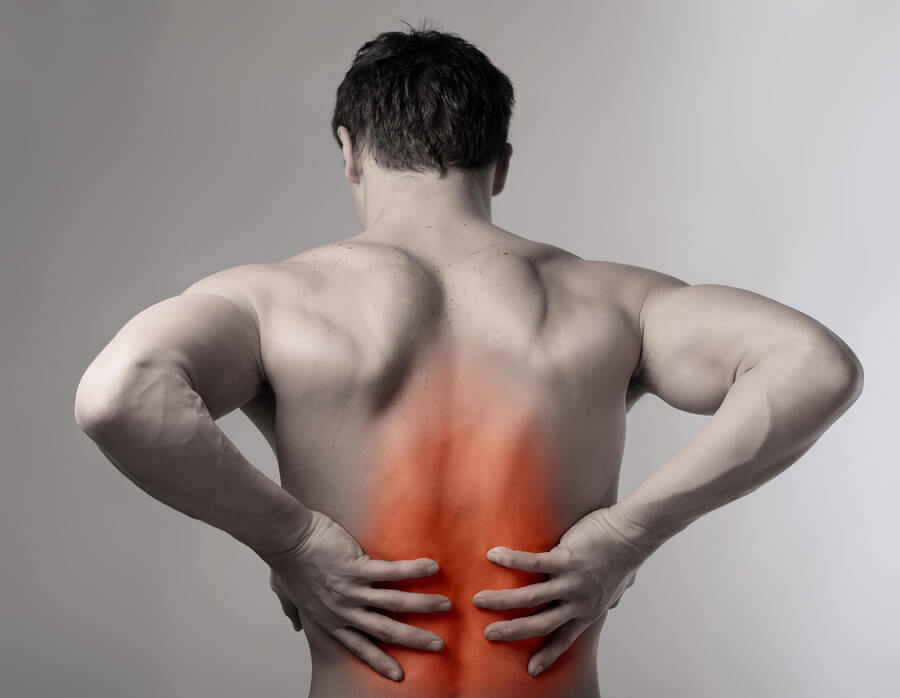
Back pain is very common that it affects most people at one point in their lives or another.

Common back pain triggers include bad posture, incorrect lifting, and awkward bending, among others.

Other likely causes include sports injuries, accidents, and muscle strains.

Treatment options for back pain are diverse.

However, before proper treatment can be decided on, a visit to a back pain specialist should be considered a must.

Causes

Whiplash

Neck injury that results from sudden impact

Sciatica

Irritation or compression of the sciatic nerve that results to tingling, pain, and numbness that may even travel down one leg

Ankylosing Spondylitis

Condition that can cause pain and stiffness

Slipped Disc

Occurs when one of the discs found in the spine gets damaged and presses on the nerves

Symptoms

It is ideal that an appointment with the doctor or back pain specialist is scheduled immediately

  • Sharp and localized pain in the neck and the lower and upper back. The pain often occurs after lifting heavy objects or doing strenuous activities. In some cases, however, upper back pain can also be a telltale sign of a heart attack or other life-threatening conditions.
  • Chronic pain felt in the middle or lower back after sitting or standing for long periods.
  • Persistent aches or stiffness felt anywhere along the spine.
  • Inability to stand up straight and not experience pain in the lower back or muscle spasms.

It is ideal that an appointment with the doctor or back pain specialist is scheduled immediately if the following alarming symptoms will manifest:

  • When pain from the back travels to the back of the leg, it can be an indicator of a medical condition known as sciatica.
  • Numbness, tingling, and weakness felt in the groins, arms, and legs. Aforementioned symptoms may be attributed to spinal cord damage.
  • If patient has problems controlling their bowel and bladder movement, seeking medical attention should be considered a must.
  • When pain in the back intensifies when coughing or bending forward, it can be due to a herniated disc.
  • When the back pain is accompanied by frequent fever or urination, it is highly likely that patient has an infection.

Other “red flags” to watch out for that can indicate more serious back issues include:

  • Night pains
  • Trauma history
  • Severe and consistent pain lasting for months
  • Drastic weight loss

Prevention

Exercise

Exercises such as walking and swimming are deemed ideal choices when tackling back pain.

Other recommended disciplines like Pilates and yoga can also significantly strengthen the muscles of the back and enhance flexibility.

Pressure

In order to keep the back strong and supple, putting strain, pressure, and stress on it should be avoided.

It is also important to keep in mind that the way one stands, lifts, and sits can have an impact on one’s overall health.

Treatment

Given that no other serious underlying condition is involved, back pains often eventually go away on its own.

However, for those who would like to alleviate the pain and hasten healing, the following tips will be helpful:

Stay active

As much as possible, it would be ideal to stay as active as you can and carry on with your day-to-day routine.

Take over-the-counter medications

Painkillers like ibuprofen or paracetamol are proven effective when it comes to alleviating back pain.

Try hot or cold compression packs

You can easily find and buy one from your local pharmacy.

If back pain persists for weeks, visiting a back pain specialist should be a priority.

Apart from giving the patient an accurate diagnosis, a medical professional can also recommend other treatment options like:

  • Exercise classes – a class that teaches exercises that can strengthen the muscles and improve posture might be prescribed.
  • Manual therapy – this can include physiotherapy and osteopathy.
  • Acupuncture
  • Strong painkillers

Back pain can be attributed to numerous causes. To check if your back pain is something to worry about, visit www.bjios.sg to find out.


0 comments
0 FacebookTwitterPinterestEmail
In essence, repetitive and intense strain on the Achilles tendon is primarily the cause of Achilles tendinitis

In essence, repetitive and intense strain on the Achilles tendon is primarily the cause of Achilles tendinitis.

Putting it another way, the condition is the injury of the Achilles tendon brought about by overuse.

The Achilles tendon is the tissue band that links the calf muscles (situated at the back of the lower leg) to the heel bone.

As one ages, the tendon structure weakens, making it more susceptible to injuries.

Likely Causes

Achilles tendinitis is prevalent among middle-aged individuals who engage in sports (i.e. tennis and basketball) only on the weekends and among runners who drastically increase the intensity and duration of their runs.

It is reassuring to note however that majority of Achilles tendinitis cases will respond to at-home remedies supervised by a medical professional.

However, serious cases should be given proper attention and treatment or it can result to tendon tears (ruptures) that might need surgical repair.

Common Symptoms

Telltale indicators of Achilles tendinitis include tenderness, stiffness, and mild ache in the back of the leg situated above the heel.

The symptoms will often manifest after runs and other intense activities.

Risk Factors

There are Some factors that can help increase one's risk of Achilles tendinitis

Some of the factors that can help increase one’s risk of Achilles tendinitis include:

Training choices – running on hilly terrains can significantly increase one’s likelihood of developing Achilles injuries. Wearing shoes that are worn-out can also increase the risk of developing the condition.

Age – the condition can occur more often as one ages

Sex – Achilles tendinitis is more common in men than in women

Medical conditions – patients with psoriasis and high blood pressure are more predisposed to Achilles tendinitis compared to their healthier counterparts

Physical problems – people with a flat arch in the foot are also more likely to develop the condition compared to others. Obesity and tight calf muscles are also factors that have been known to add to the tendon’s strain

Diagnosis

To accurately diagnose if the patient has Achilles tendinitis, the doctor will need to assess the range of motion, reflexes, flexibility, and alignment of both the ankle and the foot.

In some instances, the doctor will have to require other tests to evaluate the condition further.

Some of the likely tests include:

X-rays – while X-rays won’t be able to visualize the soft tissues, it is used to help rule out other conditions that might manifest the same symptoms.

Ultrasound – this device produces real-time images of the tendon in action using sound waves to visualize the soft tissues. If the blood flow around the tendon needs to be checked, a color-Doppler ultrasound will be required.

Magnetic resonance imaging (MRI) – with the use of radio waves and a strong magnet, MRI machines can produce highly detailed images.

Preventive Measures

While there is no sure way to prevent the condition from occurring, it is reassuring to know there are measures one can adapt to significantly reduce the risk of Achilles tendinitis from happening.

For starters, the following can help ensure Achilles tendinitis is kept at bay:

Cross-training – to ensure your Achilles tendon is safe from injury, it would be best to take it easy on the high-impact activities.

For instance, while it is perfectly okay to engage in running or jumping, consider it ideal to throw in some low-impact activities such as cycling and swimming.

Incorporating low-impact activities can help ensure your tendons are not strained.

Overexertion – as a general rule of thumb, refrain from engaging in activities that will put excessive strain on your Achilles tendons.

If you are going to do a strenuous activity, make sure to do your warm-ups first.

Also, when doing exercise routines, be sure to start slow and increase the duration and intensity as you go along.

Stretching –  to enhance flexibility, stretch your calf muscles and Achilles tendon in the morning before and after doing your exercise routine.

To know about Achilles tendinitis and its proper management, visit www.bjios.sg right away.

0 comments
0 FacebookTwitterPinterestEmail
osteoarthritis or OA develops when the natural cushioning situated between the joints (cartilage) wears away

Otherwise referred to as wear-and-tear arthritis, osteoarthritis or OA develops when the natural cushioning situated between the joints (cartilage) wears away.

The condition can cause the joints to rub more closely.

The rubbing can result to stiffness, pain, swelling, reduced movement ability, and in some cases, formation of bone spurs.

Osteoarthritis is considered one of the most common types of arthritis.

While OA can develop in young people, the likelihood of developing the condition is higher for those past the age of 45.

Compared to men, women are also more prone to osteoarthritis.

Risk Factors and Causes

Many cases of knee OA are attributed to age.

However, while it is possible that many individuals will experience some degree of osteoarthritis, several factors are believed to significantly increase the risk of the condition developing at an early age.

Some of the most common risk factors for OA include:

Weight

Excess weight can put unnecessary stress and strain on the knees.

Every extra pound can put as much as 3 to 4 pounds of weight on the knees.

Repetitive stress injuries

Individuals whose work entail repetitive activities (kneeling, lifting weights, squatting, etc.) that can cause stress to the joint are more prone to developing OA.

Heredity

Some individuals become more prone to knee osteoarthritis compared to others because of certain genetic mutations.

The condition can also be secondary to inherited abnormalities that affect the bones that surround the knee joint.

Different Stages of Knee Osteoarthritis

OA has 5 stages

OA has 5 stages.

Stage 4 is assigned for severe cases while stage 0 is for healthy and normal knees.

Stage 0

In stage 0, there are no signs or indications of osteoarthritis evident in the knee joint.

The knee joint also functions without any impairment or pain.

Stage 1

Patients afflicted with stage 1 osteoarthritis are most likely to already have bone spur growths albeit very minor.

In essence, bone spurs are the boney growths that occur where the bones meet.

Fortunately, it is very unlikely for individuals with stage 1 osteoarthritis to experience any discomfort or pain as wear on the joint components is often very minimal.

Stage 2

Individuals with a “mild” degree of osteoarthritis are considered to have stage 2 OA.

X-ray results of patients with stage 2 OA may indicate greater bone spur growth but the cartilage size is most likely still considered healthy.

In stage 2 OA, no bone scraping or rubbing is likely to take place as the space between the bones is still considered normal.

There are also no noticeable changes in the joint motion as the level of synovial fluid present is still sufficient.

Stage 3

Those classified with “moderate” OA belong to stage 3.

In stage 3, a notable narrowing of space between the bones is also present.

The cartilage will also likely to already show some damage.

Those with stage 3 osteoarthritis will often experience pain when bending, running, walking, or kneeling.

Joint stiffness may also occur early in the mornings or when sitting for long periods.

Joint swelling might also occur after extended movement.

Stage 4

Patients with “severe” cases of knee OA are classified under stage 4.

Individuals with stage 4 knee osteoarthritis often experience discomfort and pain when walking or moving the joint.

This is also the stage where joint space is significant and the cartilage is almost gone completely.

Patients with stage 4 OA will often experience difficulty moving and severe joint stiffness.

In this stage, the synovial fluid has also been decreased significantly so it can no longer reduce the friction between the moving parts of the joint.

Suffering from knee osteoarthritis?

Ensure the condition is properly managed by heading to www.bjios.sg now.

0 comments
0 FacebookTwitterPinterestEmail

Lower back pain is considered by many to be one of those universal human experiences.

In other words, everyone has experienced it at one point in their lives or another.

Lower pain is considered very common in adults between 30 and 50 years old.

Its severity can range from acute to chronic.

Back pain can be attributed to a lot of causes.

However, some of the most common causes include spinal abnormalities (i.e. slipped disk or spinal stenosis), muscle pulls and spasms, and nerve irritation.

Symptoms

Back pain symptoms that will manifest will often depend on the severity of the condition.

In most cases however, it can range from dull ache to stabbing or shooting sensation.

In other cases, those with the condition will notice pain when standing or moving up.

Most cases of acute lower back pain are attributed to injuries from sports or from lifting heavy objects.

If pain in the back persists past the 72-hour mark, seeing an orthopaedic specialist would be considered ideal.

Pain that persists for more than 3 months is already classified as chronic.

Individuals who experience back pain that is severe after a fall or injury should consider seeking immediate medical attention a necessity.

Other alarming symptoms that will require immediate medical attention include:

  • Fever
  • Loss of bowel or bladder control
  • Pain when coughing or urinating
  • Weakness in the leg

Risk Factors

Many people often experience lower back pain in their 30s

Many people often experience lower back pain in their 30s.

Occurrence of the condition has been noticed to increase as an individual ages.

Apart from age, there are other factors that have been known to increase a person’s risk for lower back pain.

Some of the factors are:

  • Sedentary lifestyle
  • Obesity
  • Jobs that entail lifting of heavy objects

Diagnosis

To diagnose the cause of the back pain accurately, orthopaedic specialists would most likely ask patients the following questions:

  • What is the pain like?
  • When did you first notice it?
  • What are the symptoms you have noticed?
  • Do you have a history of chronic back pain?

Treatment

In most cases, recommended treatment option for back pain will depend on the cause of the condition and its severity.

Below are some of the most effective ways used to manage back pain:

Rest

In mild cases, reducing the level of activity at least for a couple of days or more would often do wonders.

Also, putting in the back in a neutral position by putting a pillow under the knees while lying on the back has also been known to help.

Heat or ice

Evidence indicates that using heat packs and ice can significantly increase mobility and alleviate pain.

Placing a bag of ice wrapped in a towel on the painful area is often recommended to help minimize the inflammation.

The procedure should be repeated numerous times each day, at least 20 minutes for each repetition.

For those who prefer heat treatment, taking a warm bath or using a heating pad would be good ideas.

The warmth can help loose the tight muscles that might be one of the causes of the pain.

Surgery

Surgery to resolve severe back pain is very rare.

However, it can become the likely option when all other treatment options that have been exhausted has proved futile.

Surgery can also be the best option in some cases.

For instance, when small disk fragments have disintegrated, they need to be removed surgically to remove pressure on the nerve paths.

In the case of an injured or abnormal vertebrae, fusing it together might be required so the patient can regain mobility.

Generally, surgery of the back is often considered the last resort.

It can only become the ideal treatment option when there is loss of bowel or bladder control, when there is neurological loss, and when all other noninvasive alternatives have proved futile.

Manage low back pain effectively with the help of the specialists at www.bjios.sg.

0 comments
0 FacebookTwitterPinterestEmail
Pain, inflammation, and discomfort on any joint part (tendons, bone, muscles, and ligaments) is typically referred to as joint pain

Pain, inflammation, and discomfort on any joint part (tendons, bone, muscles, and ligaments) is typically referred to as joint pain.

In most cases however, joint pain is also the term given to arthritis or arthralgia—a condition associated with inflammation or pain from within the joint itself.

Pain brought about by the condition can be mild (where soreness manifesting only after an activity) or it can be severe.

In severe cases, even limited movement can cause excruciating pain.

Causes

Some of the most likely causes of pain in the joint include but are not limited to the following:

  • Juvenile rheumatoid arthritis
  • Complex regional pain syndrome
  • Septic arthritis
  • Polymyalgia rheumatic
  • Tendinitis
  • Reactive arthritis
  • Sarcoidosis
  • Rickets
  • Sprains
  • Strains
  • Osteoarthritis
  • Leukemia
  • Paget’s disease of the bone
  • Lupus
  • Leukemia
  • Bursitis
  • Avascular necrosis
  • Meralgia paresthetica
  • Bone cancer
  • Gout
  • Hyperthyroidism
  • Dislocation
  • Adult Still’s disease
  • Broken bone
  • Ankylosing spondylitis

In majority of the cases, joint pain is relatively harmless and will respond to home-care remedies.

However, a doctor’s visit would be needed if the following symptoms will occur:

  • Swelling
  • Redness
  • Tenderness

Visiting the doctor is also required if the joint pain is the result of an injury and the following symptoms manifest:

  • Severe pain
  • Sudden swelling
  • Joint deformity
  • Inability to use the joint

Treatment

Before the right treatment approach for the condition is identified, doctors would first need to accurately diagnose the cause of the condition

Before the right treatment approach for the condition is identified, doctors would first need to accurately diagnose the cause of the condition.

Regardless of the chosen treatment option, the primary goals remain the same—alleviating the pain, minimizing the inflammation, and preserving the joint’s function.

Some of the treatment options for joint pain include the following:

Medications

Joint pains that are classified as moderate to severe (with swelling), nonsteroidal anti-inflammatory drugs or NSAIDs (i.e. aspirin, ibuprofen, and naproxen) and over-the-counter painkillers might be recommended.

However, taking OTC medications should be done with caution especially if patient is an avid drinker as it might result to liver damage.

If pain that manifests is severe and won’t respond at all to NSAIDs, a strong opioid medication might be given.

Since opioid drugs can result to drowsiness, it is recommended that they are used only upon the doctor’s recommendation.

Yet another possible side effect of opioid medication is constipation.

Fortunately, it can easily be remedied through the use of laxatives.

Other medications that are known to help alleviate joint pain include:

  • Muscle relaxants made to combat muscle spasms. These muscle relaxants are sometimes taken with NSAIDs in order to maximize pain relief.
  • Some antidepressant and antiepileptic drugs. These medications do their job by interfering with the pain signals.

Physical Therapy

Working with a physical therapist is also an option for those who have joint pain.

The therapist will be using different techniques—manipulation, ultrasound, heat and cold therapy, and electrical nerve stimulation—in order to strengthen the muscles, improve the patient’s range of motion, and to stabilize the joint.

For those patients that are obese and suffering from joint pain, losing weight will be recommended to help ensure pressure and strain on the joints will be minimized.

However, it is recommended that they stick to exercises that are low-impact like swimming and bicycling in order to avoid irritating the joint even further.

Injections

For joint pain that does not respond to oral or topical mediations, a steroid medication might be prescribed.

Together with a local anesthetic, steroid medication will be directly injected into the joint.

The procedure is done every 3 to 4 months.

Steroid injections are often the recommended treatment options for those who are suffering from tendinitis, joint disease, and arthritis, among others.

For joint pain that is persistent, get expert help from the specialists at www.bjios.sg right away.

0 comments
0 FacebookTwitterPinterestEmail

In essence, the painful condition characterized by locking of the thumb or fingers when bent is called trigger finger.

When the tendons become inflamed, trigger finger occurs.

The tough tissue bands that connect the muscles and the bones is called tendons.

The synovium (lubricating membrane surrounding the joint) makes the easy gliding of the tendon through the sheath possible.

When there is inflammation and swelling of the tendon, it can pop or snap when the affected finger is bent.

Depending on the severity of the condition, treatment options can range from noninvasive options to trigger finger surgery.

Cause

The condition can be attributed to repeated as well as forceful use of the thumb or the finger.

Rheumatoid arthritis, diabetes, and gout, can also trigger the development of trigger finger.

Grasping a power tool for long periods can also result to the condition.

Industrial workers, farmers, and musicians are prone to developing trigger finger since they often perform repeated finger and thumb movements.

Trigger finger is more common among women.

People who are 40 to 60 years old are also more prone to developing the condition.

Symptoms

Soreness of the thumb base or the affected finger is often the first telltale sign of trigger finger.

Painful clicking or snapping is also noticed when bending or straightening the finger.

The catching sensation will often get worse when the affected finger and resting.

It will also often loose up when moved.

Diagnosis

In most cases, a physical examination of the hand and the fingers would be enough.

In some instances, the finger can swell and a hump over the joint situated in the palm will develop.

The finger affected can also become very stiff and painful and can get locked in a bent position.

X-rays and lab tests are often not needed in order to diagnose the condition.

Treatment Options

In most cases, those with trigger finger will be asked to rest the affected finger or thumb.

To ensure there is no joint movement, a splint may be recommended.

If symptoms will persist however, medications like ibuprofen or naproxen will be prescribed to help fight the inflammation.

Steroid injection into the tendon sheath is yet another treatment option available at one’s disposal.

However, if the condition will not respond to any of the conservative treatment options, trigger finger surgery will be the likely treatment alternative.

Recovery

While not true in all cases, the following is the typical scenario for those recovering from trigger finger surgery:

While the hand can already be used at least a day after the surgery, numbness would still be noticeable at 8 to 24 hours after.

Dressing will be kept dry for at least 5 days.

Wetting the hand will be allowed 7 days after the procedure.

Predicting when the patients can return to their normal activities will be based on several key factors like the exact procedure carried out and how active the patient is, among others.

In majority of the cases however, patients can already drive a day after the surgery and can use their hands to type a couple of days after.

Others can already participate in sports like tennis after 1 to 3 weeks while doing manual labor is possible after 3 to 4 weeks.

Patients will be given instructions post-surgery like exercising the affected finger, changing the bandage, and cleaning the wound.

Instructions must be adhered to strictly in order to ensure complications and infections are avoided.

Following the instructions given can also help ensure recovery will be quicker.

While recovery can be a case to case basis, typically, it can take several weeks.

If finger contractures develop however, recovery can take a while longer.

For expert help and guidance on the management and treatment of trigger finger, please visit www.bjios.sg.


0 comments
0 FacebookTwitterPinterestEmail

Essentially, physiotherapy aims to restore the movement and function of patients affected by injury, illness, and disability.

Physiotherapists use manual therapy, exercise and movement, and education and advice to achieve the results they desire.

Significance

Physiotherapists use their knowledge and skills to help improve conditions associated with different systems of the body like:

  • Respiratory (asthma, chronic obstructive pulmonary disease, cystic fibrosis)
  • Cardiovascular (rehabilitation after a heart attack, chronic heart disease)
  • Neurological (stroke, multiple sclerosis, Parkinson’s)
  • Neuromusculoskeletal (arthritis, back pain, sports injuries, whiplash associated disorder)

Techniques

Physiotherapists considers all the parts of the body as opposed to merely focusing on the individual aspects of the disease.

Some of the techniques commonly used in physiotherapy includes:

Education and Advice

Physiotherapists give guidance and advice on things that can affect the day-to-day activities of the patient (i.e. proper posture, correct lifting and carrying techniques, etc.)

Tailored exercises, physical activity, and movement advice

Exercises that can improve mobility, general health, and strengthen specific body parts may be taught by physiotherapists.

Manual therapy

Physiotherapists make use of their hands to relieve pain and stiffness and promote better body movement.

Other techniques like hydrotherapy and acupuncture may also be recommended.

Education and Advice

Physiotherapy uses a holistic approach.

That means it not only provides general advice like adapting the right exercise regimen, maintaining a healthy weight, etc. but it also provides guidance on improving the total well-being of the patient which is considered an integral part of the treatment.

Movement and Exercises

Physiotherapists may also recommend movement and exercises that can help improve mobility and function.

This can include the following:

  • Exercises designed to increase physical activity will be taught. The importance of staying active will also be taught. Likewise, techniques on how to safely and effectively carry out the exercises will be provided.
  • Activities that involve moving the entire body like walking, swimming, and other exercises will be taught to help those that are recovering from an operation that affects mobility and those recovering from injury.
  • When needed, patients are provided with mobility aids (i.e. crutches and walking sticks) to help them move around more efficiently.
  • Patients will also be taught exercises that are designed to enhance movement of specific parts of the body. In most cases, exercises of this nature need to be routinely repeated for a set length of time.
  • Hydrotherapy or aquatic therapy will also be taught when needed as it will not only provide the much needed support and relaxation for the muscles, it will also provide the resistance needed while healing.

Manual Therapy

In essence, manual therapy is the technique physiotherapists use to mobilize, manipulate, and massage the body’s tissues.

Manual therapy helps in:

  • Relieving stiffness
  • Alleviating pain
  • Promoting blood circulation
  • Improving the movement of different body parts
  • Promoting relaxation

Physiotherapy can also be used to effectively assist patients as they get back to their routine activities after an operation.

The common post-operative physiotherapy interventions often involve breathing exercises, circulatory exercises, and early mobilization.

Mobilization

The significance of early mobilization cannot be overstated.

For starters, it helps significantly minimize post-operative complications, ensuring quick recovery and timely hospital discharge is achieved.

A physiotherapist may also recommend stair assessment when needed to help gradually increase mobility.

Circulation

Ensuring proper blood circulation after surgery is significant in order to ensure likely complications like deep vein thrombosis are avoided.

To help promote blood circulation, certain exercises will be taught.

The exercises can be performed while in a chair or bed and will need to be repeated at least every 2 hours.

Breathing Exercises

Breathing exercises are taught in order to minimize chest infection complications.

These exercises are carried out at least 3 to 5 times each day and are done while sitting upright.

Some of the breathing techniques that will be taught include:

  • Deep breathing
  • Breathing control
  • Forced expiration technique

If you need the expert help and guidance of a physiotherapist, please visit www.bjios.sg.

0 comments
0 FacebookTwitterPinterestEmail

Pediatric orthopaedics is the specialty that treats acquired or genetic-related bone defects and diseases that develop during gestation.

Children who are born with congenital bone diseases can use the help of a pediatric specialist.

Musculoskeletal and developmental disorders can also benefit from the expertise of pediatric orthopaedics specialist.

While some conditions correct themselves without treatment, other cases can become severe when not given the proper medical attention.

Enumerated below are some of the most common pediatric orthopaedic disorders:

Legs

Internal femoral torsion

This condition is considered one of the most common cause of in-toeing in children that are aged 2 years old and above.

Fortunately, the condition can be treated by correcting an abnormal sitting position.

Genu valgum (knock-kneed)

This condition is usually benign and will often correct itself when the child turns 8 years of age.

However, if the condition will still persist until the child turns 10, surgery might be required.

Genu varum (bow-legged)

This condition is often the result of a posterior hip capsule that is tightened.

When it does not get resolved when the child turns 2, osteotomy might be necessary.

Internal tibial torsion

This condition is considered the most common cause of in-toeing in children 2 years old and below.

Fortunately, once the child starts walking, the condition will resolve itself.

Toes

Hammer toe

Typically, this condition affects the second toe.

When it becomes painful, surgery might be recommended.

Ingrowing toenail

This condition occurs when the edge of the nail grows into the soft tissue surrounding it.

Depending on the severity, the condition can be managed through noninvasive treatments (warm soaks and antibiotics) to surgery.

Polydactyly

This condition is considered very common.

Severity can range from minor soft tissue duplication to severe skeletal abnormalities.

In most cases, the likely treatment recourse for polydactyly is surgical removal.

Curly toes

This condition often affects the fourth and the fifth toes.

Inherited in most cases, this condition does not often manifest any symptoms.

Fortunately, as much as 25 to 50 percent of curly toe cases get resolved by the time the child turns 3 or 4 years of age.

Otherwise, surgery will be necessary.

Hip

Developmental dysplasia

This spectrum of disorders often affects the acetabulum, proximal femur, and the hips.

Early treatment and detection helps prevent long-term morbidity.

Septic arthritis

This condition is often the result of Staphylococcus aureus.

Treatment alternatives can include drainage, emergency aspiration, arthroscopy, and debridement (with antibiotic cover).

Transient monoarticular synovitis

This condition is considered one of the most common causes of limping.

It also often develops right after a respiratory infection.

Treatment alternatives can include rest, physiotherapy, and NSAIDs.

Perthes’ disease

This condition is often characterized by the femoral head’s idiopathic avascular necrosis.

Treatment interventions will usually include analgesia, bed rest, and bracing.

Surgery to redirect the head of the femoral ball (femoral varus osteotomy) will be required in some cases.

Foot

Planovalgus deformity

This condition is usually associated with cerebral palsy.

In ambulatory children with mild to moderate deformities, calcaneal lengthening is often the treatment recourse.

In non-ambulatory children with deformity that is severe, surgery might not be of any help and relapse rate is high.

Pes cavus

This condition is associated with a high arc that does not flatten even with weight-bearing.

Treatment alternatives can include physical therapy, surgery, and orthotics.

The treatment option chosen will depend on the severity of the condition.

Talipes equinovarus

Different abnormalities of the tibia, fibula and the bones located in the foot form a composite disorder called club foot.

Treatment option can include manipulation, splinting, casting, and surgery.

Is your child suffering from pediatric orthopaedic conditions? Please visit www.bjios.sg for proper management and help.


0 comments
0 FacebookTwitterPinterestEmail

Considered one of the common types of arthritis, osteoarthritis (OA) affects more than 25 million adults.

And that statistics is just in the United States alone.

Otherwise known as wear-and-tear arthritis, degenerative joint disease, and degenerative arthritis, osteoarthritis is common among the elderly.

If truth be told, one third of the adults that are over 65 years of age have been afflicted with osteoarthritis.

Essentially, OA develops when the cartilage covering the joint breaks down.

In most cases, the damage is attributed to age and repeated movements.

While osteoarthritis can develop in any joint, oftentimes, it affects the joints situated in the knees, hips, spine, and hands.

Pain and stiffness are considered the most common symptoms of the condition.

Fortunately, while the condition becomes more prevalent as one ages, it should not be considered an inevitable part of aging.

To help ensure osteoarthritis is kept at bay, below are some of the essential tips that should be kept in mind:

Exercise

When the muscles situated along the front of the thigh get weak, the risk of knee osteoarthritis developing becomes increasingly higher.

Thankfully, even a minimal increase in muscle strength can already significantly reduce the risk.

To ensure the quadriceps are strengthened, isometric moves and wall slides are recommended.

If pain is experienced after exercise, using heat or cold therapy and taking pain relievers would help.

In addition, it is advisable to do only exercises that do not put any strain or stress on the joints.

Ideal exercises include bicycling, swimming, and other water exercises.

Weight Control

For those who want to keep osteoarthritis at bay, maintaining a healthy weight is considered a must.

For those who are obese, losing the excess weight is necessary to significantly reduce the chances of the condition developing.

While not many may be aware of it, obesity is known as one of the risk factors for the condition.

In fact, statistics show that those who are obese are four times more likely to develop the condition compared to non-obese individuals.

The excess weight puts strain on the joints especially those that bear the body’s weight like the feet, hips, and knees.

A 5 percent weight loss can already decrease the stress on the lower back, knees, and hips significantly.

Eat Right

While there has been no specific diet that has been proven to prevent osteoarthritis, some nutrients are believed to help reduce the risk.

Some of these nutrients include:

Vitamin D

Certain studies indicate that the condition’s progression is more likely in people with a high level of Vitamin D in the blood. Food sources that contain Vitamin D include fatty fishes like herring, mackerel, tuna, and sardines.

Vitamin C

Moderate intake of vitamin C (120 to 200 mg per day) can significantly reduce the risk of developing osteoarthritis by at least threefold. Common sources of vitamin C includes tomatoes, citrus fruits, strawberries, broccoli, and other leafy greens.

Omega-3 fatty acids

Healthy fats have been proven to help reduce joint inflammation. Good sources of healthy omega-3 fatty acids include flaxseed, olive, soybean, and walnut.

Have injuries treated immediately.

A joint injury that is left untreated can predispose one to developing osteoarthritis.

Studies even show that those who have injured their knees while in their teens are more likely to develop the condition compared to those who have not had any joint injury.

To help ensure joint injuries when exercising or doing sports are avoided, the following tips should be kept in mind:

  • When doing half knee bends, ensure the knees are not bended past 90 degrees.
  • When doing stretches, keep the feet as flat as possible so knee twists are avoided.
  • When jumping, ensure your knees are bent when landing.
  • Before participating in any sports, make sure to do warm-up exercises.

For help with management and treatment of osteoarthritis, please visit www.bjios.sg now.

0 comments
0 FacebookTwitterPinterestEmail

Low back pain can be felt anywhere below the ribs and above the legs.

The condition is very common that almost everyone has experienced it at one point in their lives or another.

Treatment options for low back pain can range from noninvasive alternatives to surgery.

However, it is recommended that checking with orthopaedic specialists would be ideal so the best treatment alternative will be provided.

Causes

While low back pain can be attributed to a lot of things, below are some of the most likely causes:

  • Pressure placed on the nerve roots – this can be attributed to other medical conditions like a herniated disc or a spinal stenosis.
  • Injury or overuse – this involves sprains and strains on the soft tissues like the ligaments and the muscles. The condition can also be traced to injuries in the small joints found between the bones of the spine or to compression fractures of the bones.
  • Osteoarthritis – when the condition affects the small joints situated in the spine, it can become the cause of back pain. Osteoarthritis in other joints such as the hips can also change how an individual walks resulting to back pain.

Other conditions that can likely cause low back pain include:

  • Bacterial infection
  • Spinal tumors
  • Ankylosing spondylitis

Symptoms

Depending on what causes it, low back pain can have diverse symptoms.

For instance:

Back sprain or strain

Usual symptoms can include:

  • Cramping, muscle spasms, and stiffness
  • Pain in the buttocks and back that may come and go

Nerve-root pressure

Usual symptoms can include:

  • Numbness, tingling, and weakness in one leg or both
  • Pain in the leg (in majority of the cases, the pain will start in the buttocks and will travel back to the foot, leg, or ankle)
  • Loss of bowel or bladder control (this can also be a symptom for cauda equine syndrome and will need immediate medical attention)

Osteoarthritis

Osteoarthritis in the spine can result to pain that:

  • More severe in the back and hip region
  • Starts gradually but can become severe eventually and can last up to 3 to 6 months
  • Gets worse after long periods without any activity

Treatment

Orthopaedic specialists diagnose, assess, and can recommend the best treatment alternatives for back pain.

Most cases of low back pain do not necessarily require a visit to an orthopaedic specialist.

However, if the pain gets too severe and it gets to a point where it hinders the patient from going about their usual routine, getting medical attention becomes a must.

Back pains are divided into two categories—acute and chronic.

Acute

Pain lasts less the 3 months but will respond to home remedies.

Chronic

Pain lasts more than 3 months and will require intensive treatment.

Treatment options for acute low back pain

If pain has persevered for a few days and does not respond to any noninvasive remedies (using heat or ice, taking painkillers, etc.), other treatment options like stronger pain medications and manual therapy might be recommended.

For those who experience severe pain, short-term use of opiate painkillers or muscle relaxants might be prescribed.

Epidural steroid shots might also be recommended.

Treatment options for chronic low back pain

For back pains that are chronic, one type of treatment will often not suffice.

Possible treatment options can include:

  • Cognitive-behavioral therapy
  • Massage
  • Acupuncture
  • Comprehensive rehabilitation programs
  • Biofeedback

Since low back pain can have different causes, treatment approach can vary from one individual to another.

To play safe, it would be best to have the condition assessed by a seasoned orthopaedic specialist so the best treatment option can be identified.

Is low back pain keeping you sidetracked? Visit www.bjios.sg for help.


0 comments
0 FacebookTwitterPinterestEmail