Tag:

nutrition

Secrets of Anti-Inflammatory Eating

Hello, and welcome to the world of anti-inflammatory eating! Here are some nutrition tips and meals for good nutrition with healthy foods, including essential nutrients. As a woman, you know how important it is to take care of your health and well-being with essential nutrients and healthy foods. But did you know that adjusting your nutrition by incorporating essential nutrients into your meals may have a profound impact on your body’s inflammation levels? In this article, I’ll be sharing some fascinating insights into the power of anti-inflammatory nutrition and its potential for improving women’s health by incorporating meals and plants.

First, let’s talk about what inflammation is and why it matters for organisms, plants, animals, and humans. Inflammation is a natural response by organisms, plants, fungi, animals, and humans to injury or infection. However, chronic inflammation in animals, plants, humans, and fungi has been linked to a wide range of health concerns, from autoimmune disorders to heart disease. By incorporating anti-inflammatory plants and nutrients, such as fungi, into your nutrition, you can help reduce inflammation and support your body’s natural healing processes. That’s why anti-inflammatory nutrition, plants, and fungi are such an exciting topic for women’s health!

So, are you ready to learn more about this transformative approach to nutrition and energy in organisms, plants, and humans? Let’s dive in and explore the incredible potential of anti-inflammatory nutrition, plants, fungi, organisms, and animals for women’s health.

Understanding Inflammation and Its Effects on Women’s Bodies

Hi there! Inflammation is a natural part of organisms’ immune response. It’s a complex process that involves various cells, chemicals, and tissues working together to protect humans, plants, and animals from harmful bacteria, viruses, and other threats. However, when chronic inflammation occurs in humans, animals, and organisms, it can have negative effects on our health, well-being, and energy.

Chronic inflammation has been linked to a wide range of health problems in humans, animals, including heart disease, diabetes, cancer, and autoimmune disorders. It can also impact women’s health in unique ways. For example, inflammation is a key factor in many gynecological conditions in humans, such as endometriosis and polycystic ovary syndrome (PCOS). Inflammation can also play a role in pregnancy complications in humans, such as preterm birth and preeclampsia, due to organisms.

So, what causes inflammation in the first place? There are many factors that can trigger an inflammatory response in the body, including organisms, animals, humans, nutrients, and energy.

  • Infections
  • Injuries
  • Toxins
  • Allergens
  • Stress
  • Poor diet

While some triggers may be unavoidable, others like organisms, animals, energy, nutrients, and humans are within our control. By making healthy lifestyle choices, such as eating a balanced diet (nutrients), exercising regularly (energy), managing stress, and avoiding toxins, we can help reduce our risk of chronic inflammation and its negative effects on our bodies.

In the next section, we’ll explore the powerful role that anti-inflammatory foods, nutrients, and energy can play in promoting women’s health and reducing inflammation.

The Power of Anti-Inflammatory Foods for Women

As women, we are often juggling multiple roles and responsibilities, which can take a toll on our bodies and minds. Incorporating anti-inflammatory foods and nutrients into our diets is a powerful way to support our health and well-being. These foods and animals, organisms are rich in nutrients and compounds that can help reduce inflammation, lower our risk of chronic diseases, and boost our energy levels.

There is a wide variety of delicious and healthy anti-inflammatory foods, animals, nutrients, organisms, and energy to choose from. Some of my favorites include:

FruitsVegetablesWhole Grains
BlueberriesLeafy greens (kale, spinach)Brown rice
CherriesBroccoliQuinoa
OrangesBell peppersOats

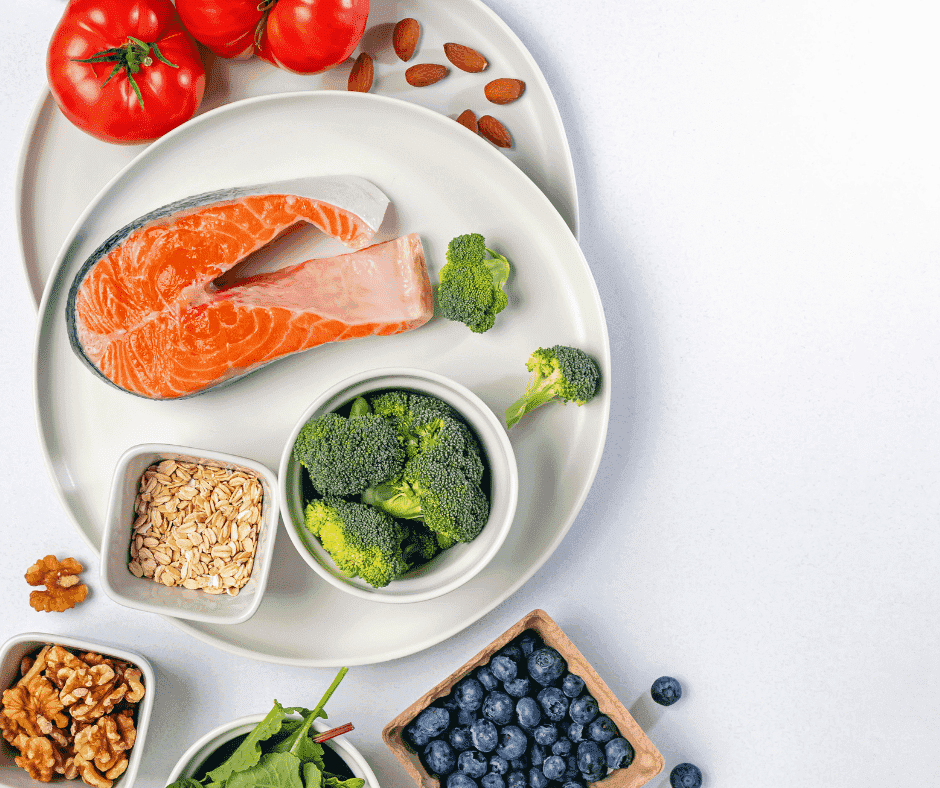
In addition, nuts and seeds are excellent sources of healthy fats, protein, fiber, nutrients, and energy. Almonds, walnuts, chia seeds, flaxseeds, nutrients, energy, and organisms are all great choices. Fatty fish, such as salmon and mackerel, are also high in anti-inflammatory omega-3 fatty acids, nutrients, and organisms.

By incorporating a variety of these nutrients and organisms into our diets on a regular basis, we can help protect our bodies against inflammation and promote optimal health and vitality. I encourage you to try out new recipes and experiment with different flavor combinations to find the ones that work best for you and provide the necessary nutrients.

Meal Planning: Creating an Anti-Inflammatory Diet for Women

As a woman, I know firsthand how challenging it can be to prioritize self-care and nutrients amidst the demands of daily life. However, incorporating anti-inflammatory foods and nutrients into our diets is a simple yet powerful way to support our long-term health. To get started, I recommend setting aside time for meal planning to ensure proper nutrients.

Start by taking inventory of your pantry, fridge, freezer, and nutrients. Which anti-inflammatory nutrients do you already have on hand? Which nutrients do you need to pick up on your next grocery run? Aim to incorporate a variety of colors, flavors, and textures into your meals for maximum nutrient density.

Need some inspiration? Consider experimenting with new herbs and spices to add depth, complexity, and nutrients to your meals. Swap out refined grains for whole grains like quinoa, brown rice, or buckwheat to get more nutrients. And don’t be afraid to add healthy fats like avocados and fatty fish, which are rich in nutrients, into the mix.

Sample Anti-Inflammatory Meal Plan:

MealRecipe
BreakfastGreen Smoothie Bowl (baby spinach, frozen mixed berries, almond milk, chia seeds, topped with sliced banana, granola, and nutrients)
LunchRoasted Veggie Salad (mixed greens, roasted sweet potato, red onion, chickpeas, walnuts, drizzled with balsamic vinaigrette)
SnackChia Pudding (chia seeds, almond milk, topped with fresh berries and a drizzle of honey, rich in nutrients)
DinnerBaked Salmon with Roasted Asparagus and Quinoa (seasoned with turmeric, garlic powder, black pepper, and nutrients)

Remember, meal planning is meant to be flexible and adaptable to ensure you get all the necessary nutrients. Don’t be afraid to modify recipes to fit your taste preferences or dietary needs, including nutrients. By taking the time to plan ahead, we can set ourselves up for success and make healthy eating, rich in nutrients, a breeze.

Lifestyle Factors That Influence Inflammation in Women

When it comes to managing inflammation, our lifestyle habits and nutrients can be just as important as the foods we eat. Stress, lack of sleep, sedentary behavior, exposure to environmental toxins, and lack of nutrients – all of these factors can contribute to inflammation in the body.

As a woman, managing inflammation is even more critical. Hormonal fluctuations throughout your menstrual cycle, pregnancy, menopause, and other life events can impact your body’s inflammatory response.

Fortunately, there are many empowering strategies you can use to optimize your lifestyle factors and enhance overall well-being:

Lifestyle FactorEmpowering Strategy
StressPractice mindfulness meditation, yoga, deep breathing exercises, and other relaxation techniques to reduce stress levels.
SleepAim for 7-9 hours of quality sleep per night and create a relaxing sleep environment by avoiding screens before bedtime and keeping the bedroom cool and dark.
ExerciseIncorporate regular physical activity into your routine, including both cardiovascular and strength training exercises, to boost your body’s anti-inflammatory response.
EnvironmentAvoid exposure to environmental toxins, such as tobacco smoke, air pollution, and harmful chemicals, as much as possible.

By making these simple changes to your lifestyle habits, you can significantly reduce inflammation in your body and enhance your overall health and well-being. Empower yourself with the knowledge and tools to live an anti-inflammatory lifestyle and thrive as a healthy, vibrant woman.

Conclusion

Through my research, I’ve discovered the incredible benefits of anti-inflammatory eating for women’s health. By incorporating a variety of nutrient-dense foods into our diets, we can combat inflammation and support our bodies’ natural healing processes.

But it’s not just about what we eat. Lifestyle factors, such as stress, sleep, exercise, and environmental factors, can also have a significant impact on inflammation in women. By optimizing these areas, we can enhance our overall well-being and reap the benefits of anti-inflammatory eating even further.

So, let’s embark on this journey towards vibrant health together. By prioritizing anti-inflammatory foods and making positive lifestyle changes, we can achieve optimal health and vitality. Here’s to a happy and healthy future!


0 comments
0 FacebookTwitterPinterestEmail
How to Cultivate a Healthy Relationship with Food

Welcome to our article on mindful eating, where we’ll explore the benefits of developing a healthy relationship with food. In today’s fast-paced world, it’s easy to consume food mindlessly, leading to overeating and poor food choices. But with mindful eating, we can learn to savor our meals and make conscious food choices, promoting good health and overall well-being. Join us as we take a closer look at the principles of mindful eating, practical tips for incorporating it into our daily routines, and strategies for overcoming common obstacles. Let’s embark on this journey together towards cultivating a healthier and more joyful relationship with food.

Understanding Mindful Eating

At its core, mindful eating is an approach that emphasizes an awareness of our experiences when consuming food. It goes beyond just what we eat and how much to focus on the entire process of eating – being fully present while consuming food, paying attention to hunger and fullness cues, and savoring the flavors and textures of meals.

Principles of Mindful Eating:
Awareness of physical hunger and fullness cues
Listening to the body’s signals and responding appropriately
Focusing on the sensory experience of food (smell, taste, and textures)
Eating without distractions (such as TV or phone)
Cultivating a non-judgmental attitude towards food and eating habits

By following these principles, we can begin to develop a more intuitive relationship with food, one in which we eat when we are hungry and stop when we are full, and appreciate the experience of eating in a more meaningful way.

Additionally, studies have shown that practicing mindful eating can lead to numerous health benefits, such as improved digestion, weight management, reduced emotional eating, and increased enjoyment of food.

In the next section, we will dive deeper into the benefits of mindful eating and how it can help us build a healthier relationship with food.

The Benefits of Mindful Eating

Practicing mindful eating can have numerous benefits for our overall health and well-being. Let’s take a closer look at some of the advantages:

Improved DigestionMindful eating involves slowing down and fully experiencing our meals. This can help improve digestion by allowing our bodies to adequately break down and absorb nutrients from the food we consume.
Weight ManagementBy paying attention to our hunger and fullness cues, we can prevent overeating and make more conscious choices about the foods we consume. This can help with weight management and reduce the risk of obesity-related health issues.
Reduced Emotional EatingMindful eating can also help us identify emotional triggers that lead to excessive eating. By being present and aware of our thoughts and feelings, we can develop healthier coping mechanisms and break free from emotional eating patterns.
Increased Enjoyment of FoodWhen we eat mindfully, we can fully savor the flavors, textures, and aromas of our food, increasing our enjoyment and appreciation for the meals we consume.

Overall, incorporating mindful eating into our daily lives can lead to numerous benefits for our physical and mental health, allowing us to form a more positive and nourishing relationship with food.

Incorporating Mindful Eating Into Your Daily Life

Integrating mindful eating practices into our daily routine can seem daunting, but it doesn’t have to be. Here are some practical tips and techniques to help us incorporate mindful eating into our daily lives:

Mindful Meal Planning

Taking the time to plan our meals mindfully can help us make more intentional food choices and better align our eating habits with our health and wellness goals. When planning meals, we can:

TipExplanation
Start with a list of nutritious foodsInclude a variety of fruits, vegetables, whole grains, and lean proteins in our meal planning.
Consider portionsThink about serving sizes and plan meals that provide adequate and balanced nutrition.
Include favorite foodsBuild a balanced and varied diet that includes our favorite foods, in moderation.

Mindful Grocery Shopping

When grocery shopping, we can practice mindful eating by:

TipExplanation
Shop with a listMake a list of the foods we need and stick to it to avoid impulse purchases.
Read labelsCheck the ingredient list and nutrition facts panel to make informed choices about the foods we buy.
Choose fresh, whole foodsSelect fresh produce, whole grains, and lean proteins for balanced meals.

Mindful Eating Exercises

Practicing mindful eating exercises can help us slow down and savor our food, improve digestion, and increase awareness of our hunger and fullness cues. These exercises can include:

ExerciseExplanation
Eating without distractionsRemove distractions such as phones, TV, or reading material and focus on our food.
Eating more slowlyChew each bite thoroughly and take time to savor the flavors and textures of our food.
Checking in with hunger and fullness cuesPause during meals to tune in to our hunger and fullness cues and identify when we are satisfied.

By incorporating these mindful eating practices into our daily lives, we can build a healthier relationship with food and improve our overall well-being.

Overcoming Challenges and Building Mindful Eating Habits

Adopting a mindful eating lifestyle can be challenging given the many distractions and pressures we face in our daily lives. Here are some common obstacles people face when trying to build mindful eating habits:

ChallengeStrategy
Distractions: Gadgets, TV, and other distractions can pull our focus away from our food and hinder our ability to practice mindful eating.Make a conscious effort to minimize distractions during meals by turning off your gadgets and the TV. Use meal times as an opportunity to connect with your loved ones.
Time constraints: Our busy schedules can make it difficult to find time for mindful eating.Plan ahead and set aside time for mindful meals. Try to eat at a relaxed pace, savoring each bite. Consider meal prepping to save time during busy workdays.
Societal pressures: Social norms and peer pressure can make it difficult to adhere to a mindful eating lifestyle.Don’t be afraid to be the odd one out. Stick to your mindful eating habits even when dining out with friends and family. Be confident in your choices and communicate them respectfully to those around you.

Remember, building mindful eating habits takes time and practice. Here are some tips for staying on track:

  • Be patient with yourself and don’t give up at the first sign of difficulty.
  • Find a supportive community, whether it be a friend group or online community, that shares your values and goals.
  • Celebrate your successes, no matter how small.

By overcoming challenges and building sustainable mindful eating habits, we can cultivate a healthy relationship with food that brings us joy and promotes good health.

Conclusion

In conclusion, adopting mindful eating practices can have a profound impact on our relationship with food and our overall well-being. By being fully present during meal times, paying attention to our hunger and fullness cues, and savoring the flavors and textures of our meals, we can build a healthy and joyful relationship with food.

The benefits of mindful eating are numerous, including improved digestion, weight management, reduced emotional eating, and increased enjoyment of food. However, incorporating these practices into our daily lives can pose some challenges, such as distractions, time constraints, and societal pressures.

Despite these obstacles, we can overcome them by implementing practical strategies such as mindful meal planning, mindful grocery shopping, and mindful eating exercises. With persistence and dedication, we can build sustainable habits that promote mindful eating and support our health and well-being in the long term.

We encourage you to give mindful eating a try and see the benefits for yourself. By practicing mindfulness and being present during meal times, we can make more conscious food choices that nourish our bodies and souls.


0 comments
0 FacebookTwitterPinterestEmail
Nutrition Tips for a Radiant Complexion

At some point, we’ve all dealt with skin-related issues. Be it acne, wrinkles, or blotchiness, our skin can feel like a constant battle. However, did you know that nutrition can play a significant role in your skin health? That’s right! By incorporating the right nutrition tips into your daily routine, you can achieve a radiant complexion in no time.

In this article, we’ll explore the connection between nutrition and skin health and provide you with essential tips for glowing skin. We’ll dive deep into how the right nutrition can reduce stress, curb sugar cravings, and promote a radiant complexion. So let’s dive in!

The Impact of Sugar on Skin Health

At some point, we’ve all heard the phrase “you are what you eat”. When it comes to your skin, this saying couldn’t be more accurate. Excess sugar consumption can wreak havoc on your skin. Sugar activates a process called glycation, which occurs when sugar molecules bind to collagen and elastin fibers in your skin. This process makes the skin stiff and less flexible, leading to the formation of wrinkles and fine lines.

But that’s not all. Sugar can also aggravate acne and other skin conditions by increasing inflammation in the body. When you eat sugar and refined carbohydrates, your insulin levels spike, leading to inflammation and hormonal imbalances that can trigger acne breakouts.

The bottom line: Cutting back on sugar can do wonders for your skin. Try to limit your intake of refined sugars, and opt for natural sweeteners like honey or fruits instead. Your skin will thank you!

Managing Stress Levels for Better Skin

Did you know that stress can have a significant impact on your skin health? When stress levels are high, your body releases cortisol, a hormone that can lead to inflammation, breakouts, and other skin issues. That’s why it’s essential to manage stress effectively to improve the appearance of your skin.

Here are some effective ways to manage stress:

TechniquesDescription
ExerciseRegular physical activity is a great way to reduce stress levels. Try to incorporate some form of exercise into your daily routine, whether it’s a brisk walk, a yoga class, or a jog around the park.
MeditationPracticing daily meditation can help reduce stress and anxiety. Find a quiet, comfortable place to sit and focus on your breath, letting go of any distracting thoughts or emotions.
AromatherapyUsing essential oils like lavender, chamomile, or eucalyptus can help promote relaxation and reduce stress levels. Try using an oil diffuser or adding a few drops to your bathwater.

Remember that managing stress isn’t just good for your skin – it’s essential for your overall health and wellbeing. By incorporating stress-reducing techniques into your daily routine, you’ll not only have a happier, more balanced life, but you’ll also notice a significant improvement in your skin’s appearance.

The Role of Nutrition in Skin Health

Nutrition plays a significant role in maintaining healthy skin. Certain nutrients can enhance the skin’s health and vitality, while others may have damaging effects. Understanding which vitamins, minerals, and antioxidants support a radiant complexion is essential for achieving beautiful skin.

Some of the key nutrients for skin health include:

NutrientFood Sources
Vitamin CCitrus fruits, berries, tomatoes
Vitamin ENuts, seeds, vegetable oils
Vitamin ACarrots, sweet potatoes, spinach
ZincFish, poultry, beans, nuts
SeleniumBrazil nuts, tuna, whole grains

These nutrients help to maintain skin elasticity, prevent premature aging, and protect against damage from UV rays and environmental stressors. Antioxidants, in particular, can help to neutralize free radicals that can damage skin cells and lead to wrinkles and other signs of aging.

When it comes to nourishing your skin, remember that a balanced diet is key. Eating a variety of fruits, vegetables, whole grains, lean proteins, and healthy fats can provide your skin with the nutrients it needs to stay healthy and radiant.

Foods That Promote Healthy Skin

We all know that healthy skin starts from the inside out. That’s why it’s important to nourish your body with nutrient-rich foods that support a clear and vibrant complexion. Here are some foods that you should incorporate into your diet:

FoodBenefits for Skin
BlueberriesRich in antioxidants that protect skin from damage and fight signs of aging
SpinachContains vitamins A and C, which promote healthy skin and collagen production
SalmonHigh in omega-3 fatty acids that reduce inflammation and keep skin hydrated
AlmondsPacked with vitamin E, which protects skin from UV damage and helps maintain a youthful appearance
AvocadoContains healthy fats that keep skin moisturized and supple

By incorporating these foods into your diet, you can promote healthy skin and a radiant complexion. Don’t forget to drink plenty of water, too, to stay hydrated and flush out toxins from your body. Together, good nutrition and hydration can work wonders for your skin’s health and appearance.

Curbing Sugar Cravings Through Smart Nutrition

Do you find it challenging to resist sugary treats? You’re not alone. Sugar cravings are a common phenomenon that affects many individuals. Fortunately, there are several strategies you can use to reduce cravings and make healthier food choices.

One effective technique is to incorporate nutrient-rich alternatives. For instance, if you’re craving sweets, try snacking on fruit or nuts instead. These options are lower in sugar and provide beneficial nutrients to your body.

Another way to reduce sugar intake is to read nutrition labels carefully. Many packaged foods contain hidden sources of sugar, such as corn syrup or maltodextrin. By being mindful of these ingredients, you can choose healthier options that are lower in sugar and higher in nutrients.

Finally, it’s essential to address the root cause of your sugar cravings: lack of proper nutrition. When you’re not getting enough of key nutrients like protein or fiber, your body may crave sugar as a quick source of energy. By incorporating smart nutrition into your diet, you can provide your body with the nutrients it needs to function optimally, reducing the likelihood of sugar cravings.

Hydration for Glowing Skin

Proper hydration is essential for maintaining healthy skin. When our skin is well-hydrated, it looks plump, glowing and youthful. On the other hand, dehydration can cause your skin to look dry, dull, and aged. To keep your skin looking its best, it’s important to hydrate from the inside out.

While drinking water is essential to staying hydrated, you can also meet your hydration needs through various foods and drinks. Consuming fruits and vegetables with a high water content such as watermelon, cucumbers, and tomatoes is an easy and delicious way to stay hydrated. Other good options include herbal teas, coconut water, and broths.

To prevent dehydration, make sure to drink plenty of fluids throughout the day, especially during hot weather or when you exercise. Carry a water bottle with you to make sure you always have access to water.

Incorporating hydrating products into your skincare routine can also help keep your skin looking its best. Look for moisturizers, serums and masks that contain ingredients like hyaluronic acid and glycerin, which can help attract and retain moisture in the skin.

The Impact of Lifestyle Factors on Skin Health

When it comes to achieving a healthy and glowing complexion, lifestyle factors play a crucial role. Sleep, exercise, and skincare routines all have a significant impact on skin health. Here are some simple lifestyle changes that you can make to enhance the natural beauty of your skin:

Lifestyle FactorImpact on Skin HealthChanges to Make
SleepLack of sleep can lead to dark circles, puffiness, and dull complexionGet at least seven hours of sleep every night, establish a consistent bedtime routine, and avoid using electronic devices before bed
ExerciseRegular exercise can improve circulation, promote collagen production and reduce stress levels, leading to brighter, more youthful-looking skinTry to incorporate at least 30 minutes of physical activity into your daily routine, whether it’s jogging, cycling, or practicing yoga
Skincare routineUsing the right products and techniques can help unclog pores, remove dead skin cells, and reduce the signs of agingCleanse, exfoliate, moisturize, and apply sunscreen daily, and avoid using harsh or abrasive products that can damage your skin’s natural barrier

By making simple changes to your lifestyle, you can improve the health and appearance of your skin. Getting enough sleep, staying active, and taking care of your skin can make all the difference in achieving a radiant complexion.

Conclusion

As we conclude this article, we hope you have gained valuable insights into the connection between nutrition and skin health. By reducing sugar consumption, managing stress levels, and incorporating nutrient-rich foods into your diet, you can achieve a clear, vibrant complexion.

Remember to stay well-hydrated and make simple lifestyle changes, such as getting enough sleep and following a consistent skincare routine, to enhance your skin’s natural beauty.

Let’s work together towards healthier, glowing skin by incorporating these nutrition tips into our daily lives. Here’s to a happier, more radiant you!


0 comments
0 FacebookTwitterPinterestEmail
Managing Emotional Eating

Welcome to our article on understanding and managing emotional eating. In today’s fast-paced world, many of us turn to food for comfort or stress relief, leading to the development of unhealthy eating habits. Emotional eating can have a significant impact on our physical and emotional well-being, but the good news is that it can be managed. In this article, we will explore the concept of emotional eating, its underlying causes, and effective strategies to address this behavior. Through self-awareness, coping mechanisms, and healthy practices, we can cultivate a more balanced relationship with food and emotions. Join us as we dive into the world of emotional eating and discover strategies for a healthier you.


What is Emotional Eating?

Emotional eating refers to the habit of using food as a coping mechanism for dealing with emotional distress. It involves consuming food not primarily for physical hunger, but rather to soothe negative feelings such as stress, anxiety, boredom, or loneliness. Emotional eating can lead to overeating and unhealthy food choices, which can contribute to weight gain and other negative effects on physical and mental health. Understanding and managing emotional eating is key to maintaining a healthy relationship with food and emotions.


The Link Between Emotions and Eating Habits

At the heart of emotional eating is the connection between our emotions and our food. Certain emotions, such as stress, anxiety, and sadness, can trigger the urge to eat. When we give in to these cravings, we often reach for specific types of food, such as high-calorie comfort foods or sugary snacks.


Triggers for emotional eating can vary, but typically they are linked to negative emotions or stressful situations. It’s important to recognize these triggers and be aware of your own emotional eating patterns to effectively manage this behavior.


While it’s normal to use food as a coping mechanism from time to time, relying on emotional eating too often can have negative consequences for our health and well-being. By understanding the link between emotions and eating habits, we can start to develop healthier ways of managing our emotions and addressing our underlying emotional needs.


Identifying Your Emotional Eating Patterns

If you want to manage emotional eating, you need to recognize your triggers and habits. Becoming more self-aware of your emotional eating patterns will help you gain control over this behavior. Here are some practical tips and strategies to help you recognize and address emotional eating:

  • Keep a food diary: Writing down what you eat, when you eat, and how you feel before and after each meal can help you identify patterns and triggers.
  • Monitor your emotions: Pay attention to your emotions throughout the day. Are you feeling stressed, anxious, bored, or sad? These emotions can lead to emotional eating.
  • Identify your trigger foods: Certain foods may trigger emotional eating for you. Knowing what these foods are can help you avoid them or find healthy alternatives.
  • Practice mindfulness: Being mindful of your eating habits can help you identify when you’re eating for emotional reasons rather than hunger. Chew slowly, savor your food, and pay attention to how your body feels.

By practicing self-awareness and recognizing your emotional eating patterns, you can take the first step towards managing this behavior and building a healthier relationship with food and emotions.

The Impact of Emotional Eating on Your Health

Emotional eating can have significant negative effects on both your physical and mental health. When we use food as a coping mechanism for uncomfortable emotions, we often turn to foods that are high in calories, sugar, and fat. These foods can lead to weight gain, which can increase the risk of conditions such as heart disease, type 2 diabetes, and high blood pressure.

In addition to the physical effects, emotional eating can also take a toll on our mental health. We may feel guilty, ashamed, and out of control when we engage in this behavior, which can lead to a cycle of negative emotions and further emotional eating. Addressing emotional eating and replacing it with healthier coping mechanisms can be an important step towards improved mental and emotional well-being.

The Negative Effects of Emotional Eating

Physical EffectsMental and Emotional Effects
– Weight gain– Guilt and shame
– Increased risk of heart disease– Low self-esteem
– Increased risk of type 2 diabetes– Anxiety and depression
– Increased risk of high blood pressure– Lack of control over eating habits
– Poor nutrition and dietary habits– Negative body image

By addressing emotional eating and focusing on developing healthier coping mechanisms, we can reduce the negative impact on our physical and mental health. It is important to remember that seeking professional support, when necessary, can also be a crucial step towards healthier emotional and eating habits.

Coping Strategies for Emotional Eating

Emotional eating can be a difficult habit to break, but incorporating coping mechanisms and healthy alternatives into your routine can help manage emotional distress without relying on food. Here are some effective strategies:

  1. Practice Self-Care

Engage in activities that bring you pleasure and relaxation, such as a warm bath, listening to music, or practicing yoga. Self-care can help reduce stress and improve mood, making it less likely for emotional eating to occur.

  1. Talk to Someone

Sharing your feelings with a trusted friend or family member can provide emotional support and serve as a healthy way to release feelings of stress or anxiety. Alternatively, professional counseling or therapy can provide additional support and guidance.

  1. Practice Mindfulness

Mindfulness exercises, such as deep breathing and meditation, can help manage stress and improve emotional regulation. Incorporating mindfulness into meal times can also help develop a greater awareness of hunger cues and reduce mindless snacking.

  1. Find a Creative Outlet

Engaging in creative activities, such as painting or journaling, can provide a healthy outlet for emotional expression and stress relief. Artistic expression can also serve as a distraction from negative emotions that may trigger emotional eating.

  1. Incorporate Physical Activity

Exercise has been shown to improve mood and reduce stress levels. Incorporating physical activity into your routine can provide a healthy outlet for emotional regulation, removing the need to turn to food for stress relief.

By incorporating a variety of these coping strategies, individuals struggling with emotional eating can develop healthier habits for managing emotional distress.

Building Emotional Resilience

Developing emotional resilience can help reduce reliance on emotional eating. Building inner strength and emotional well-being are key to maintaining a healthy relationship with food and emotions.

Strategies for Developing Emotional Strength

  • Practice positive self-talk and affirmations to boost confidence and self-esteem
  • Cultivate a growth mindset to view challenges as opportunities for growth
  • Seek professional support through therapy or counseling to work through underlying emotional issues
  • Incorporate stress-reducing activities such as meditation or yoga into your daily routine

Ways to Develop Resilience

Resilience involves adapting to change and bouncing back from setbacks. Incorporating these strategies can help strengthen emotional resilience:

  1.   Focus on building positive relationships and a strong support system
  2.   Practice gratitude and find joy in simple pleasures
  3.   Learn from past experiences and mistakes instead of dwelling on them
  4.   Develop coping mechanisms to manage stress and difficult emotions

By developing emotional strength and resilience, individuals can reduce their reliance on emotional eating and cultivate healthier habits for overall well-being.

Mindful Eating Practices

Mindful eating is an effective technique that can help manage emotional eating by promoting awareness and conscious decision-making during meal times.

Here are some practical tips to cultivate mindfulness during meals:

  • Take your time: Eat slowly and savor each bite.
  • Avoid distractions: Turn off the television, put away your phone, and focus on the food.
  • Engage your senses: Pay attention to the colors, textures, smells, and tastes of your food.
  • Check in with your hunger signals: Ask yourself if you are truly hungry or eating out of boredom or stress.
  • Practice gratitude: Take a moment to appreciate the food and those involved in its production and preparation.

In addition to promoting self-awareness and healthier food choices, mindful eating has also been linked to benefits such as improved digestion, increased satisfaction with meals, and reduced stress and anxiety.

By incorporating mindfulness into your eating habits, you can break the cycle of emotional eating and develop a healthier relationship with food and emotions.

Seeking Professional Support for Emotional Eating

At times, managing emotional eating can feel overwhelming and challenging. Seeking professional support can provide individuals with the tools and guidance needed to develop healthier coping mechanisms and habits.

Therapeutic intervention is an essential component of emotional eating management. It involves working with a mental health professional to address the underlying emotional issues that trigger problematic eating behaviors. Different types of therapy, such as Cognitive Behavioral Therapy (CBT) or Dialectical Behavioral Therapy (DBT), can be effective in managing emotional eating.

Counseling for emotional eating can be a helpful support system for individuals who struggle to manage their emotions through food. A counselor can work with clients to identify the root causes of emotional eating and develop personalized strategies for coping with emotional triggers.

It’s important to remember that seeking professional support for emotional eating is not a sign of weakness, but rather a proactive step towards improving overall well-being. With the help of a mental health professional, individuals can learn to understand and manage their emotional eating patterns, paving the way towards a healthier relationship with food and emotions.

Creating a Supportive Environment

In order to effectively manage emotional eating behavior, it’s important to create a supportive environment. By building a strong support system, individuals can stay motivated and accountable in their efforts to overcome emotional eating. This section will provide guidance on how to create a support system and leverage social support for emotional eating.

Building a Support System

Creating a support system involves surrounding yourself with positive and encouraging individuals. This can include family, friends, or even a support group. It’s important to communicate with your support system about your struggles with emotional eating and ask for their help and support in managing this behavior. Having a support system can provide motivation, accountability, and a sense of community in managing emotional eating.

Leveraging Social Support

Aside from building a direct support system, individuals can also leverage social support to aid in managing emotional eating. This can include joining online communities focused on emotional eating or seeking out professional therapy for emotional eating. Social support can provide inspiration, ideas, and additional accountability to stay on track in managing emotional eating behavior.

Conclusions

A supportive environment is crucial in managing emotional eating behavior. By building a strong support system and leveraging social support, individuals can stay motivated and accountable in their efforts to overcome emotional eating. Remember, you don’t have to go through this alone. Reach out to your support system or seek professional help to aid in managing emotional eating.

Maintaining Long-Term Emotional Eating Management

Developing sustainable habits and making lifestyle changes is essential to achieving long-term success in managing emotional eating. It requires a commitment to prioritizing our mental and physical health and well-being.

One effective strategy is to incorporate regular physical activity into our routine, as exercise has been shown to positively impact mood and reduce stress levels. It can also serve as a healthy outlet for pent-up emotions, reducing the likelihood of turning to food for comfort.

Another vital aspect is making mindful food choices that nourish our bodies and minds. This can involve learning to prepare and enjoy nutritious, satisfying meals and snacks, as well as practicing portion control and limiting our intake of processed and sugary foods.

It’s also crucial to cultivate a supportive environment by building a network of trusted friends, family members, or professionals who can offer encouragement and accountability along the way. This can help us stay motivated and on track with our goals.

Incorporating these strategies and making sustainable lifestyle changes requires patience, perseverance, and self-compassion. By prioritizing our health and well-being, we can overcome emotional eating habits and build a healthier relationship with food and ourselves.

Conclusion

In conclusion, managing emotional eating is an essential component of maintaining overall well-being. By understanding the concept of emotional eating and recognizing your personal triggers and patterns, you can begin to take control of your eating habits and develop healthier coping mechanisms.

It’s important to acknowledge the impact that emotional eating can have on your physical and mental health, and to seek professional support if needed. Incorporating mindful eating practices and building a supportive environment can also help you stay on track in the long term.

Remember, developing sustainable habits and making lifestyle changes is key to successfully managing emotional eating. By implementing the strategies discussed in this article, you can achieve a more balanced approach to food and emotions, and ultimately, live a healthier and happier life.


0 comments
0 FacebookTwitterPinterestEmail
More Veggies into Your Diet

Welcome to our guide on the benefits of plant-based diets. As a society, we’ve become increasingly aware of the health benefits of plant-based living. Incorporating more veggies into our diets can help us feel better, provide us with essential nutrients, and sustain us in the long-term. In this article, we’ll share information on how to transition to a healthy, plant-based diet and introduce you to tips and tricks for incorporating more plant-based options into your meals.


Whether you’re a newcomer to plant-based eating or you want to brush up on your knowledge, this guide is sure to inform and inspire. Join us as we explore the many health benefits of incorporating plant-based foods into your diet, as well as the best strategies for shopping, cooking, and dining out.


Are you ready to get started? Let’s dive in and explore the power of plant-based eating together.


Understanding Plant-Based Eating

Plant-based eating centers on consuming whole, minimally processed foods that are derived from plants, such as fruits, vegetables, whole grains, legumes, nuts, and seeds. This way of eating avoids or limits animal products, including meat, dairy, and eggs, although some people might include small amounts of these in their diet.


In recent years, plant-based eating has gained popularity not only as a healthy dietary choice but also as an environmentally sustainable one. A growing body of research suggests that consuming a plant-based diet may offer numerous health benefits, including reducing the risk of chronic diseases, such as heart disease, diabetes, and some types of cancer.


While transitioning to a plant-based lifestyle may seem intimidating, it can be approached in a variety of ways, such as gradually reducing animal products and increasing plant foods, or following a vegan diet right away. The key is to focus on incorporating a diversity of nutrient-dense plant-based foods, including leafy greens, colorful fruits and veggies, and healthy sources of protein and fat.


By choosing to adopt a plant-based diet, we can prioritize our health and well-being, as well as protect the environment and animal welfare.

The Health Benefits of a Plant-Based Diet

By adopting a plant-based diet, we can experience a range of health benefits that can improve our overall well-being. Research shows that plant-based diets may lower the risk of chronic diseases such as heart disease, diabetes, and certain cancers.

Health BenefitDescription
Reduced inflammationPlants contain anti-inflammatory compounds that can lower inflammation levels in the body, reducing the risk of chronic diseases.
Improved heart healthA plant-based diet can lead to lower blood pressure and cholesterol levels, reducing the risk of heart disease and stroke.
Weight managementPlants tend to be lower in calories and higher in fiber, helping to regulate appetite and support a healthy weight.
Increased nutrient intakePlants are rich in vitamins, minerals, and other nutrients that are essential for optimal health and wellness.
Lower risk of certain cancersA plant-based diet may be protective against certain cancers, such as breast and colon cancer, due to its anti-inflammatory and antioxidant properties.

By incorporating more plant-based food into our diets, we can reap the health benefits and improve our quality of life.


Building a Balanced Plant-Based Plate

Going plant-based doesn’t mean sacrificing a balanced and fulfilling meal. In fact, incorporating essential nutrients, proteins, and healthy fats into your plant-based diet can be easier than you think. Here are some tips to help you build a well-rounded and satisfying plant-based plate:

Essential NutrientsHealthy Sources
ProteinBeans, lentils, tofu, tempeh, quinoa, nuts, and seeds
CalciumLeafy greens, fortified plant-based milks, fortified tofu, sesame seeds, and almonds
IronDark leafy greens, lentils, chickpeas, fortified cereals, and quinoa
Vitamin B12Fortified plant-based milks, breakfast cereals, and nutritional yeast
Omega-3 Fatty AcidsChia seeds, flaxseeds, hemp seeds, walnuts, and algae-based supplements

When planning your meals, aim for a variety of colorful vegetables and fruits, whole grains, and healthy fats such as avocado, olive oil, and nuts. Don’t be afraid to experiment with herbs and spices to add flavor and depth to your dishes.

Remember that balance is key in any diet, including a plant-based one. Focus on variety, moderation, and portion control, and listen to your body’s hunger and fullness cues. Happy and healthy eating!


Transitioning to a Plant-Based Lifestyle

Transitioning to a plant-based lifestyle can feel daunting, but with the right strategies and practical steps, it can be a rewarding journey that leads to better health and sustainable habits. Here are some tips to help make the transition smoother:

TipDescription
Start SlowlyTransition at your own pace, whether it’s starting with one plant-based meal per day or reducing your meat intake gradually over time.
Experiment with New FoodsTry new plant-based foods and recipes to keep things interesting and avoid feeling like you’re missing out on your favorite flavors and textures.
Focus on Nutrient-Dense FoodsMake sure to include plenty of nutrient-dense foods such as leafy greens, whole grains, and legumes to ensure your body gets the essential vitamins and minerals it needs.
Find Plant-Based AlternativesSwap out animal products with plant-based alternatives, such as tofu, tempeh, or plant-based milks, to make the transition easier and more enjoyable.
Connect with Other Plant-Based EatersJoin a community or social group of individuals who are also transitioning to a plant-based lifestyle to stay motivated and get support and inspiration.

Remember, transitioning to a plant-based lifestyle is a personal journey, and what works for one person may not work for another. The most important thing is to listen to your body, be patient with yourself, and enjoy the process of discovering new and delicious plant-based foods.


Shopping for and Preparing Plant-Based Meals

One of the most significant challenges when transitioning to a plant-based lifestyle is selecting and purchasing the right ingredients. In this section, we offer valuable guidance on what to look for when shopping for plant-based meals.


How to Shop for Plant-Based Meals

First and foremost, make your grocery list before heading to the store. This will not only help you stay focused but also make sure you don’t forget anything.


Next, choose fresh, seasonal vegetables, fruits, legumes, and whole grains. Opt for brightly colored produce, which indicates a higher concentration of essential vitamins, minerals, and antioxidants. Also, consider buying organic products whenever possible, as they are less likely to contain harmful pesticides or chemicals.


Finally, don’t forget to read food labels carefully. Avoid processed foods high in salt, sugar, and fat, and look for healthier alternatives that provide the necessary nutrients for your body.


Plant-Based Meal Preparation Made Easy

Preparing plant-based meals doesn’t have to be complicated. With some creativity and imagination, you can whip up a variety of delicious and nutritious recipes in no time.


One of the easiest ways to incorporate more plant-based meals into your diet is to make simple swaps. For instance, replace ground beef with lentils in your favorite pasta sauce, or swap mayo with mashed avocado on your sandwich.


Another great tip is to batch cook your meals. Preparing large quantities ensures you always have wholesome meals on hand throughout the week, saving you time and effort.

Plant-Based Ingredient SwapsHealthy, Flavorful Tips for Plant-Based Meal Preparation
Swap protein powder with tofu or soybeansExperiment with different spices, herbs, and condiments to add depth and complexity to your dishes.
Replace dairy milk with almond, soy, or oat milkRoast your vegetables to enhance their flavors and textures, or try different cooking techniques like grilling, baking, or sautéing.
Replace meat with lentils, beans, or mushroomsUse healthy fats like olive oil, avocado, or nut butter to add creaminess and richness to your meals.
Replace white pasta with whole-grain pasta or edible seaweed noodlesInvest in good quality cookware and knives, which can make food preparation more efficient and enjoyable.

By using these simple tips and tricks, you can easily incorporate more plant-based ingredients into your meals and transform your health and lifestyle.


Exploring Plant-Based Recipes

Diversity and excitement are crucial factors when it comes to sticking to a plant-based diet. Our wide range of plant-based recipes provides numerous options for breakfast, lunch, dinner, and snacks, enabling you to try out delicious and nutritious meals without sacrificing flavor.

Plant-Based Breakfast Recipes

Recipe NameIngredientsPreparation Time
Oatmeal with berries and almond milkOats, berries, almond milk, chia seeds15 minutes
Tofu ScrambleTofu, onion, garlic, veggies, spices20 minutes
Banana PancakesBanana, flour, plant-based milk, baking powder25 minutes

Plant-Based Lunch Recipes

Recipe NameIngredientsPreparation Time
Avocado Chickpea SaladChickpeas, avocado, veggies, lime juice, salt, pepper10 minutes
Sweet Potato and Black Bean TacosSweet potato, black beans, avocado, salsa, corn tortillas30 minutes
Mushroom Quinoa BowlQuinoa, mushrooms, veggies, garlic, soya sauce25 minutes

Plant-Based Dinner Recipes

Recipe NameIngredientsPreparation Time
Cauliflower Steaks with ChimichurriCauliflower, parsley, garlic, vinegar, olive oil35 minutes
Vegan Meatballs and SpaghettiLentils, mushrooms, spaghetti, tomato sauce, basil40 minutes
Stir-Fry Vegetables with Brown RiceBroccoli, carrots, bell pepper, onion, garlic, brown rice20 minutes

Plant-Based Snack Recipes

Recipe NameIngredientsPreparation Time
Kale ChipsKale, olive oil, salt25 minutes
Hummus and VeggiesHummus, carrots, cucumbers, celery5 minutes
Berry SmoothieBerries, plant-based milk, banana, chia seeds5 minutes

These plant-based recipes showcase that plant-based eating doesn’t have to be limiting and can, in fact, be a delightful experience. Adding variety and flavor to your diet by trying different plant-based recipes can motivate you to stay on track and enjoy a healthy lifestyle.


Incorporating Plant-Based Options when Dining Out

Going out to eat with friends and family can be a challenge when you’re following a plant-based diet. However, with a little planning and some savvy ordering, you can enjoy a delicious meal that meets your dietary needs.

TipDescription
Research beforehandCheck out the restaurant’s menu online to see if they offer any plant-based options. If not, call ahead and inquire about potential modifications to menu items.
Ask questionsDon’t be afraid to ask your server about the ingredients and preparation methods of certain dishes. Some items may contain unexpected animal products or be cooked with butter or cream.
Be flexibleLook for menu items that can easily be modified to fit your needs, such as salads minus the cheese or grilled vegetables instead of meat. Be willing to make substitutions and alterations as necessary.
Choose ethnic cuisineMany ethnic cuisines, such as Indian, Thai, and Ethiopian, offer a variety of plant-based options and dishes that can be easily customized to fit your needs.
Bring your ownIf you’re going to a social event where there may not be many plant-based options available, bring your own dish or snack to ensure you have something to eat.

By following these tips and remaining flexible, you can still enjoy dining out while maintaining a plant-based lifestyle.


Overcoming Common Challenges in Plant-Based Eating

Transitioning to a plant-based lifestyle can be challenging, and it’s common to face obstacles along the way. Here are some of the most common challenges in plant-based eating and strategies to overcome them:

ChallengeSolution
Cravings for animal productsExplore plant-based alternatives and experiment with new recipes to find satisfying and delicious meals that replace meat and dairy.
Social pressures to eat meatCommunicate your dietary preferences to friends and family and suggest plant-based restaurant options when dining out. Remember to stay true to your values and commit to your health goals.
Potential nutrient deficienciesWork with a registered dietitian or nutritionist to ensure you are getting all the necessary nutrients from a plant-based diet. Ensure that you consume a balanced diet that incorporates a variety of whole foods such as vegetables, fruits, whole grains, legumes, and nuts and seeds.

Remember that change takes time, and it’s okay to stumble along the way. Adopting a plant-based diet is a process, and with dedication and a focus on nourishing your body, you can overcome these challenges and thrive in your new lifestyle.


Conclusion

As we have explored in this article, incorporating more plant-based options into your diet can have numerous health benefits. You don’t have to completely overhaul your eating habits right away – transitioning gradually can help you build sustainable habits and avoid feeling overwhelmed.


Remember to focus on creating a balanced plate with a variety of colorful fruits and vegetables, whole grains, and healthy sources of protein and fats. When dining out or in social settings, don’t hesitate to ask for plant-based options or modify menu items to fit your needs.


While there may be some challenges in the beginning, such as adjusting your taste buds or dealing with social pressures, with time and persistence, a plant-based diet can become a enjoyable and fulfilling lifestyle.


By embracing plant-based eating, you can improve your overall well-being and energy levels, while also contributing to a more sustainable and ethical food system.


0 comments
0 FacebookTwitterPinterestEmail
Gut Health and Women

Welcome to our article on the important relationship between gut health and women. As women, we know the struggles that come with digestive discomfort and bloating. In this article, we will explore how diet can impact gut health, and the key strategies that women can implement to achieve optimal digestive wellness.


Key Takeaways:

  • Gut health plays a significant role in overall well-being for women
  • The food we consume has a crucial effect on gut health
  • Implementing practical strategies for improving digestive wellness can promote a healthier gut
  • Women may have specific considerations when it comes to gut health
  • By understanding gut health and making tailored changes, women can transform their daily lives


Understanding Gut Health and Its Importance

At its core, gut health refers to the balance of microorganisms in the digestive tract. This includes both beneficial bacteria and harmful ones, which can affect everything from digestion and nutrient absorption to immune function and mental health.


When the gut microbiome is in balance, it supports optimal overall health. However, when this delicate equilibrium is disrupted, it can lead to a range of health issues, from digestive discomfort and inflammation to autoimmune conditions and even mental health disorders.


Given the critical role of the gut in our well-being, it’s clear that maintaining gut health is essential. For women, this importance is even more significant, given the unique hormonal and nutritional needs that can affect gut health.


That’s why we’ll be exploring all aspects of gut health throughout this article, delving into the critical role of diet in supporting optimal digestive wellness. So let’s dive in!


The Impact of Diet on Gut Health

We cannot emphasize enough the crucial role that diet plays in maintaining optimal gut health. The food we eat affects the balance of the gut microbiome, which can either support or disrupt our digestive system. In women, this is especially important as dietary changes can have a significant impact on their gut health.


There are several key dietary factors that can influence gut health in women. Firstly, a diet high in fiber can help maintain a healthy gut microbiome and prevent constipation. Secondly, consuming probiotic-rich foods can help replenish beneficial bacteria in the gut. Examples of such foods include yogurt, kefir, and fermented vegetables.


On the other hand, diets high in processed foods, added sugars and unhealthy fats can disrupt the gut microbiome and lead to inflammation. Such inflammation can be further exacerbated by stress, which is also known to negatively impact gut health. It is therefore important to limit the intake of these types of foods and to incorporate more whole, nutrient-dense foods into your diet.


The Gut-Brain Connection

It should also be noted that the gut and brain are closely connected, which means that diet can also impact our mental health. A poor diet can lead to imbalances in the gut-brain axis and exacerbate symptoms of anxiety and depression. Therefore, improving gut health through diet can also have a positive impact on mental well-being.


Foods to Eat and Avoid for Optimal Gut Health

Food CategoryFoods to EatFoods to Avoid
Probiotic FoodsYogurt, Kefir, Kimchi, Sauerkraut, MisoProcessed Meats, Soft Cheeses, Baked Goods with Added Sugars
High-Fiber FoodsWhole Grains, Legumes, Berries, Nuts and SeedsRefined Grains, Sugary Cereals, White Bread, Pasta, Baked Goods
Healthy FatsOlive Oil, Avocado, Nuts and Seeds, Fatty FishFried Foods, Processed Snacks, Fast Foods, Margarine

By incorporating more of the foods listed in the ‘Foods to Eat’ column and limiting or avoiding those in the ‘Foods to Avoid’ column, you can take an important step towards improving your gut health. Building a healthy gut microbiome through diet can improve digestive wellness and positively impact overall health and well-being.


Strategies for Enhancing Digestive Wellness

Improving gut health can be achieved through simple yet effective lifestyle habits and dietary changes. Integrating these strategies into your daily routine can positively impact digestive wellness and overall health.


Move More

Regular physical activity helps regulate the digestive system and promotes bowel regularity. Activities, such as walking, jogging, or dancing, can improve circulation to the digestive system and lead to better digestive function. Aim for at least 30 minutes of moderate exercise daily to improve digestive wellness.


Stay Hydrated

Drinking sufficient water is essential for healthy digestion. Water helps flush out toxins and prevents constipation. Staying hydrated also promotes the growth of beneficial bacteria in the gut, which can improve digestion. Aim for at least 8-10 glasses of water daily to improve digestive wellness.


Include Fiber

Fiber is essential for healthy digestion as it helps move food through the digestive system and reduces constipation. Sources of fiber include fruits, vegetables, legumes, nuts, and whole grains. Aim to include 25-30 grams of fiber in your daily diet to improve digestive wellness.

Dietary ChangesBenefits to Gut Health
Increase intake of probiotic-rich foods, like yogurt, kimchi, and sauerkrautProbiotics can improve the balance of gut bacteria and digestion
Reduce intake of processed foods high in added sugar and fatProcessed foods can disrupt the balance of gut bacteria and lead to inflammation
Limit alcohol and caffeine intakeAlcohol and caffeine can irritate the gut and lead to digestive problems
Include prebiotic-rich foods, like bananas, onions, and garlicPrebiotics can promote the growth of beneficial bacteria in the gut and improve digestion

By implementing these strategies, you can improve your digestive wellness, optimize gut health, and enhance overall well-being.


Gut Health and Women: Specific Considerations

As we explored earlier, gut health is a crucial aspect of overall well-being. However, when it comes to women’s gut health, there are specific considerations to keep in mind. These factors can include hormonal fluctuations and unique nutritional needs that differ from those of men.


During the menstrual cycle, for example, women may experience changes in gut bacteria composition, which can impact digestive regularity and overall gut health. Additionally, women may have higher requirements for certain nutrients, such as iron, due to menstrual bleeding.


Therefore, tailoring dietary approaches to accommodate these unique considerations can be beneficial for optimizing gut health in women. For instance, increasing intake of fiber-rich foods can help support regularity, while incorporating iron-rich foods such as red meat, spinach, and lentils can help meet nutritional needs.


Fiber-rich foods for gut health in women:

Fiber-rich foodsServing sizeDaily recommended amount for women
Quinoa1 cup cooked25 grams
Black beans½ cup cooked7 grams
Artichokes1 medium boiled7 grams
Berries1 cup8 grams

Iron-rich foods for gut health in women:

  • Red meat, such as beef or lamb
  • Spinach and other leafy greens
  • Lentils, chickpeas, and other legumes
  • Tofu and tempeh

By understanding and addressing the specific considerations for women’s gut health, we can implement more tailored approaches that support digestive wellness and overall health.


Conclusion

At the end of the day, we recognize the indispensable role that gut health plays in women’s overall well-being. By prioritizing a healthy and balanced diet, we can improve our digestive wellness and support the gut microbiome. Through various lifestyle changes and dietary modifications, we can take the necessary steps towards transforming our daily lives and promoting gut health. Remember to consider the unique needs of women when it comes to gut health, particularly hormonal fluctuations and nutritional requirements.


Together, let us embark on the journey towards optimal gut health. We hope that the insights and strategies provided in this article will be valuable in achieving this goal. Let us continue to prioritize our health and well-being, starting with our gut.


0 comments
0 FacebookTwitterPinterestEmail
Fiber's Health Boost: Incorporate It In Your Diet

We often hear about the myriad dietary fiber benefits that come from a fiber-rich diet, but how well do we integrate this knowledge into our daily lives? As we seek to improve health with fiber, understanding the significance of this powerful nutrient becomes pivotal. Fiber is not just another dietary fad – it’s a crucial component of our overall health, playing an essential role in everything from digestion to disease prevention.

Join us as we delve into the world of dietary fiber, uncovering the compelling reasons why a fiber-rich diet is one of the best gifts we can offer our bodies. Whether you’re looking to refine your dietary regimen or simply curious about the benefits of this nutrient powerhouse, we’re here to guide you toward a healthier, more vibrant lifestyle fueled by the natural goodness of fiber.

Key Takeaways

  • Understanding the crucial role of dietary fiber in maintaining optimal health.
  • Exploring the wide-ranging benefits of a fiber-rich diet, from digestive vitality to chronic disease prevention.
  • Unveiling practical tips on how to seamlessly weave more fiber into your daily food choices.
  • Highlighting the importance of natural food sources as the best means to increase your fiber intake.
  • Recognizing the importance of meeting the recommended daily fiber intake unique to each individual’s needs.
  • Learning the significance of balancing fiber supplements and whole foods for a well-rounded diet.

The Undeniable Benefits of Dietary Fiber

When most people think about dietary fiber, they might picture a bland regimen of tough-to-eat foods. However, the reality of fiber’s role in maintaining our health is both significant and compelling. Our journey towards better health can begin with understanding the multifaceted benefits that dietary fiber brings to the table, particularly for digestive health, weight management, heart health, and chronic disease prevention.

Understanding Fiber’s Role in Digestive Health

Fiber plays a foundational role in cultivating optimal digestive health. As a key component that traverses the digestive tract, fiber helps to keep bowel movements regular, thus preventing uncomfortable constipation. Beyond this, its ability to potentially reduce the risk of developing various gastrointestinal disorders is a benefit that can’t be overlooked. Through the absorption and binding of water within the intestines, fiber ensures that the digestive process operates smoothly and efficiently, providing a bulwark against digestive distress.

A Closer Look at Fiber’s Impact on Weight Management

Aiding in weight loss, dietary fiber adds bulk to our diet without adding extra calories. This feeling of fullness or satiety can help reduce overall calorie intake by making us feel satisfied sooner during a meal and for a longer period after eating. Additionally, fiber-rich foods tend to require more chewing, which can slow down the pace of eating and allow our bodies to register when we’re full. It isn’t just about eating less; it’s also about making smarter food choices that support our weight management goals.

How Fiber Protects Your Heart and Lowers Disease Risks

The heart is another beneficiary of fiber’s protective effects. Diets high in soluble fiber have been associated with lower levels of LDL (low-density lipoprotein) cholesterol, often referred to as ‘bad’ cholesterol. This type of fiber appears to inhibit the absorption of cholesterol into the bloodstream, thereby contributing to heart health. Beyond the heart, the consumption of dietary fiber may also offer protection against various chronic diseases such as type 2 diabetes and certain types of cancer, setting the stage for comprehensive chronic disease prevention.

Natural Sources of Fiber: From Fruits to Whole Grains

Seeking high-fiber foods to enrich your diet? Look no further! Nature offers an abundance of delicious options that are not only nutritious but also accessible and versatile for meal planning. Let’s dive into the diverse world of fiber, exploring fruits, vegetables, legiles, nuts, seeds, and whole grains.

Fruits: Fruits are a sweet and juicy source of dietary fiber. Apples, with their skin on, are fiber-rich and perfect for a grab-and-go snack. Berries, like raspberries and blackberries, pack a high-fiber punch with the added benefit of antioxidants. Don’t forget bananas; they’re not only convenient but also offer a decent fiber content.

Vegetables: Vegetables are indispensable when it comes to boosting your fiber intake. Leafy greens such as spinach and kale can be tossed into salads or smoothies for an easy boost. Carrots and broccoli are fiber-filled choices that can be enjoyed raw, steamed, or roasted for a variety of dishes.

Legumes: Legumes are fiber powerhouses. Lentils can be used in soups and stews, while beans, such as black beans and chickpeas, are versatile for salads, dips, and more. Green peas make a delightful side or can add bulk to your favorite pasta dishes.

Whole Grains: Whole grains are a staple for a high-fiber diet. Oats can start your day off right as a filling breakfast. Barley and quinoa are fantastic grains that provide a nutritious alternative to white rice and can be used in an array of recipes, from pilafs to salads.

For your convenience, we’ve prepared a table to help you craft balanced meals with these fiber-rich foods:

Food CategoryExamplesMeal Ideas
FruitsApples, Berries, BananasFruit salad, berry smoothies, banana oatmeal
VegetablesLeafy Greens, Carrots, BroccoliKale Caesar salad, glazed carrots, roasted broccoli
LegumesLentils, Beans, PeasLentil soup, bean burrito bowl, pea risotto
Whole GrainsOats, Barley, QuinoaOvernight oats, barley stew, quinoa salad

To make the most out of these foods, aim to create meals that are both rich in fiber and diverse in flavor. Remember, a colorful plate isn’t just pleasing to the eye; it ensures a variety of nutrients, including that all-important dietary fiber. Let’s make our meals not only healthy but exciting, with the endless options provided by nature’s bounty.

How Incorporating Fiber in Your Diet Can Make You Healthier

The positive ripple effects of increasing your fiber intake benefits are numerous, impacting not just your digestive tract, but your entire body. It’s like unlocking a hidden superpower within your diet that not only works to improve gut health but also helps to enhance overall wellness. Let’s dive into how making this dietary change can lead to significant health enhancements.

We know that fiber acts as a natural broom for our digestive system, but it offers much more than just a clean sweep. By fostering a flourishing environment for good bacteria, fiber stands as a preemiotic champion, actively contributing to a balanced gut microbiome. This balance is crucial, as it impacts everything from our mood to our immune response.

  • Supports a healthy digestive system by promoting regular bowel movements
  • Serves as a prebiotic, providing nourishment for beneficial gut bacteria
  • May reduce the risk of developing gastrointestinal conditions

But the role of fiber extends beyond gut health. A well-oiled digestive system paves the way for systemic health benefits that can manifest in various ways, from better skin to improved mental clarity. Fiber’s systemic health benefits offer a holistic approach to health care, potentially saving us from future ailments.

Health AspectBenefits of Increased Fiber
Metabolic HealthHelps manage blood sugar levels, reducing the risk of type 2 diabetes
Cardiovascular HealthLowers LDL (‘bad’) cholesterol, protecting against heart disease
Weight ManagementPromotes a feeling of fullness, helping to control appetite and prevent overeating
LongevityLinked to a lower risk of mortality from several chronic diseases

Ultimately, the inclusion of fiber in our diet is akin to nurturing a garden. Just as a garden blooms with the right balance of nutrients and care, so does our body. By prioritizing fiber intake, we set the stage for a vibrant, well-balanced life. It’s truly a pillar for those of us aiming to lead healthier, fuller lives.

Recommended Daily Fiber Intake: Are You Getting Enough?

Fiber is a cornerstone of a healthy diet, yet many of us overlook our daily fiber requirements. Understanding and adhering to fiber guidelines is essential for optimal health. Today, we’ll delve into what constitutes an adequate fiber intake and how you can be vigilant about tracking your fiber consumption.

Breaking Down Fiber Needs by Age and Gender

To ensure you’re meeting your body’s needs, it’s crucial to familiarize yourself with the dietary reference intake (DRI) for fiber, which varies based on age, gender, and life stages. Let’s look at the recommended daily fiber intake for different demographics:

Age GroupGenderDaily Fiber Requirement
1-3 yearsUnisex19 grams
4-8 yearsUnisex25 grams
9-13 yearsFemale26 grams
9-13 yearsMale31 grams
14-18 yearsFemale26 grams
14-18 yearsMale38 grams
19-50 yearsFemale25 grams
19-50 yearsMale38 grams
51+ yearsFemale21 grams
51+ yearsMale30 grams

Tips for Measuring Your Fiber Intake

Now that we know our targets, how do we go about tracking fiber consumption? It starts with being mindful of the foods you eat throughout the day. Here are some strategies to keep you on track:

  • Read Nutrition Labels: Start by checking the fiber content on food packaging to quickly assess how much fiber you’re getting from store-bought items.
  • Use Tracking Apps: Consider downloading a dietary tracking app. These tools often have comprehensive databases that can calculate your daily fiber intake as you log meals.
  • Keep a Food Diary: For those who prefer pen and paper, jotting down your meals and researching the fiber content can also be effective.

Remember, it’s about making gradual adjustments to meet fiber guidelines, and soon enough, tracking your fiber consumption will become second nature. Ensuring you get your daily dose of fiber is not just a number to hit; it’s a journey to a healthier life.

Simple Ways to Increase Fiber Intake in Your Daily Meals

As we strive for healthier lifestyles, boosting fiber intake is a savvy dietary change with a myriad of benefits. We understand that overhauling your eating habits can feel daunting, so we’re here to offer some straightforward and delicious methods to enrich your diet with more fiber. Fortunately, with some high-fiber meal planning, it’s easier than you think to tweak your daily meals.

  • Start your day with a bowl of oatmeal or a high-fiber cereal. Top it with berries or sliced banana for an extra fiber boost.
  • When making sandwiches or wraps, opt for whole-grain bread or tortillas. Adding leafy greens, such as spinach or kale, can also increase fiber content.
  • Incorporate legumes like beans, lentils, or chickpeas into your lunch and dinner recipes—think salads, soups, or stews.
  • Snack on high-fiber foods like raw vegetables, nuts, seeds, or air-popped popcorn instead of chips or candy.
  • Make simple swaps, such as choosing brown rice or quinoa over white rice, to enhance the fiber content of your meals.

For those looking to take dietary changes to the next level, meal prep is your ally. Preparing high-fiber meals in advance ensures you always have a healthy option on hand. Here’s a table showing a sample high-fiber weekly meal plan that can help you start your journey towards a fiber-rich diet:

DayBreakfastLunchDinnerSnacks
MondayChia seed pudding with kiwiQuinoa salad with mixed veggiesLentil soup with whole-grain toastHummus with carrot sticks
TuesdayBerry smoothie with spinach and flaxseedWhole-grain pasta with broccoli and chickpeasBaked sweet potato with black beansApple slices with almond butter
WednesdayWhole-grain waffles with raspberriesTurkey and avocado wrap with whole-grain tortillaStir-fried tofu with brown rice and vegetablesRoasted pumpkin seeds
ThursdayScrambled eggs with salsa on whole-wheat toastLentil and veggie patty with side saladGrilled salmon with barley and brussels sproutsGreek yogurt with sliced almonds
FridayOvernight oats with banana and walnutsBean and cheese burrito with whole-wheat tortillaChicken stir-fry with veggies and quinoaFresh pear with a handful of cashews
SaturdayWhole-grain toast with sliced avocadoMixed bean salad with leafy greensStuffed peppers with brown rice and vegetablesAir-popped popcorn
SundayBaked oatmeal with blueberries and almondsFalafel wrap with hummus and tabboulehCauliflower crust pizza with veggies and feta cheeseSliced cucumber with guacamole

Remember, small dietary changes can make a big impact on your overall fiber intake, aiding digestion, controlling weight, and improving your health. Embrace these tips, and soon enough, you’ll be reaping the full benefits of a fiber-rich diet.

Fiber Supplements vs. Whole Foods: What’s Best for You?

When we face the dilemma of boosting our dietary fiber intake, a common quandary emerges: should we opt for fiber supplements or can a whole food diet suffice for our needs? The demand for convenience often tips the scales in favor of supplements, yet it’s imperative we weigh both approaches to discern the most beneficial path towards balanced nutrition. The decision isn’t clear-cut, as both methods have their merits, but understanding the pros and cons is essential for making an informed choice that aligns with our health objectives.

Evaluating the Pros and Cons of Fiber Supplements

Fiber supplements are lauded for their ease of use and the clear advantage they provide when dietary restrictions or certain health conditions inhibit the consumption of high-fiber foods. However, it’s crucial to recognize that these supplements can sometimes cause gastrointestinal distress and may lack the additional nutritional benefits present in whole foods. While they are a pragmatic solution for increasing fiber intake, especially when under time constraints, it’s essential to consider their integration into our diet as part of a broader nutritional strategy.

Integrating High-Fiber Foods into Your Diet for Optimal Health

Steering towards a whole food diet rich in fruits, vegetables, legumes, and grains naturally elevates our intake of dietary fiber while also endowing us with a symphony of essential vitamins, minerals, and antioxidants that supplements alone cannot offer. We advocate embracing a diet that prioritizes a wide array of high-fiber foods, not only to meet the fiber demand but also to enjoy the holistic benefits that come with a diverse and balanced nutritional profile. The integration of such foods inherently supports a healthier lifestyle, underscoring the primacy of whole foods in achieving optimal health.


0 comments
0 FacebookTwitterPinterestEmail
The Vital Role of Protein in Your Diet

As I navigate the intricacies of maintaining a balanced lifestyle, the significance of protein benefits becomes ever clearer to me. Acknowledging protein importance is one thing, but truly understanding the ways in which dietary protein powers my body’s mechanism is an enlightening aspect of health education. It’s not just another item on the nutrition label; protein is a powerhouse nutrient that my body relies on daily for numerous functions and processes essential to life.

Key Takeaways

  • Protein is crucial for building and repairing tissues throughout my body.
  • Unlike other macronutrients, my body doesn’t store protein, making regular intake vital.
  • Consuming protein can help aid in achieving a balanced and healthy lifestyle.
  • Dietary protein plays a pivotal role in my overall health and vitality.
  • Understanding protein’s impact is key to making informed dietary choices.

Understanding Protein and Its Functions in the Body

As one of the primary macronutrients I consume, protein’s role in my well-being is of paramount importance. This vital nutrient, composed of numerous amino acids, is central to the sustenance of my body’s structural and functional integrity.


What Is Protein and Why Is It Essential?

Imagine protein as a complex jigsaw puzzle where each piece is an amino acid – there are twenty different types that work together to form the proteins my body relies on. These amino acids are classified into three groups: essential, which my body cannot produce and so they must come from my diet; non-essential, which my body can produce; and conditional, which are usually not essential, except in times of illness and stress. The reason protein is essential lies in these amino acids that join forces to support my life’s architecture and its operations.


The Biological Roles of Protein in Human Health

The myriad roles of protein in my body make it a fascinating macronutrient. Here’s an overview of its critical functions:

  • Muscle Repair and Growth: Following a workout, my muscles are eager for repair and growth. Protein steps in as a repair agent, ensuring muscle fibers are mended and strengthened.
  • Structural Support: From my skin to my bones, protein offers the necessary scaffolding, giving me the structure I rely on daily.
  • Enzymatic Functions: My body’s biochemical reactions are orchestrated by enzymes, which are proteins that serve as catalysts speeding up these necessary processes.
  • Hormonal Balance: Proteins are involved in creating hormones, the chemical messengers that play a pivotal role in regulating my bodily functions.
  • Immune Response: My immune system warriors, the antibodies, are proteins. They’re critical for fending off invaders and keeping me healthy.
  • Transport and Storage: Some proteins are the delivery trucks of my bloodstream, transporting vital substances, such as oxygen, across my body.

My health is intricately tied to protein’s presence in my diet. Without these essential components, many of my body functions could neither kick off nor continue, which puts into perspective the significance of protein in every meal I plan and consume.


Navigating Protein Sources: Animal vs. Plant-Based

As I delve into the quest for optimal nutrition, understanding the differences between animal and plant-based protein sources is paramount. Animal proteins, derived from sources such as meat, fish, dairy, and eggs, are renowned for being complete proteins. This means they contain all the essential amino acids my body needs. On the flip side, plant-based proteins—think beans, legumes, nuts, and seeds—often lack one or more of these amino acids, which classifies them as incomplete proteins. However, by combining different plant-based foods, I can cultivate a complete amino acid profile in my meals.


Animal protein has long been the cornerstone in many of my meals, providing a robust profile that supports muscle repair and enzymatic functions. Plant-based protein, meanwhile, offers a tapestry of health benefits, including fiber and phytonutrients, making it an equally important player in my dietary playbook. Here’s a closer look at a variety of protein sources that contribute to my balanced diet:

  • Red meat (beef, pork, lamb)
  • Poultry (chicken, turkey)
  • Seafood (salmon, tuna, shrimp)
  • Dairy products (milk, cheese, yogurt)
  • Eggs (whole eggs and egg whites)
  • Legumes (lentils, chickpeas, black beans)
  • Nuts and seeds (almonds, chia seeds, flaxseed)
  • Whole grains (quinoa, brown rice, barley)


For a more analytical look, here’s a table comparing popular protein sources in terms of their protein content, which underscores the diversity available to me:

Protein SourceTypeProtein (per 100g)Essential Amino Acids
Chicken breastAnimal31gComplete
SalmonAnimal25gComplete
EggsAnimal13gComplete
LentilsPlant9gIncomplete
AlmondsPlant21gIncomplete
QuinoaPlant4gComplete
Chia seedsPlant17gComplete

My nutrition journey finds a balance between animal protein and plant-based protein sources. By combining various foods, I can create vibrant dishes that don’t just satisfy my tastebuds but also fulfill my body’s protein requirements, ushering in a vibrant and healthful lifestyle that’s as varied as it is delicious.


Breaking Down the Myths: How Much Protein Do You Really Need?

When it comes to protein intake, there’s a swirl of misinformation fogging the popular dietary narrative. It seems every gym-goer and health enthusiast has a different opinion on the protein myths about how much one should consume. But let’s clear the air and look at the facts to understand our dietary allowance of protein and how it dovetails with our activity level.


Recommended Dietary Allowance for Protein

The Dietary Reference Intake (DRI) suggests a baseline guide for how much protein I need each day. It goes beyond ‘one-size-fits-all’ and is tailored more towards individual nutritional requirements. Below, find the current recommendations:

Age GroupProtein Intake (Grams per Day)
Adults (19-64 years)56 for men and 46 for women
Seniors (65+ years)Needs may increase to maintain muscle mass
Children (1-3 years)13
Adolescents (14-18 years)52 for boys and 46 for girls
Pregnant/Nursing Women71

Tailoring Protein Intake to Your Lifestyle and Activity Level

It’s imperative to weave in context related to my lifestyle and activity level when planning protein consumption. Those with a sedentary lifestyle will find themselves on the lower end of the protein scale, while endurance athletes or bodybuilders may need almost double the recommended amount. It’s not just about hitting my macros; it’s about aligning them with my daily grind.

  • If I’m training for a marathon, I look at ramping up my protein to support stamina and recovery.
  • If my routine is more yoga and light jogs, I stick closer to the general recommendations.
  • Protein-rich diets can also satiate and aid in weight loss, so for those cutting calories, it’s a macronutrient not to skimp on.

In debunking the protein myths, it’s clear that the key lies in adaptability. Protein is not just about bodybuilders and athletes; it’s vital for every stride, stretch, and step we take. By being informed and understanding my dietary needs, I can make sure I’m fueling my body adequately for whatever the day throws at me.


Protein’s Impact on Muscle Growth and Repair

As someone deeply invested in my fitness journey, I understand that muscle growth and repair are pivotal benefits of consistent strength training. It’s fascinating how protein plays a crucial role—not just as a dietary component, but as a biological agent driving muscle growth and fostering muscle repair.

The process of protein synthesis is particularly enchanting to me. Post workout, my body kicks into high gear, utilizing protein to restore and build muscle fibers. This biological marvel hinges on my protein intake, making every meal a potential building block for a stronger physique. It’s not about sheer quantity, though; I ensure to supply my body with enough quality protein at appropriate times to optimize recovery and growth.

  • Muscle Growth: After engaging in strength training, my muscles cry out for amino acids—the very tools required for synthesizing new muscle tissue.
  • Muscle Repair: Rigorous workouts often lead to microscopic tears in muscle fibers. Protein swoops in to repair these tears, which not only fortifies my muscles but also prepares them for future challenges.
  • Protein Synthesis: Fueling my body with adequate protein is like ensuring an artist has enough paint; it allows the body to create its masterpiece of lean, strong muscle.

It’s not magic, it’s science—and my commitment to providing my body with what it needs to excel at strength training is the spell that makes it all happen. Whether I’m chasing personal records or simply aspiring to feel robust in my day-to-day life, protein remains my steadfast ally in the quest toward optimal fitness and health.


The Importance of Protein in Diet for Weight Management

As someone who’s constantly looking for efficient ways to maintain a healthy weight, I’ve found that protein plays a pivotal role in my weight management strategy. Not only does protein contribute to muscle maintenance and repair, but its impact on satiety and metabolism is a game-changer for anyone aiming to manage their weight effectively.


Role of Protein in Satiety and Metabolism

One of the most significant benefits of protein for weight management is its ability to promote satiety. By incorporating more protein into my diet, I experience a reduced appetite and fewer cravings, which naturally leads to a lower calorie intake. Proteins require more energy to metabolize, therefore providing a modest metabolism boost, which enhances my body’s ability to burn fat.

  • Fueling longer-lasting fullness
  • Lowering the likelihood of snacking between meals
  • Increasing energy expenditure through higher thermic effect of food


The Effect of Protein-Rich Diets on Fat Loss

Adopting a protein diet doesn’t just help with satiety; it’s also integral for fat loss. By prioritizing protein, I can protect my lean muscle mass while shedding unwanted fat, thus improving my overall body composition. A diet that is rich in high-quality protein sources can lead to better weight management outcomes and a more toned, defined physique.

  1.   Protecting and preserving lean muscle mass during weight loss
  2.   Targeting fat stores for energy utilization
  3.   Facilitating improved body composition and physical appearance

The journey of maintaining a healthy weight is multifaceted, but protein surely holds a crucial place in this complex puzzle. Whether it’s by curbing my appetite or enhancing my metabolic rate, protein has proven to be an invaluable ally in my ongoing quest for optimal health and wellbeing.


The Connection Between Protein Intake and Overall Health

As I journey towards a healthier lifestyle, I recognize that protein is more than just a building block for muscles; it’s a guardian of my long-term wellbeing. With chronic disease prevention and healthy aging as my goals, I prioritize protein for its extensive health benefits, impacting everything from my immune system to cellular repair. Let’s delve into how protein not only supports my physical fitness but also fortifies my body’s defenses against illness.


Chronic Disease Prevention Through Protein Consumption

Mounting evidence suggests that a diet replete with protein can be a powerful ally against chronic diseases. Proteins, with their diverse roles in the body, contribute to the maintenance of a healthy cardiovascular system, stabilize blood sugar levels, and support metabolic health, all of which are crucial in staving off long-term health issues. Here’s a snapshot of how the protein health benefits extend to chronic disease prevention:

DiseasePreventative Protein ImpactNotes
Heart DiseaseModulates blood pressure and cholesterolLean protein sources recommended
Type 2 DiabetesHelps in glucose regulationAvoid high-fat protein sources
OsteoporosisSustains bone densityCalcium-rich protein beneficial

Protein’s Influence on Immune System Functioning

When it comes to warding off infections and diseases, a robust immune system is vital, and protein plays an indispensable role in its functionality. By fostering the production of antibodies and supporting cellular repair, proteins are truly unsung heroes in my immune health. Consuming a variety of protein-rich foods ensures that my body gets all essential amino acids, thus keeping my defenses vigilant against pathogens.

  • Protein supports the creation of antibodies to fight infections
  • Aids in the maintenance and repair of the body’s defensive tissues
  • Encourages healthy aging through immune resilience


How to Incorporate High-Quality Protein into Your Meals

When I look at my kitchen, I’m not just seeing a space where I prepare food; it’s my personal nutrition lab where I can craft meals that are not only delicious but also packed with high-quality protein. As someone who values healthy dietary habits, I understand that meal planning is more than just a chore; it’s a key part of ensuring that I maintain a diet rich in protein. Let’s delve into some practical ways to keep my meals protein-dense.

Initially, I start with a neat list of protein-rich foods. My go-to sources include chicken breast, turkey, eggs, Greek yogurt, tofu, lentils, and a variety of nuts and seeds. I focus on both animal and plant proteins because variety is not just the spice of life—it’s the hallmark of a balanced diet. By stocking my pantry and fridge with these essentials, I’m always prepared to whip up a protein-packed meal.

Next, I tackle the intricacies of meal planning. This means thinking ahead and plotting out my meals for the week. Sundays are for strategizing; drafting a menu that weaves in proteins into every meal helps keep me on track. It’s not just about piling on the protein, though—balance is pivotal. I aim to complement these protein powerhouses with a colorful array of veggies, healthy fats, and complex carbs. Here’s how my typical day might look:

  • Breakfast: Scrambled eggs with spinach and whole-grain toast.
  • Snack: A handful of almonds with a piece of fruit.
  • Lunch: Quinoa salad topped with chickpeas, bell peppers, cucumbers, and feta cheese.
  • Dinner: Grilled salmon with steamed broccoli and sweet potato.

But it doesn’t stop at simply selecting the right foods. Understanding protein density—the amount of protein in relation to the calorie content—is crucial. Prioritizing foods with a high protein-to-calorie ratio ensures that I’m getting the most out of each bite without overloading on calories. Foods like chicken breast, tuna, and Greek yogurt are my staples when it comes to lean, mean protein options.

Of course, keeping my life flavorful is just as important to me as any nutrition goal. Playing with herbs and spices, along with trying different cooking methods—like grilling, broiling, or stir-frying—keeps the mundane at bay. After all, creating a sustainable and enjoyable diet is about finding the joyful balance between health and taste.

Adopting these dietary habits doesn’t require extraordinary measures; it begins with incremental changes to make high-quality protein a regular feature in my meals. With a little planning and creativity, I can ensure that my body is receiving the fuel it needs to thrive each day.


Creative Protein-Rich Recipes for Everyday Meals

Keeping my diet diverse and pleasurable can be achieved by incorporating high-protein recipes that bring excitement to my mealtime. Whether I’m meal prepping for the week ahead or looking for a nutritious meal to power through my day, these high-protein dishes are designed to be simple, tasty, and great for sustained energy. Below are some of my go-to recipes that make staying on track with my dietary goals deliciously achievable.


Quick and Easy High-Protein Breakfasts

Starting my day with a high-protein breakfast sets the tone for positive energy levels throughout the morning. Here are a couple of my favorite breakfast ideas to kickstart a day packed with activities:

  • Greek Yogurt with Fresh Berries and Almonds
  • Scrambled Eggs with Spinach, Feta, and Avocado


Protein-Packed Lunches for Sustained Energy

Lunchtime is when I need that extra protein boost to help me through the afternoon slump. These are some nourishing, protein-packed lunches I swear by to keep me full and fueled:

  • Quinoa Salad with Chickpeas, Cucumber, and Cherry Tomatoes
  • Grilled Chicken Breast over Mixed Greens with a Lemon-Tahini Dressing


Delicious and Nutritious Protein-Focused Dinners

When it comes to dinner, I focus on protein-rich meals that are equally nutritious and satisfying. These dinners ensure I’m getting the essential nutrients I need while indulging in some truly delectable flavors:

Dinner RecipeMain Protein SourceAccompanying Vegetables
Salmon Fillet with a Dill and Mustard GlazeSalmonAsparagus and Roasted Baby Potatoes
Beef Stir-Fry with Broccoli and Bell PeppersBeef StripsBroccoli, Red and Yellow Bell Peppers

Each of these high-protein recipes ensures that I’m packing my day with nutritious meals without compromising on taste or quality. Perfect for meal prep or a quick fix, they pave the way for a diet full of variety and sustained energy.


Overcoming Challenges in Meeting Protein Requirements

For those of us who encounter dietary restrictions, whether by choice or medical necessity, maintaining adequate protein intake can become a complex jigsaw puzzle. Living with conditions like lactose intolerance, allergies to nuts or soy, or adhering to a vegan lifestyle requires ingenuity and careful planning to prevent protein deficiency. But fret not! I’ve discovered nutritional strategies that have empowered me to meet my protein needs effectively.


Dealing with Dietary Restrictions and Protein Deficiency

Working around dietary restrictions doesn’t have to mean compromising on my protein intake. By identifying alternative protein sources and incorporating them into my meals, I can dodge the typical pitfalls that might lead to protein deficiency. For example, those of us who are vegan might lean on quinoa, lentils, and chickpeas as potent plant-based proteins. When certain food allergies block traditional options, I get creative, substituting pumpkin seeds for nuts or choosing pea protein over whey.


Strategies for Increasing Protein Intake

With a clear understanding of my body’s protein requirements, I adopt specific strategies to boost my intake. Let’s consider protein supplementation—whether it’s a scoop of whey isolate in my morning smoothie or a rice protein bar post-workout, supplements can significantly fill the gaps in my daily protein quota. Moreover, thoughtful meal prep plays an indispensable role. By planning ahead, I can ensure that every meal offers a protein punch. Here’s a snapshot of how I artfully include protein in my meals:

MealProtein SourceApproximate Protein Content
BreakfastGreek yogurt with almonds20g
LunchQuinoa and black bean salad15g
SnackHomemade protein bars10g
DinnerGrilled tempeh with veggies19g

When it comes to enhancing my diet with extra protein, the key is not to shy away from experimenting. Protein-rich snacks between meals are not just tasty but also a strategic maneuver to boost my intake. Plus, incorporating diverse protein sources into each dish not only adheres to my dietary restrictions but also maximizes my nutrient absorption—an absolute win-win!


Conclusion

Throughout this exploration, we’ve delved into the profound impact that dietary protein holds for my health, underscoring its role as a cornerstone in a balanced diet summary. It’s become evident that protein is more than a mere macronutrient; it’s a dynamic contributor to my body’s repair, growth, and overall vitality. Reflecting on the discussions from animal to plant-based sources, from muscle maintenance to weight management, and from meal planning to overcoming dietary challenges, it’s clear that the protein’s role in health is multifaceted and indispensable.


The journey through the science and myths surrounding protein has reinforced my dietary commitment to prioritize high-quality sources and appropriate intake levels, tailored to my unique lifestyle and needs. Whether engaging in rigorous physical training or in pursuit of weight control and chronic disease prevention, the adaptable nature of protein aligns with my diverse goals. Elevating my understanding of protein has prompted a more intentional approach to meal selection and preparation, highlighting not only the benefits but also the enjoyment that comes from crafting a flavorful and protein-rich diet.


In sum, embarking on this informative path has solidified my dedication to maintaining a nutritional balance where protein plays a pivotal role. This commitment doesn’t simply translate to better physical health; it’s an investment in my overall wellness and longevity. As I continue to navigate my dietary choices, the insights gleaned from this article will serve as a guiding light, illuminating the continuous path toward a more robust and energized life fueled by the power of protein.

0 comments
0 FacebookTwitterPinterestEmail
Older Posts