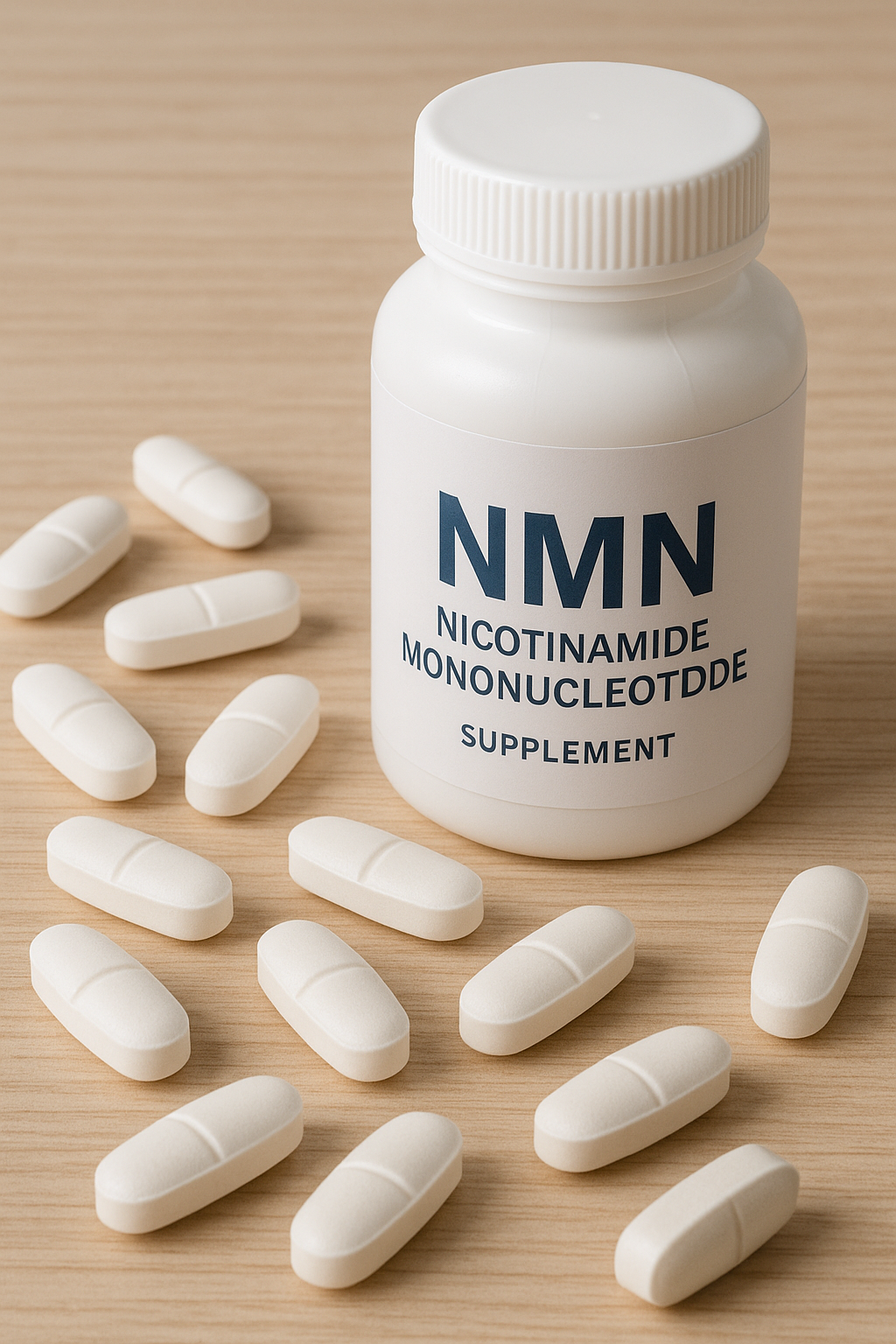
Supplements promising to boost health and slow ageing tend to spark a lot of curiosity — and a fair bit of scepticism too. One supplement that’s been gaining serious attention is NMN (nicotinamide mononucleotide). You may have seen headlines calling it a “longevity booster” or heard it mentioned in discussions about energy, brain health, and anti-ageing science.
But before anyone considers adding NMN to their routine, the big question comes up: Is it actually safe?
That’s a sensible concern. After all, it’s one thing to hear about a supplement’s potential benefits, but it’s just as important to know about possible side effects, safe dosages, and what science really says so far.
A Quick Refresher: What Is NMN?
NMN is a molecule that your body naturally produces in small amounts. You can also get traces of it from foods like broccoli, avocado, and cabbage.
Its main claim to fame is that it helps the body produce NAD+ (nicotinamide adenine dinucleotide), a molecule that plays a role in more than 500 different processes in the body. NAD+ is essential for turning food into energy, repairing DNA, and keeping cells functioning properly.
The problem is that NAD+ levels naturally decline with age. Some studies suggest that by middle age, we have significantly lower NAD+ than we did in our twenties. That decline has been linked to fatigue, slower metabolism, and other signs of ageing.
This is why scientists are so interested in NMN. By topping up the body’s NAD+ levels, NMN might help maintain energy, brain health, and cellular repair. But is doing that through a supplement safe? Let’s explore.
What Does the Research Say About NMN Safety?

When it comes to supplements like NMN (nicotinamide mononucleotide), safety is often the first concern. While NMN has gained attention for its potential anti-ageing and energy-boosting benefits, research into its safety is still developing. Current studies suggest that NMN is generally well-tolerated in humans, but long-term data is limited, and more research is needed to fully understand its effects.
Early Animal Studies
Most of the earliest NMN research was done in mice. These studies found that NMN supplementation boosted NAD+ levels and appeared to improve energy, insulin sensitivity, and even aspects of cardiovascular health with no major safety concerns. While that’s encouraging, animal studies can’t always predict how humans will respond. So researchers moved on to human trials.
Human Clinical Trials
So far, several small-scale human studies have been carried out. Here are some of the key findings:
- Doses up to 1,200 mg per day appear safe
Clinical trials have tested NMN at doses ranging from 100 mg to 1,200 mg per day, with no serious side effects reported. - Minimal side effect
Some participants reported mild digestive issues, such as nausea or bloating, especially at higher doses. But overall, NMN was well-tolerated. - Short-term trials, limited data
Most studies lasted a few weeks to a few months. This means we don’t yet know the long-term effects of daily NMN supplementation. - Encouraging outcomes
In addition to being safe, some studies found positive results, such as improved insulin sensitivity in muscles and increased NAD+ levels in blood samples.
The bottom line so far: NMN appears safe in the short term at common supplement doses, but more research is needed to confirm long-term safety.
What Side Effects Have Been Reported?
While NMN is generally considered safe, no supplement is entirely without risk. Reported side effects are rare and usually mild, but they include:
- Digestive discomfort (nausea, stomach upset, bloating).
- Headaches (less common, but mentioned in some anecdotal reports).
- Mild fatigue (ironically, a small number of people reported feeling more tired at first).
It’s worth noting that these effects were usually linked to higher doses or when people first started supplementation. In many cases, side effects eased after a few days of consistent use.
How Much NMN Should You Take?
There’s no official recommended daily dose of NMN, since it’s not an essential nutrient like vitamin C or iron. That said, researchers have explored a range of doses:
- Low doses (100–300 mg daily): Often used for general support, with few side effects reported.
- Moderate doses (300–600 mg daily): Common in many studies, seen as effective for raising NAD+ levels.
- High doses (up to 1,200 mg daily): Tested in clinical trials without major safety issues, though not considered necessary for most people.
Many supplement brands recommend starting with a lower dose and adjusting if needed. Some users also split their dose between morning and afternoon, to keep NAD+ levels steadier throughout the day.
It’s important to remember that more isn’t always better. Beyond a certain point, the body may not use additional NMN efficiently, and the risk of side effects could increase.
Who Should Be Cautious with NMN?

Even though NMN looks promising, some groups should be extra cautious or avoid supplementation unless advised by a doctor:
- Pregnant or breastfeeding women. There’s no research confirming safety in these groups.
- Children. NMN hasn’t been tested in people under 18.
- Those on medication. Especially medicines affecting blood sugar, blood pressure, or metabolism.
- People with medical conditions. Anyone with a chronic illness should get medical advice before trying NMN.
If you’re healthy and over 18, NMN appears safe — but it’s always best to check with a healthcare professional before starting any new supplement.
Can You Get NMN Naturally from Food?
Yes, you can — but only in very small amounts. Certain foods naturally contain NMN, such as edamame, cucumbers, broccoli, cabbage, tomatoes, and even avocados. These are all nutritious choices in their own right, but here’s the catch: the NMN levels in food are tiny compared to what researchers use in clinical studies.
To put it into perspective, you’d need to eat kilos of broccoli every single day just to reach the NMN content of one standard supplement capsule. Imagine sitting down to a mountain of broccoli or cucumbers every day — not exactly practical (and certainly not enjoyable for most people!).
This is why most people who are interested in boosting their NAD+ levels turn to supplements rather than food sources. Whole foods will always be important for overall health, but if you’re looking for a measurable increase in NMN, supplements are the only realistic option at this point.
Common Myths About NMN Safety
Like many supplements that quickly rise in popularity, NMN has attracted a fair share of myths and misunderstandings. Let’s unpack a few of the most common ones:
“NMN is untested and unsafe.”
Not true. While NMN is relatively new on the supplement scene, there have already been several human studies published. So far, the findings are promising: NMN appears to be well-tolerated and safe at typical dosages. Of course, more long-term studies are needed, but the idea that it’s “untested” simply doesn’t hold up anymore.
“High doses of NMN are dangerous.”
This myth likely comes from the general concern that “more is bad” when it comes to supplements. But clinical trials have tested doses as high as 1,200 mg per day without reporting serious side effects. Now, that doesn’t mean you should start mega-dosing — most studies show benefits at far lower amounts, often in the 250–500 mg range. Still, current evidence doesn’t suggest danger at these higher levels, though more research is always welcome.
“NMN will reverse ageing instantly.”
This one is definitely false. NMN is not a magic pill, and it won’t suddenly roll back the clock overnight. What it may do is support the body’s natural ageing processes by helping maintain energy production, metabolism, and cellular repair. Think of it as one piece of a much larger puzzle. Pairing NMN with a healthy lifestyle — good sleep, exercise, stress management, and balanced nutrition — is where people are more likely to see benefits.
“NMN is only for older people.”
Not quite. While much of the research on NMN focuses on healthy ageing and older adults, younger people may also benefit from maintaining strong NAD+ levels. Energy production, DNA repair, and cellular health aren’t just important as we get older — they’re happening every single day, at every age. Of course, most younger adults already have naturally higher NAD+ levels, so the benefits may be less noticeable compared to someone in their 50s or 60s. Still, the idea that NMN is strictly an “anti-ageing pill for the elderly” isn’t accurate.
How NMN Fits into the Bigger Picture
It’s important to view NMN realistically. While studies suggest it’s safe and potentially beneficial, it’s only one piece of the puzzle.
A mix of factors shapes healthy ageing:
- Regular exercise.
- A balanced diet.
- Good sleep.
- Managing stress.
- Social connections and mental stimulation.
Supplements like NMN may support these efforts, but they won’t replace them. Think of NMN as a helpful addition rather than the foundation.
Final Thoughts
So, is NMN safe? Based on the research so far, the answer appears to be yes — at least in the short term, at typical supplement doses.
Human studies have found that NMN is well-tolerated, with only mild side effects reported in some cases. Doses of up to 1,200 mg per day have been tested without serious problems. That said, we still don’t know everything about its long-term safety, and more large-scale research is needed.
If you’re considering NMN, the safest approach is to:
- Start with a moderate dose.
- Monitor how your body responds.
- Consult a healthcare professional if you have any health conditions or take medication.
While it’s not a miracle cure, NMN could be a valuable tool for supporting healthy ageing — especially as part of a balanced lifestyle.