Tag:

Health

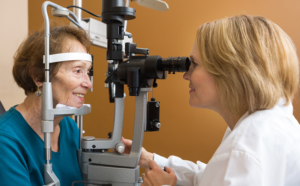
Many people ignore changes in their vision. Some even wait until it starts to affect their lifestyle before they decide to visit an eye doctor. But, eye problems do not always show signs. That’s why you need to have your eyes checked on a yearly basis if you want to avoid vision problems.

According to American Academy of Ophthalmology, you need to get a baseline eye examination at the age of 40. This is also the age when early signs of common eye diseases or changes in vision can start to manifest. Similar to screening of other diseases such as diabetes or cancers, reaching 40 is a reminder to everyone to be more active in taking care of both their eye and overall health. Visiting an eye specialist in Singapore can help check for signs of eye diseases before it worsens.

While 40 years of age is the suggested age to get an all-inclusive eye exam, there are possibilities when you need to have it at an earlier age. If you already have an eye injury or eye diseases, you must see an eye specialist in Singapore more often.

During the examination, your eye specialist will help you learn more about your eye condition. This examination even allows the doctor to check if you have any other eye diseases and assess how your eyes work together. The eyes are also good indicators if someone has chronic health problems, which include diabetes or high blood pressure.

Why Are Eye Examinations So Important

You only need about 40 minutes to an hour to complete an eye exam. This will cover the following:

  1. Medical history – after evaluating your vision and overall health, your doctor will check your medical history. This is for him or her to have a better knowledge of the causes of your eye problem. Your eye doctor also needs to know if you have had any eye injuries before. Even your previous eye prescriptions should be discussed during eye exam.
  2. Visual field testing – loss of side vision may be caused by However, some persons do not know that they have lost their side vision until they visit an eye specialist for an exam.
  3. Pupils – during the eye examination, your doctor will also evaluate your pupils. He or she will check if it responds to light by using a beam light through the pupils. Your pupils should constrict or become smaller during this test. If it dilates or there’s no response, then this is an indication of an eye problem.
  4. Dilated fundus examination – eye drops will be instilled to enlarge your pupils. This lets the doctor to check the retina for any bleeding, swelling, or retinal tears or holes.
  5. Visual acuity – this is when your eye doctor will ask you to read a standardized eye chart to check how well you see at various distances. It will be done 1 eye at a time.

Your eye doctor may suggest further eye tests to see how your eyes are using other specialized techniques. These eye examinations can be helpful in diagnosing a disease in early stages so your doctor can detect if there are abnormalities in any areas of your eyes.

After these tests, your doctor will explain to you his or her findings. Don’t hesitate to inquire or jot down notes to make sure you understand about your eye’s health.


Don’t wait until you have trouble watching TV or seeing objects close up. Visit Atlas Eye to have your eyes checked by a professional. Check out their site for more details!




0 comments
0 FacebookTwitterPinterestEmail

Regardless of our age, there are always changes happening to our vision. In most cases, eye checks are usually carried out annually, unless there are preexisting eye conditions. Should that be the case, it is wise to visit an eye doctor in Singapore to have your eyes checked.


Usually, you need to undergo a comprehensive eye exam annually to see to it that your eyes stay healthy and your vision remains sharp. However, if you have the following conditions, you may need to undergo an eye exam more frequently:

  • Previous eye injury or eye trauma
  • Previous eye surgery
  • High level of eye prescription
  • Lazy eye
  • Medical conditions such as diabetes
  • Ocular disorder
  • Family history of certain eye or health problems such as glaucoma and macular degeneration


There are also occurrences when you need to undergo an eye examination immediately or even if you are not yet planned to get one. These include:


  • If you experience abrupt blurring of vision – these eye problems can be signs of a bigger health concern and must be immediately checked by an eye doctor in Singapore.


  • If you suddenly see flashes of light, floaters, or other visual disturbances – visual disturbances mentioned could be signs that you have a serious and vision-threatening disorder. It could be because of a retinal tear, retinal detachment, or retinal hole. Don’t wait for these symptoms to worsen and seek immediate medical care within the next twenty-four hours. This will diminish risks of vision loss.


  • If you notice that your vision is progressively becoming blurry – when this symptom starts to be evident, it could mean that your vision is gradually weakening. If you need to squint or to move further away from a book or a computer screen just to improve clarity, it may be time to schedule for an eye exam.


  • If you always experience headaches – recurring headaches could be a sign that you have a vision problem. You may not notice it at first since the changes in your vision could manifest gradually. Headaches can be an early warning sign of something more serious.


  • If you feel eye strain or eye fatigue – eyestrain can happen from time to time, but it is not to be ignored. It may be due to exhaustion, not having enough sleep, or long hours of near work. However, if it has been recurring for a few days, it may be best to have it checked.


  • If you always squint – another typical sign that it’s time for an eye exam is squinting. We typically squint to improve our eyes’ focus or if the eyes are having difficulty looking or reading. Squinting reduces light scattering, leading to improved vision. It is also the first sign we see in kids if they need eyeglasses. So, if you notice that your child frequently squints when reading or watching television, it will be best to have him or her scheduled for an eye exam.

Eye Specialist

Eye examinations are important to see changes in your vision or overall health. It is also be effective in aiding you avoid complications or see the natural changes in the eyes as you age.


If you have further questions about eye exams, contact Atlas Eye. Visit their website or call their office to find out more about eye care services today!

0 comments
0 FacebookTwitterPinterestEmail


Your eye’s lens works same as a camera lens. It focuses light onto your retina to allow you to have perfect vision. It is also accountable for adjusting the eye’s focus so you can see things distinctly whether it is up close or far away. This lens is made up of protein and water.


As we age, the protein in the lens may clump together and cloud a certain area of the lens. This is how a cataract forms. Over the years, the lens becomes progressively cloudy. As a result, it makes it harder for a person to see things at certain distance, and sometimes at night.


Researches from different parts of the world have identified factors that cause cataracts. These causes include:

Age – as we age, the protein in our eyes can clump as we age

Traumatic – cataracts may form after an eye injury

Secondary – cataract can also be acquired due to a medical condition, such as diabetes. You can also get it by being exposed to ultraviolet light, toxic substances, or radiation. Taking medicines like corticosteroids or diuretics can also cause cataracts.

Congenital – when babies are born with cataracts, the condition is called congenital. This may be due to injury, infection, or even poor development of the baby in the womb during pregnancy. It can also develop in childhood.


Other risks of cataracts are include:

  • High level of myopia
  • Previous eye injury or inflammation
  • Previous eye surgery
  • Hormone replacement therapy
  • Hypertension
  • Obesity
  • Smoking
  • Prolonged intake of corticosteroid medications
  • Significant alcohol consumption


Treating cataract:


If you have cataracts, it does not mean that you immediately need to undergo a cataract surgery. When symptoms begin to manifest, you may still be able to improve your vision by wearing prescription eyeglasses or any other visual aids.


Consider surgery once the cataracts start to progress enough that it is already beginning to affect your day-to-day life. If you are considering about undergoing this surgery, make sure to choose a reliable eye care center to make sure you get top-quality service. They will help you learn whether you need the surgery or not.


What to expect in cataract surgery:

Cataract surgery is designed to improving a patient’s quality of life and in certain cases, to remove the need to wear contact lenses or eyeglasses. However, some patients may still need to use glasses, based on the type of lens implant inserted. During cataract surgery, the eye specialist will eliminate the cloudy lens and then use a clear artificial lens called intraocular lens as a replacement. This surgery only needs about half an hour to complete and painless and safe. As it can be done as an outpatient method, you are able to go home on the same day after the surgeon has already finished the post surgery check. This means that you will have enough time to rest at home and begin to adjust to your new vision.


If you are still in search for a qualified eye care center in Singapore, be sure to visit Atlas Eye. They are known for delivering high-quality and evidence-based eye care services at reasonable rates. This Singapore-based ophthalmology specialist centre is known in the country for harnessing the advantages of the latest techniques and technology to offer optimal results to their patients who need eye health enhancement or rehabilitation. Their friendly staffs deliver quality services and help you achieve great results in every examination, treatment and surgery. Choose Atlas Eye for advanced cataract surgery, glaucoma treatment, childhood eye treatment, refractive surgery, or diabetic treatment.


0 comments
0 FacebookTwitterPinterestEmail

If your cataract is changing your lifestyle and how you do your day-to-day activities, it may be the right time to discuss with your doctor about cataract surgery. During this surgery, your eye surgeon will remove the clouded lens or the remove cataracts to improve your eyesight. They will use numbing eye drops so the patient will only feel little to no pain during the procedure.


If you are already decided to undergo this procedure, here’s how you can prepare for it:

Stop certain medications – you may want to inform your doctor if you are taking medications. This is so that they can tell you whether you need to continue or stop taking it. Certain medicines could increase the possibilities of your eyes bleeding during the surgery.

Take eye tests – a week before your scheduled operation, your doctor will do an ultrasound test to measure your eye’s size and shape This test will also determine the right kind of intraocular lens that will best fit your eye’s condition and needs.

Avoid eating or drinking before your surgery – your doctor may ask you not to drink or eat anything for several hours before the procedure. It will be best to ask your doctor for your peace of mind.

Arrange a ride home – while you can expect to see improvements in your vision after the surgery, you will still need to arrange transportation. Your doctor will not allow you to drive since you may still feel drowsy or have blurry vision due to the sedatives.

Use eye drops – your doctor may prescribe you with eye drops to help reduce any risk of infection. You may also need to use it for a day or two before the surgery to ensure that your eyes are free of any debris or germs that could cause infection.

What to do Prior to and After Cataract Surgery

Once the cataract surgery is done, your eye specialist will advise you to wear an eye protective cover and take some rest in a post-operative room. Here’s what you may expect after the operation:

  • You might feel a bit dizzy due to the anesthesia but this will eventually wear off after a few hours.
  • Your surgeon will give you advices on how to take care of your eyes to ensure that it heals well after the surgery.
  • Ask the surgeon about your follow-up appointment and do your best not to miss it.
  • You will be advised to take medicines, which includes antibiotics or anti-inflammatory eye drops. You are advised to drop it for the next few weeks until you fully recover from the operation. Follow your doctor on the dosages as well as schedule on when you will take it.
  • You may feel a bit of irritation or stinging in your eyes. Bear in mind that this is still part of the healing process, so avoid rubbing your eye.
  • Always wear your protective eye shield while you sleep to avoid accidentally rubbing or putting pressure on your eyes.
  • Avoid any strenuous activities or sports for at least 1 month. In case you have to go to the gym or your job requires you to lift heavy things, you might want to take a few days off.


Are you still searching for an eye care center in Singapore? Don’t think twice and get in touch with Atlas Eye to learn more about their quality surgery services. You may also check out their website for details.


0 comments
0 FacebookTwitterPinterestEmail

ReLEx SMILE surgery is perfect for patients who are above the age of eighteen and have refractive errors such as myopia as well as astigmatism. It is also encouraged for patients who do contact sports and want to evade the risk of flap dislodgement. It is a contemporary surgical procedure that is quick and bladeless, yet has impressive vision correction results.


After PRK as well as LASIK, ReLEx SMILE is the third generation of laser vision correction. It is commended for its contemporary advantages such as eliminating the need to make a corneal flap and also the lengthy recovery time needed due to surface ablation. When you choose this surgery, you will only need a small incision on your eye’s corneal surface using the femtosecond laser. Since the cut made on the cornea is small, Relex Smile allows for faster recovery and minimum discomfort.


Why many patients prefer this procedure:

  1. Lower risk of developing dry eye – As Relex SMILE surgery only makes a small incision of 2-4mm, it leaves a huge portion of corneal nerves intact. As a result, patients experience lesser dry eyes after surgery.
  2. Faster recovery time – Due to the smaller incision size, the healing process is quicker as compared to LASIK.
  3. Gentle yet rapid procedure – ReLEx SMILE surgery is a 1-laser procedure as compared to LASIK and PRK. Because of its unique way of vision correction, the duration of ReLEX SMILE is almost the same across all degrees.

Relex Smile Surgery

How does ReLEx SMILE work?

The 1st thing your eye care specialist will do is to administer anaesthetic eye drops to avoid any discomfort during the surgery. Next, a femtosecond laser is used to create a small incision along with a lenticule inside the cornea. Once done, the corneal tissue or lenticule will then be removed through the small cut. By doing so, the shape of your cornea will be altered for the vision to have the proper refractive outcome.


There are only several eye care centers in Singapore that have Relex Smile services, so you need to make sure to trust the one that is reliable. To see to it that you are fit to undergo this surgery, visit a skilled eye care center like Atlas Eye. This clinic is ideally located in Paragon Medical, Orchard Road. Atlas Eye is a reliable eye can center that is independently owned as well as operated by a qualified ophthalmic surgeon. With their team member’s years of experience in delivering quality eye care service, they make a good choice for any eye care procedures you may need.


Headed by Dr. David Chan, their well-informed staff is known for offering high quality service at all times. He has attained his postgraduate degrees in Royal College of Surgeons in Edinburgh, Scotland and from the National University of Singapore. Dr. Chan is a proud associate of different international ophthalmology societies, which includes the American Academy of Ophthalmology, the Asia Pacific Society of Cataract and Refractive Surgeons, and even the American Society of Cataract and Refractive Surgeons.


Do you want to learn more about ReLEx SMILE services? Be sure to contact Atlas Eye today. You may also check out their website to have an appointment.


0 comments
0 FacebookTwitterPinterestEmail

Akin to other surgical procedures, hand surgeries also have its share of failures, success, and complications.

That being said, it is imperative for likely candidates for orthopaedic hand surgery to be in the know as to the possible risks and complications involved with the procedure.

Patients who have undergone orthopaedic hand surgery often complain about one issue, presumably one of the most common complications of the surgery—hand stiffness.

Stiffness of the hand encapsulates pretty much all the effects of post-surgery.

In majority of the cases, hand stiffness can be attributed to swelling and immobilization secondary to the injury and the procedure itself.

Fortunately, there are post-surgery guidelines that are priority based in place to help ensure the risk of complications becomes minimal.

Pre-Surgery Priorities

Prior to the surgery, one of the primary priorities is determining the extent of the injury.

Once the severity of the injury has been established, the next management priority would be to fix the damage, reconstruct the affected areas, and preserve as much of the good tissues as possible.

Oftentimes, the patient is let in on the discussion to help ensure the procedure is tailored to their unique and specific needs.

Likely Surgery Complications

Just like other surgeries, certain complications can arise from diverse hand surgeries.

With that in mind, the importance for pre-surgery guidelines to be strictly adhered to cannot be overstated.

Understandably, to significantly minimize the risk of any complications, surgeries are to some extent tailor made for the patient, with all key factors considered, including possible underlying diseases.

Surgery complications are actually more common than people think.

Some of the likely complications that can arise from hand surgery includes:

  • Needle stick injuries
  • Toxic shock syndrome
  • Prior axillary lymphadenectomy
  • Tourniquet palsy
  • Anesthesia complications

Post-Surgery Priorities

After the procedure, the common priority is to ensure there is adequate blood supply so the healing process can take place.

Fortunately, there is revascularization, aggressive debridement, and other techniques to help ensure adequate blood supply is facilitated.

Yet another concern after surgery is the prevention of edema.

However, this aspect can be remedied through elevation of the affected area and proper mobility.

Pain Management

While there is a certain level of discomfort that can be expected after surgery, it is reassuring to know that pain control advancements have made management of pain relatively easier.

Nowadays, there are already many types of medications that can help effectively control post-operative pain.

Some of these medications include opioids, anti-inflammatory drugs or NSAIDs, and local anesthetics.

Aside from helping reduce and ease the pain, pain medications can also help ensure patients feel more comfortable as soon as possible.

When there is comfort and pain is minimal, the patient will not only be able to move around sooner but will also regain strength faster.

Below are some of the pain medications used to control pain after hand surgery:

Nonsteroidal anti-inflammatory drugs (NSAIDs)

NSAIDs are prescribed to ease mild to moderate pain.

NSAIDs are also often used with opioids to help manage post-surgery pain that is moderate to severe.

Common examples NSAIDs include ibuprofen, aspirin, and naproxen.

Opioid analgesics

When treating moderate to severe pain, opioids are considered ideal.

It is also used when managing short-term post-surgery pain.

Opioids work by attaching themselves to opioid receptors found in the body and blocking pain transmissions to the brain.

Opioids are also given through different means—by mouth, under the tongue, through the skin or directly into the bloodstream.

Opioids have also been known to work rapidly and will allow patients to be more active during the day and get sufficient rest at night.

If you are a candidate for orthopaedic hand surgery, visit www.bjios.sg right now for expert help.

0 comments
0 FacebookTwitterPinterestEmail

Otherwise known as laparoscopic surgery, minimally invasive surgery or MIS is a surgical procedure that makes use of microscopes and tiny fiber-optic flashlights.

The instruments used in the procedure are inserted in small incisions or ports in the body.

This advanced surgical procedure is preferred by many as it minimizes blood loss and less scarring is involved.

What are other incomparable benefits of minimally invasive surgery?

Reduced scarring – in most cases, closing minimally invasive surgery incisions will only require a stitch or two.

Shorter recovery period – conventional surgeries will usually require six to eight weeks of recovery time. When it comes to minimally invasive procedures however, recovery period can be as short as two weeks.

Enhanced safety – minimally invasive surgeries are deemed safer compared to open surgery as there is less blood loss and trauma.

Shorter hospital stay – majority of the patients are allowed to go home a few hours after the surgery. Conventional surgeries will often involve staying in the hospital for a day or more.

Lower risk for infection – with minimally invasive surgery, risk for infection is significantly minimized as it is less invasive.

Preparing for MIS

Although considered less invasive, preparation is still necessary to ensure the procedure is successful.

Get your preparation on the right track by asking your surgeon the following key questions:

What happens during a minimally invasive surgery?

Know the specifics.

Ask for basics like how long the procedure will likely take, the instruments that will be used (and how many), the number of incisions needed, etc.

List down the things you would want to know about so you will have a much better idea of what you are getting yourself into.

Are there any possible side effects?

While pain is expected after surgery, it might turn out to be somewhere you least expected.

If you are not much of a fun of surprises, it would be best to check with your surgeon as to where you will most likely feel pain and discomfort.

It would also be a good idea to ask as to how long the pain and discomfort will likely last and how it severe it can possibly be.

How long is the likely recovery period?

While most minimally invasive procedures are done on an outpatient basis, some are not.

Ensure you have a clear idea of the needed time for recovery so you can set the right expectations and make preparations in advance.

Check also if you will be needing physical therapy.

Pre-Surgery Preparations

The night prior to the procedure, it would be ideal to take a shower and wash and clean the surgical site.

Alcohol intake is not allowed the day before the surgery.

When necessary, your surgeon will give you specific directions on bowel preparation.

Using creams, moisturizers, lotions, and makeup is also not allowed on the day of the surgery.

There is also a high probability you will be asked to abstain from eating and drinking after midnight prior to your surgery schedule.

Post-Surgery Expectations

Before and After a Minimally Invasive Surgery

After the surgery, you will most likely spend two or three hours in the recovery room.

You will be given antibiotics and pain medications.

Once you are able to move and urinate comfortably, the urinary catheter will already be removed.

As mentioned earlier, most minimally invasive procedures will not require a hospital stay but some may entail that you stay hospitalized for a few days.

Once the dressing incisions have been removed, you will be allowed to take a shower.

Pain medications and other prescriptions will also be given upon discharge. It will also be the ideal time to check with your doctor as to when you can continue with your usual routine without any restrictions.

For more information about minimally invasive surgery and what it can do for you, visit www.bjios.sg now.

0 comments
0 FacebookTwitterPinterestEmail

Discomfort, inflammation, and pain from any joint part (tendons, bone, cartilage, and muscles) is generally referred to as joint pain.

In most cases however, joint pain refers to arthritis or arthralgia—a condition characterized by inflammation or pain within the joint itself.

Joint pain can also be attributed to other underlying medical conditions like osteoarthritis, gout, bursitis, sprains, strains, and other injuries.

While it has been known to affect any part of the body, the knee is considered the most common area affected, followed by the shoulder and the hips.

In most cases, joint pain becomes more prevalent as one ages.

Joint pain can range from irritating to debilitating.

It can also disappear in a few weeks (acute) or it can last for several weeks to several months (chronic).

However, it is unfortunate to note that even short-term pain and swelling can already significantly affect the patient’s quality of life.

Treatment Options

Fortunately, patients who are suffering from joint pain have plenty of treatment options that can ease joint inflammation and pain available at their disposal.

Some of these options are:

Topical agents

A substance called capsaicin (can also be found in chili peppers) have been known to effectively relieve joint pains.

The substance works by blocking substance P (transmits pain signals). It also triggers endorphin release, a chemical that helps block pain).

Topical creams with methyl salicylate (Ben Gay) can also provide relief for pain in the joint.

Medications

When joint pain is moderate to severe, prescription or OTC nonsteroidal anti-inflammatory drugs (NSAIDs) like naproxen sodium (Aleve), ibuprofen (Motrin, Advil) are often prescribed.

For mild pain sans swelling, acetaminophen (Tylenol) is often recommended.

For those suffering from severe joint pain, a strong opioid medication might be given.

Other medications know to alleviate joint pain include:

Antidepressants and antiepileptic drugs – works by interfering with pain signals.

Muscle relaxants – works by combating muscle spasms and often used with NSAIDs to provide maximum pain relief.

Injections

If the joint pain does not respond to topical or oral remedies, steroid medications will be recommended.

Every 3 to 4 months, the steroid medication will be injected directly into the joint to provide much needed relief.

This treatment alternative is often considered ideal for those who are suffering from joint diseases, arthritis, and tendinitis.

Alternative treatments

Certain studies indicate that glucosamine and chondroitin supplements will not only help alleviate joint pain but will also significantly improve function.

These supplements can come in the form of a capsule, liquid, powder, or tablet.

While not all who suffer from joint pain find relief from this alternative form of treatment, many are willing to give it a try as it has no known side effects.

Physical therapy

Physical therapists help patients suffering from joint pain by strengthening the muscles, enhancing the motion range, and stabilizing the joint.

Techniques used often include ultrasound, heat and cold therapy, and electrical nerve stimulation, among others.

Patients who are overweight will also be advised to lose the extra pounds as it can help take strain and stress off the joint.

While exercise would be an effective way to get rid of the excess weight, sticking to low-impact exercises is considered ideal. This is necessary so irritating the joint further is avoided.

Home remedies

Short-term joint pain will often respond to the following home care remedies:

  • Protecting the affected joint using a brace or a wrap.
  • Resting the joint and not doing activities that might trigger or cause pain.
  • Icing the affected area for at least 15 minutes, several times each day.
  • Compressing the joint using an elastic wrap.

While some cases of joint pain are harmless, others can be the result of some underlying condition. To play safe, visit www.bjios.sg right away.

0 comments
0 FacebookTwitterPinterestEmail

Ingrown toenails or onychrocryptosis is the condition where the nails (usually that of the big toe) digs and grows deep into the edges of the nails instead of outside.

Ingrown toenails can be very painful and are often characterized by swelling, redness, and inflammation.

The condition can also be attributed to numerous causes. To know some of the most common causes of ingrown toenail, click here.

When infected, it can be uncomfortable and can make moving around highly uncomfortable.

While seemingly harmless, ingrown toenails should not be taken lightly or left unattended.

Treatment course for the condition will often depend on the severity.

For instance, in mild cases, conventional treatment may suffice.

For severe cases (especially if infection is already involved), and ingrown toenail surgery might be more apt.

Fortunately, there are many ways you can keep ingrown toenails from occurring, some of which are mentioned below:

Be extra careful when trimming your toenails. The same caution should also be exercised even if you are having other people trim your nails for you at the salon. Don’t trim your nails so close to the nail bed as this might result to a wound that will eventually lead to infection. Ideally, do trim your nail right across. Also, ensure you do not cut too low.

Always wear comfortable footwear. At all times, ensure you wear shoes that fit properly and have enough room for your toes to breathe. Footwear that put too much pressure on your toes may cause your nails to grow into the tissue instead of outwards. This can make a world of difference especially if you already have foot problems to begin with.

Keep toenails at reasonable length. Keeping your toenails at good length is not only hygienic but it can also minimize pressure on the toes. It can also help ensure the nails do not dig in the surrounding tissues. Also, if your job puts your feet at risk for damage or injuries, make sure you wear appropriate shoes that help guarantee they are protected at all times.

Make it a habit to check your feet. Checking your feet on a consistent basis is especially vital if you have other medical conditions (i.e. diabetes) that can prevent faster healing. In line with this, make it a habit to regularly check for any signs of ingrown toenails and other foot issues.

While ingrown toenail surgery is oftentimes not the first option, it is often the recommended resort when the risk of complications becomes high.

When visiting your podiatrist or doctor, ensure you come prepared and you have all the bases covered.

Get your preparation off to a superb start by asking your doctor or surgeon the following questions:

  • What are other likely treatment options?
  • What are the pros and cons of each option?
  • It is okay to wait if the condition goes away sans treatment?
  • Is ingrown toenail surgery necessary?
  • Is the condition temporary or long-term?
  • What nail care routines are recommended while healing?

Ingrown toenails are often not a cause of worry as long as attended to right away. Sans proper treatment however, it can go differently. To keep any discomfort and complications at bay, make sure the condition is given proper attention and treated accordingly and ensure you get treatment from the specialists at www.bjios.sg.

0 comments
0 FacebookTwitterPinterestEmail

Years prior, joint replacement surgery was considered a high-tech procedure.

Nowadays, it is already considered a common operation.

In fact, in the US alone, statistic indicate that more than a million hips and knees have been replaced yearly.

While the figure is relatively high, it is actually not surprising.

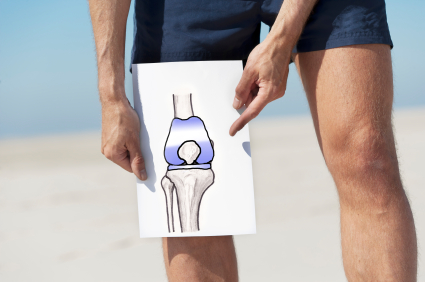
Given the procedure is right for you, hip and knee replacement can be truly life-changing.

Statistics show that a staggering 90 percent of individuals who have had joint replacement surgery notice a dramatic change in terms of mobility and pain relief.

When is hip and knee replacement truly required?

Facts To Know About Knee and Hip Replacement

There are several key factors surgeons take into consideration to determine candidates for joint replacement surgery.

Some of the factors include:

Pain and stiffness – joint replacement is considered a likely option for those who experience excruciating pain and are no longer able to carry out routine activities like walking, getting up from a chair, or climbing the stairs, among others.

Deformity – joint replacement surgery is a probability when the affected leg becomes severely swollen or bowed.

Bone damage – when there is severe joint damage due to osteoarthritis and other conditions, joint replacement might be required.

Poor life quality – aside from the pain, surgeons would need to consider if the joint issue has already affected the patient’s quality of life. If it already limits the patient’s movements or causes them to be depressed or grumpy, then joint replacement might be necessary.

Even in cases where all of the requirements for joint replacement surgery has been met, certain factors still need to be taken into consideration to truly gauge if the procedure is indeed the right option.


Ask yourself the following questions to help accurately gauge if you have made the right decision:

Am I willing to make the necessary adjustments/changes?

Achieving the optimum results entails dedication to making the right changes. In other words, you need to become disciplined in terms of losing any excess weight, exercising more, eating healthier, and adapting a healthier lifestyle in general.

Do I have someone to help me out while I’m recovering?

Recovering from joint surgery without help would be extra challenging, if not totally impossible.

For starters, you would need assistance doing just the basics alone—moving around, getting dressed, preparing food, changing the bandages, among other things—especially during the first few weeks.

If you don’t have family members or close friends helping you out, consider checking for rehab facilities you can check in at least while you are recovering.

Have I tried all the other conventional options?

While deemed safe and effective, there are still certain risks involved in joint replacement injuries, much like any other surgeries.

In addition, recovery time can definitely take a lot of months.

Ideally, it would be best to exhaust all other conventional and noninvasive options before considering surgery.

While no doubt life-changing, joint replacement surgery might not be the ideal treatment recourse in all scenarios.

For instance, the procedure is not exactly a good alternative given the following scenarios:

Infection – if patient has suffered from a recent body infection, joint replacement is not a viable option. Understandably, caution should be exercised in order to prevent the infection from spreading to the joint area after the surgery. In cases where the infection spreads, it might result to more serious concerns and might even require additional surgery.

Pain cause – surgeons will have to make sure the pain is really secondary to joint damage and not anything else. Bear in mind that there are hip and knee issues that joint replacement surgery will not fix.

Other medical issues – if patient has a history of uncontrolled diabetes, strokes, or heart attacks, complication risk becomes relatively higher.

Hip and knee replacement is not for everyone. To know if it is the best treatment intervention for your case, visit www.bjios.sg now.


0 comments
0 FacebookTwitterPinterestEmail