Tag:

health tips

a beautiful asian woman consulting a doctor about taking glutathione

Glutathione has quickly become a buzzword in the world of wellness. You’ll see it in skincare, supplements, IV drips—even beauty clinics. From brightening skin to boosting energy, it’s often called a “miracle antioxidant.” And honestly, the hype is hard to ignore.

But here’s the thing: while many people rave about the short-term glow, a growing number are asking a more important question—is it actually safe to take long-term? That’s a smart question to ask. After all, supplements aren’t just trends—they’re part of your health. So, let’s take a closer look at what science says and what your body needs to know.

Highlights:
  • Glutathione is a powerful antioxidant naturally produced by the body, known for supporting skin clarity, liver detox, and immune health—though modern lifestyles often reduce its levels, leading many to supplement.
  • Research shows it’s generally safe for long-term use at appropriate doses, with potential benefits like anti-aging, reduced inflammation, and improved brain, heart, and liver health—but more studies are still needed.
  • To use it wisely, choose quality supplements, stick to recommended doses, support it with a healthy lifestyle, and consult a doctor—especially for long-term or medical use.

Why Is Everyone Talking About Glutathione?

glutathione pills being taken from the bottle

Photo is from Canva Stock Images

Glutathione is like your body’s built-in bodyguard. It’s a powerful antioxidant made from three amino acids—cysteine, glutamate, and glycine—and it’s found in every single cell. Its job? Protecting you from damage caused by toxins, stress, pollution, and even junk food. It also helps repair cells, boost immunity, and support liver detox—basically keeping your system clean and running smoothly.

But here’s the catch: things like aging, poor sleep, bad diet, and illness can drain your natural glutathione levels. Ever feel sluggish after a stressful week or late nights? Your glutathione likely took a hit.

That’s why many people turn to supplements—to give their body a helping hand when life gets busy or when they want clearer skin, better energy, or liver support. So while your body makes it, a modern lifestyle often means you need a little backup.

6 Reasons Why People Take It?

People take glutathione supplements for many reasons, including:

skincare cell being absorbed by the skin

Photo is from Canva Stock Images

  1. Skin brightening and anti-aging – Many users seek clearer, brighter skin and a more even complexion. 
  2. Liver support and detoxification – Glutathione helps flush out toxins and supports overall liver health. 
  3. Immune system boost – It strengthens the body’s defenses, especially during times of stress or illness. 
  4. Support for chronic conditions – Used in medical settings for managing diseases like Parkinson’s, fatty liver, and HIV. 
  5. General wellness and energy – Users often report feeling more energetic and recovering faster from fatigue. 
  6. Variety of forms for convenience – Available as capsules, powders, drinks, liposomal formulas, and even IV drips.

What Research Says About Long-Term Use

This is where things get interesting. Most studies on glutathione focus on short-term use. These usually last a few weeks or months. So far, results show that it’s generally safe and well-tolerated, especially at standard doses.

However, long-term studies, those lasting a year or more, are still limited. That doesn’t mean it’s dangerous. It just means we need more research to say for sure.

One promising fact is that in studies involving people with chronic conditions, glutathione has been taken for extended periods without serious side effects. Still, more trials in healthy individuals would give a clearer picture.

Are There Any Long-Term Benefits?

researchers studying glutathione and collagen under a microscope

Photo is from Canva Stock Images

While research is still ongoing, early findings suggest several promising long-term benefits of glutathione—especially when taken consistently and combined with a healthy lifestyle. Here’s a quick look at what science is uncovering:

Potential Long-Term BenefitHow Glutathione May Help
Anti-aging and skin healthReduces oxidative stress, which may help slow down signs of aging and support skin clarity.
Inflammation reductionHelps lower chronic inflammation linked to many diseases.
Liver detoxification supportAssists in flushing out toxins and protecting liver cells from damage.
Immune system protectionStrengthens immune function, especially during aging or illness.
Cognitive and brain healthMay protect brain cells and support neurological function as you age.
Insulin resistanceEarly studies show potential in improving insulin sensitivity.
Heart healthAntioxidant action may reduce risk factors linked to heart disease.
Support for neurological disordersBeing explored as a complementary approach for conditions like Parkinson’s.

Any Side Effects to Watch Out For?

Generally, glutathione is well-tolerated. Some people may experience mild side effects like bloating, cramps, or skin rashes. These usually go away on their own.

One thing to note: long-term, high doses of glutathione may lower zinc levels in the body. Zinc is essential for immune health, wound healing, and many other functions. So it’s something to watch, especially if you’re taking it daily for months on end.

People with asthma or sulfur sensitivity may also need to be cautious. In rare cases, glutathione has triggered asthma symptoms when inhaled. Oral supplements seem to be safer in this regard.

Who Should Be Extra Careful?

If you’re pregnant, breastfeeding, or dealing with a medical condition, always speak with your doctor before starting any supplement—especially long-term.

The same goes for people taking chemotherapy or medications that may interact with glutathione. Since it affects how your body detoxifies, it could alter how some drugs work.

A quick chat with your doctor can save you a lot of trouble down the road.

How to Take It Safely

If you decide to take glutathione long-term, keep a few tips in mind:

  • Stick to recommended doses – Don’t assume more is better. 
  • Choose high-quality brands – Look for products tested for purity and potency. 
  • Support it naturally – A healthy diet, exercise, and good sleep all help boost your body’s natural glutathione production. 
  • Consider cycling – Taking breaks between supplementing can give your body time to reset. 
  • Check in regularly – Talk with your healthcare provider about any changes or side effects you notice.

What Health Authorities Say

Glutathione is approved as a supplement, not a drug. That means it’s not regulated as strictly as medications.

So far, agencies like the FDA and WHO haven’t issued warnings against it. But they also haven’t officially endorsed it for long-term use. This is why it’s so important to be a smart consumer and stay informed.

Final Thoughts: So, Is It Safe Long-Term?

a beautiful woman holding a pill with her right hand

Photo is from Canva Stock Images

All things considered, glutathione appears to be safe when taken at the right dose. Many people have used it for months—or even years—without problems. That’s encouraging. But let’s be honest: no supplement is a magic cure-all.

The real key is balance. Glutathione works best when combined with a healthy lifestyle—good sleep, clean food, and daily movement. Also, listen to your body. And don’t skip that chat with your doctor, especially if you plan to take it regularly.

Science is still unfolding, but so far, things look promising. Stay smart, stay curious, and use glutathione wisely.

Frequently Asked Questions (FAQs)

Can I take glutathione every day?
Yes, you can. Many people take glutathione daily, especially for skin health or immune support. Just make sure you stick to the recommended dose and talk to your doctor if you’re unsure.

How long can I safely take glutathione?
There’s no official limit, but studies suggest it’s safe for long-term use when taken properly. However, it’s always best to take breaks or check in with your doctor if you’re using it for several months.

Can men take glutathione too?
Absolutely! Glutathione isn’t just for women. Men can benefit from its antioxidant, detox, and immune-supporting effects just the same.

Will I stop producing natural glutathione if I take supplements?
So far, there’s no strong evidence that taking supplements shuts down your body’s natural production. Still, moderation is key, and supporting your body through a healthy lifestyle is just as important.

Is oral glutathione effective, or do I need IV drips?
Oral glutathione can be effective, especially when taken in liposomal form or combined with Vitamin C. IV drips deliver it faster, but they’re not always necessary unless prescribed for medical reasons.


 

0 comments
0 FacebookTwitterPinterestEmail
a beautiful asian woman looking happy at the results of her glutathione treatment

Glutathione has become a buzzword in the world of wellness and skincare—and for good reason. It’s a powerful antioxidant found naturally in the body, known for its role in detoxification, immune support, and yes—skin brightening. Many people take glutathione supplements hoping for clearer, brighter, and more even-toned skin. But the question always follows: How long before I see results?

The truth is, results vary. It depends on several factors, including how you take it, how much, how often, and even how your body processes it. Let’s break it down so you can set the right expectations—and make the most of your glow-up journey.

Highlights:
  • Glutathione works differently for everyone, depending on how it’s taken, the dosage, and your body’s unique response. Results are not instant but build over time.
  • For skin brightening, visible changes usually appear within 1–3 months for lighter skin and 3–6 months or longer for darker tones. Other health benefits may show earlier.
  • Taking glutathione with Vitamin C, staying consistent, and following a healthy lifestyle can maximize results. Consulting a doctor ensures safety and proper guidance.

What Affects How Fast Glutathione Works?

a beautiful asian woman holding a tablet of glutathione

Photo from Canva Stock Images

A. Method of Intake Matters

Not all forms of glutathione work the same. Some are absorbed better than others.

  • Oral supplements (like capsules or tablets) are common and convenient, but they pass through your digestive system first. That means a portion may be lost before your body can use it.
  • Intravenous (IV) glutathione goes straight into your bloodstream, giving faster and more noticeable effects, especially for skin brightening. However, it’s more expensive and should be done by professionals.
  • Sublingual forms, like lozenges or sprays under the tongue, can offer better absorption than oral pills.
  • Inhalation or topical creams are less common and generally less effective due to low bioavailability.

In short, the faster it gets into your system, the sooner you may see results.

B. Dosage & Frequency

More glutathione doesn’t always mean faster results. What matters more is taking the right dose consistently. Most oral supplements recommend 250–1000 mg per day, often with Vitamin C to support absorption.

Taking too much won’t make it work overnight. In fact, megadosing can stress your liver or be completely wasted. Stick to recommended amounts, and be patient.

C. Body Chemistry Plays a Role

Your body’s unique makeup also affects how quickly glutathione works:

  • Skin tone: Lighter skin may see changes within 1–3 months, while deeper tones might take 3–6 months or more for noticeable brightening.
  • Metabolism and gut health affect how well your body absorbs nutrients.
  • Liver and kidney function are important since they’re key in glutathione production and usage.
  • And of course, lifestyle habits like diet, sleep, stress, and smoking all play a part.

General Timeline: What to Expect

a beautiful young woman touching her smooth arm

This visual was rendered with the help of an image generator.

A. For Skin Brightening

Skin changes don’t happen overnight. You’ll need to be consistent.

  • Light to medium skin tones may start seeing improvements in 1 to 3 months.
  • Medium to dark skin tones may take 3 to 6 months or longer.

Brightening tends to happen gradually—think clearer, more even-toned, and glowing skin—not dramatic overnight whitening.

B. For Other Health Benefits

Glutathione does more than affect your skin.

  • For detox and antioxidant effects, some people notice a difference in as little as 1 to 4 weeks.
  • Immunity and energy levels may improve within a few weeks to a couple of months, depending on your overall health.

Often, the first changes are internal before they show up on the outside.

Subtle Signs That Glutathione Is Working

SignWhat It Means
Better sleep and more stable energyYour body is detoxifying more effectively, reducing fatigue and improving rest.
Fewer breakouts or less skin inflammationAnti-inflammatory properties are calming your skin from within.
More radiant and even skin toneGlutathione is helping balance melanin production and oxidative stress.
Improved digestion or fewer flare-upsYour gut health is improving, supporting detox and nutrient absorption.
Stronger immunity or fewer sick daysAntioxidant support is strengthening your immune response over time.

Why It’s Best to Talk to Your Doctor First

Before starting any new supplement—especially something like glutathione—it’s always a smart move to speak with a healthcare professional. Your body is unique, and what works for others might not be the right fit for you. A doctor or licensed dermatologist can help you:

  • Choose the right form and dosage
  • Check for any underlying health conditions
  • Ensure it won’t interact with other medications
  • Monitor your progress and adjust as needed

This is especially important if you have liver, kidney, or autoimmune conditions, or if you’re pregnant or breastfeeding. A medical professional can guide you safely and make sure your glow-up journey is not just effective—but healthy too. Taking care of your skin and health shouldn’t be a guessing game. So don’t skip that check-up—it’s part of self-care too!

How to Maximize Your Results

Want to get the best out of your glutathione routine? Here’s how:

  • Take Vitamin C with it. It boosts absorption and helps glutathione work better.
  • Stay hydrated and eat a clean, balanced diet.
  • Be consistent—no skipping doses.
  • Avoid habits that lower glutathione like smoking, alcohol, and stress.

In short, support your supplements with healthy habits.

Don’t Fall for Myths

You’ve probably seen ads saying, “Get fair skin in two weeks!” Sadly, that’s not how it works. Glutathione is not a bleaching agent. It works by gently reducing melanin production and fighting oxidative stress. That takes time. Expecting overnight miracles will only lead to disappointment. Patience really is part of the process.

Why You Might Not See Results

Sometimes, people take glutathione and wonder why nothing’s happening. Here’s why that could be:

  • Low-quality products that aren’t well absorbed
  • Inconsistent use (missing doses breaks the momentum)
  • Health issues that affect absorption or metabolism
  • Not pairing it with supporting nutrients, especially Vitamin C

If in doubt, consult your doctor or a trusted health professional.

Final Verdict: Is It Worth the Wait?

glutathione serum with bubbles in closeup

Photo from Canva Stock Images

Absolutely worth it. Glutathione isn’t a quick-fix or overnight miracle. But for those willing to commit, it can offer powerful and lasting benefits. Think of it as a wellness investment: one that works gently from the inside out, supporting not just brighter skin but also better energy, immunity, and overall health.

The key is consistency, the right dosage, and pairing it with healthy habits like a good diet, sleep, hydration, and stress management. Results may come slowly, but when they do, they tend to be deeper, safer, and more sustainable. Many users report feeling healthier even before seeing changes in their skin. That’s because glutathione works on a cellular level—quietly repairing, detoxifying, and protecting your body. 

So yes, it’s worth the wait. Just give it time, trust the process, and let your glow unfold naturally.

FAQs

Can I take glutathione every day?
Yes, daily intake is generally safe for most people when taken within the recommended dosage. Consistency is key to seeing long-term results.

Will my skin go dark again if I stop taking it?
Gradually, yes. If you stop taking glutathione and return to old habits, your skin may slowly return to its original tone. Maintenance, along with a healthy lifestyle, helps preserve your glow.

Is IV glutathione better than capsules or tablets?
IV glutathione works faster and has higher absorption, but it’s also more expensive and requires medical supervision. Oral forms are safer for long-term, everyday use and still effective when taken consistently.

Do I need to take Vitamin C with glutathione?
Yes! Vitamin C boosts glutathione absorption and enhances its skin-brightening and antioxidant effects. They’re a great pair for best results.

How long before I see visible changes in my skin?
Skin improvements usually begin within 1–3 months for lighter skin tones and 3–6 months or longer for darker skin tones. Patience and consistency matter.

0 comments
0 FacebookTwitterPinterestEmail
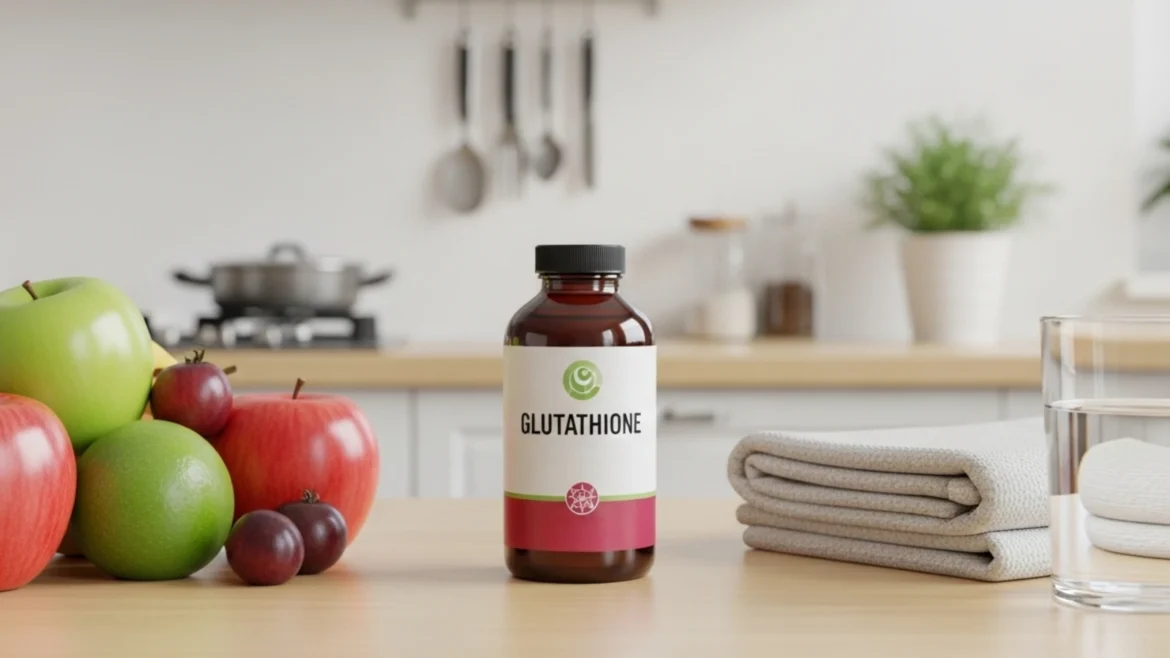
glutathione bottle placed on a kitchen table along with fruits and water

Glutathione has become a favorite in the world of health and beauty. Known as the “master antioxidant,” it helps protect your body from damage, supports your liver, and yes—brightens your skin too.

Many take it to achieve a more even skin tone, boost immunity, and detoxify the body. But as with any supplement, taking it the right way makes all the difference. Used properly, it can support your wellness journey. Used carelessly, it might not give the results you expect—or worse, may cause harm.

In this article, we’ll walk you through the dos and don’ts of taking glutathione. Whether you’re a beginner or already taking it, these tips will help you stay safe and see better results.

Highlights:
  • Glutathione supports skin brightening, detox, and immunity but it must be taken properly with the right dosage, form, and lifestyle habits.
  • Do consult a doctor, choose high-quality supplements, take Vitamin C, live healthily, and monitor your results for safe and effective glutathione use.
  • Don’t overdose, expect overnight changes, rely on glutathione alone, or use unverified IV drips, these can lead to risks and disappointing results.
  • Choosing high-quality products, consulting your doctor, and tracking your progress are essential to seeing real, long-term benefits.

What Is Glutathione, Really?

Glutathione is a natural antioxidant that your body produces on its own. It plays a big role in fighting off free radicals—those unstable molecules that damage cells. It also helps detoxify the liver and strengthen your immune system.

When it comes to skin, glutathione helps slow down melanin production. That’s why many people take it to brighten dark spots or even out their complexion.

You’ll find it in many forms: oral capsules, sublingual tablets (placed under the tongue), IV (intravenous) drips, and even creams. Each type works a little differently, but the goal is the same—boost your glutathione levels for better health and glowing skin.

The 5 Dos: What You Should Definitely Do

a beautiful asian woman touching her face

Photo from Canva Stock Images

1. Do Consult a Healthcare Professional First

Before anything else, talk to your doctor. This is especially important if you’re pregnant, breastfeeding, or have a medical condition. A professional can recommend the right dosage and help avoid unwanted side effects.

2. Do Choose High-Quality Supplements

Not all glutathione products are created equal. Look for “reduced glutathione” on the label—that’s the form your body can easily absorb. Stick to trusted brands that are FDA-approved or GMP-certified for safety and quality.

3. Do Take It With Vitamin C

Vitamin C helps your body absorb glutathione better. Many people take them together—usually in a 2:1 ratio (twice as much Vitamin C as glutathione). For example, if you’re taking 500 mg of glutathione, pair it with 1,000 mg of Vitamin C.

4. Do Maintain a Healthy Lifestyle

Glutathione works best when combined with good habits. Eat a clean diet, drink plenty of water, get enough sleep, and wear sunscreen. Also, avoid things that lower your glutathione levels—like smoking, drinking alcohol, and staying stressed.

5. Do Monitor for Results and Side Effects

Be patient. Most people start seeing changes after 4 to 12 weeks, but every body is different. Keep track of your energy levels, skin tone, and overall wellness. And if anything feels off, it might be time to adjust.

The 5 Don’ts: What to Avoid at All Costs

1. Don’t Exceed the Recommended Dosage

More isn’t always better. Taking too much glutathione can cause side effects like bloating, nausea, or even strain your kidneys or liver. Always follow the suggested dosage on the label—or better, your doctor’s advice.

2. Don’t Expect Overnight Results

Glutathione is not a miracle product. Results take time, especially if your goal is brighter skin. Avoid the pressure to “speed things up.” Trust the process.

3. Don’t Rely on It Alone for Skin Brightening

Think of glutathione as part of a bigger picture. Your skincare routine, sun protection, and even your genes all affect your results. Glutathione helps—but it’s not the only piece of the puzzle.

4. Don’t Use Unverified IV Glutathione Services

Be extra careful with IV treatments. If done in unlicensed clinics, they can be dangerous. Risks include allergic reactions or infections. Always check if the provider is certified and the facility is safe.

5. Don’t Ignore Signs of Allergies or Reactions

Some people experience rashes, breathing trouble, or stomach issues. If this happens, stop immediately and seek medical advice. Don’t push through it thinking it’s normal.

Glutathione Myths You Shouldn’t Believe

There’s a lot of buzz online, and not all of it is true. Let’s clear up a few myths:

  • “Glutathione will make me super white.”
    → It may brighten your skin, but results depend on your natural tone and other factors. 
  • “It’s natural, so it’s 100% safe.”
    → Even natural products can cause reactions or side effects. Your body’s response matters. 
  • “I don’t need Vitamin C.”
    → Actually, Vitamin C helps glutathione work better. Skipping it may lessen the effects.

Quick Reference Table: Dos and Don’ts at a Glance

Here’s a handy table to help you stick to the right habits and avoid common mistakes when taking glutathione:

DOsDON’Ts
Consult your doctor first before starting any supplementDon’t self-medicate or ignore health conditions
Choose high-quality supplements (look for “reduced glutathione” and trusted brands)Don’t buy cheap, unverified products with no certifications
Pair with Vitamin C for better absorptionDon’t skip Vitamin C—it boosts glutathione’s effects
Maintain a healthy lifestyle (clean diet, hydration, rest, SPF)Don’t rely on glutathione alone to fix skin or health issues
Track your progress patiently (results vary per person)Don’t expect overnight results or double the dosage for faster effects
Be alert to any side effects and consult a doctor if neededDon’t ignore allergic reactions or discomfort
Use trusted clinics for IV treatments (if needed)Don’t get IV drips from unlicensed or shady clinics

How to Spot a Trusted Glutathione Product

With so many glutathione products on the market, it’s easy to get overwhelmed. Not all supplements are created equal—and choosing the wrong one can mean poor results or wasted money. Here’s how you can identify a high-quality glutathione supplement:

a doctor in her office holding a tablet

Photo from Canva Stock Images

  • Look for “Reduced Glutathione” on the Label- This is the most effective and absorbable form. Avoid products that don’t clearly state the type of glutathione they contain. 
  • Check for Certifications – Choose brands that are GMP-certified, FDA-approved, or third-party tested. These ensure the product meets safety and manufacturing standards. 
  • Read the Ingredients List – Avoid supplements with unnecessary fillers, artificial colors, or added sugars. The shorter and cleaner the ingredient list, the better. 
  • Research the Brand – Look for transparency—brands should clearly show their manufacturing process, test results, and sourcing. Bonus points if they have positive, verified reviews. 
  • Choose the Right Form for You –  First, Capsules/tablets are convenient for daily use. Second, Sublingual forms (under the tongue) offer quicker absorption and IV drips can be effective but require proper medical supervision.

A trusted product gives you confidence—and gets you closer to your goals safely. When in doubt, bring the label to your doctor or pharmacist and ask for input.

Final Tips for Best Results

    • Be consistent—don’t skip doses. 
    • Keep a healthy lifestyle to support your results. 
    • Stay in touch with your doctor for regular guidance. 
  • Track your progress, but don’t obsess over fast results.

Conclusion: Use Glutathione the Smart Way

an asian woman looking at a bottle of glutathione after having breakfast

Photo from Canva Stock Images

When used properly, glutathione can truly support your skin and overall health in amazing ways. From its antioxidant power to its skin brightening potential, it offers real benefits—but only when taken responsibly. The key is not to rush results or fall for marketing hype. Instead, focus on consistency, pair it with healthy habits, and always consult a trusted medical professional. By following the dos and avoiding the don’ts, you give your body the best chance to respond well. And remember: everyone’s journey is different, so what works fast for one person may take longer for another.

There’s no magic pill, but with the right mindset, glutathione can be a smart addition to your wellness routine. Focus on quality, consistency, and the basics of good nutrition, hydration, sleep, and sun protection. Results may take time, but slow, steady progress often leads to healthier, more lasting changes. Stay informed, trust the process, and listen to your body along the way. In the end, glowing skin and better health aren’t just about appearance, they’re about feeling your best, inside and out.

FAQs

How long before I see results from glutathione?
It varies, but most people notice changes in 4 to 12 weeks with consistent use.

Can I take glutathione daily?
Yes, but always follow dosage instructions or your doctor’s advice.

Is it safe to take glutathione and collagen together?
Yes! They work well together and support healthy skin from the inside out.

Can men take glutathione too?
Absolutely. Glutathione benefits everyone, regardless of gender.

0 comments
0 FacebookTwitterPinterestEmail
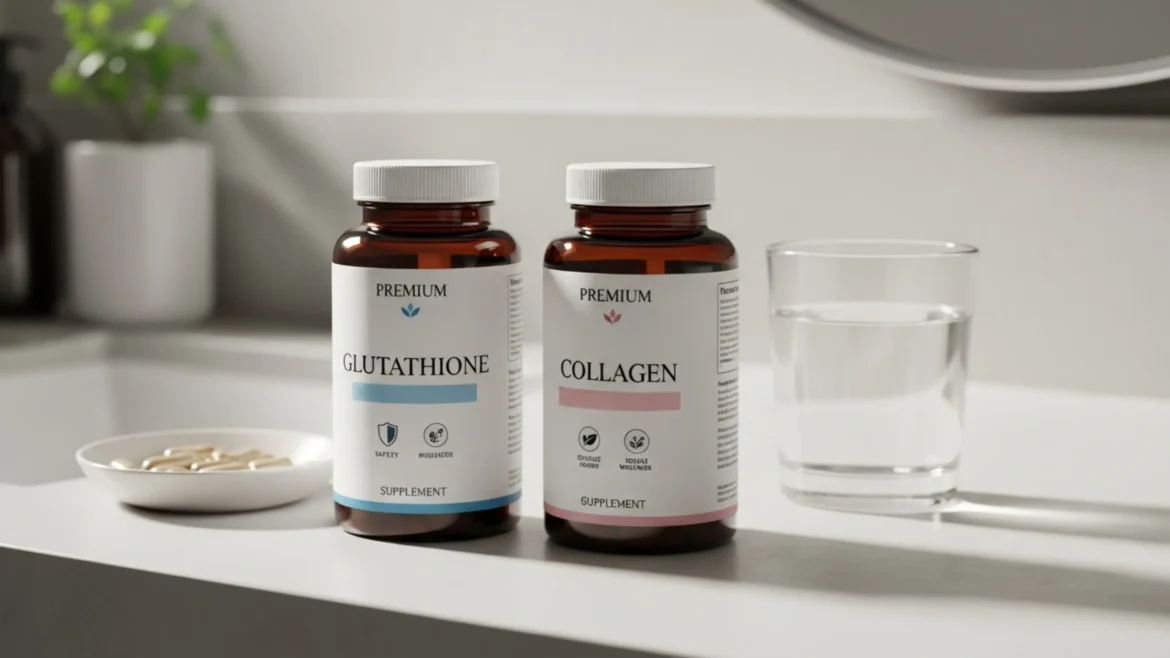
One bottle labeled Glutathione and the other Collagen with elegant minimalist packaging that conveys health purity and safety on a kitchen counter

You’ve probably seen them everywhere from beauty blogs to supplement shelves. Glutathione and collagen are two of the hottest names in the wellness world. But what exactly are they? Glutathione is often called the “master antioxidant.” It helps fight oxidative stress, supports the liver, and even brightens the skin. On the other hand, collagen is the protein that keeps your skin firm, joints flexible, and hair and nails strong. 

Together, they promise glowing skin, youthful energy, and better overall health. But here’s the big question: Is it safe to take them every day? Let’s break it down.

Highlights:
  • Daily doses of glutathione and collagen are generally safe for healthy adults when taken at the right amount and paired with a healthy lifestyle.
  • Glutathione may boost skin brightness and energy in a few weeks, while collagen supports skin, hair, and joints over 4–8 weeks.
  • Not for everyone—those with medical conditions, allergies, or taking medications should consult a doctor before adding these to their routine.

Daily Dose Drama: How Much Is Too Much?

a woman in the kitchen about to take glutathione and collagen

This visual was rendered with the help of an image generator.

Let’s start with dosage. Most supplements provide glutathione in doses of 250–500 mg daily. For collagen, you’ll often find 2.5 to 10 grams per serving. These fall within the range commonly considered safe for healthy adults.

But just because it’s “natural” doesn’t mean more is better. Too much glutathione may cause mild side effects like bloating or cramping. Meanwhile, overdoing collagen won’t turn you into a supermodel overnight—it might just upset your stomach.

So yes, you can take them daily—but always stick to the recommended amounts. And remember, moderation isn’t just good advice for chocolate cake.

Quality Over Hype: What to Look for in a Supplement

Not all supplements are created equal. Some are packed with fillers, sugars, or low-quality ingredients. For glutathione, look for “reduced glutathione” or liposomal formulas, which are more bioavailable—meaning your body can absorb them better. For collagen, choose types I and III for skin, hair, and nails, and type II for joints.

Bonus tip: Choose products with third-party testing or certifications. That way, you know you’re getting what the label promises.

Beauty Inside Out: What Happens When You Take Them Daily?

a woman drinking a juice infused with glutathione and collagen in the kitchen

This visual was rendered with the help of an image generator.

Now for the fun part—what actually happens when you make glutathione and collagen part of your daily wellness routine? While results vary from person to person, here’s a simple table to help you understand the common benefits and expected timelines for each supplement:

SupplementWhen You Might See ResultsCommon Benefits Reported
Glutathione2–4 weeks

✦ Brighter, more even-toned skin

✦ Increased energy and mental clarity

✦ Better quality of sleep

Collagen4–8 weeks

✦ Smoother, firmer skin

✦ Stronger nails and hair

✦ Reduced joint stiffness or pain

Keep in mind: These supplements are not magic pills. Their effectiveness depends on factors like age, sleep, stress levels, and overall diet. Think of them as supportive teammates—not miracle workers. They work best with a healthy lifestyle, not instead of one.

Know Before You Glow: Who Should Skip It?

Even the best supplements have their limits. While glutathione and collagen are generally safe for many people, they’re not for everyone.

If you’re pregnant or breastfeeding, it’s wise to hold off unless your doctor gives the green light. Your body is already going through a lot, and it’s best to avoid unnecessary risks. People with liver or kidney issues should also be careful, especially with glutathione. Since these organs help process the supplement, adding extra strain could cause more harm than good.

Meanwhile, collagen comes in many forms—marine, bovine, even chicken-based. If you have allergies to fish, shellfish, or eggs, check the label before taking anything. Some powders hide these ingredients in the fine print. Also, if you’re on medications for blood pressure, cholesterol, or autoimmune conditions, talk to your doctor. Supplements can interact in ways you might not expect.

Bottom line? Your health comes first. When in doubt, always ask before you add.

Real Talk: Should You Take Both at the Same Time?

Short answer? Yes, you can! In fact, many people do take glutathione and collagen together. They work in different ways but support similar goals—glowing skin, healthy aging, and cellular repair.

Some brands even offer them as combo drinks or powders. Just make sure the total dosage still fits within the safe range. And of course, listen to your body. If something feels off, take a break and check in with a healthcare professional.

Doctor Knows Best: Ask Before You Add

Before jumping into any supplement routine, check with a medical professional. Especially if you’re taking other medications or have a chronic condition. Even if your favorite influencer swears by their glowing skin routine, what works for them might not work the same for you. It’s your body, your rules. So go ahead—ask questions, read labels, and take your time. Wellness isn’t a race. It’s a journey, and you deserve to feel good along the way.

Final Verdict: Safe, Smart, and Absolutely Worth Considering

a beautiful asian woman looking at the camera

This visual was rendered with the help of an image generator.

So, is taking glutathione and collagen daily a good idea? For most healthy adults, the answer is a confident yes—as long as you choose quality products and follow the recommended doses. These two supplements can be wonderful additions to your daily routine. With consistent use, many people notice real improvements in skin health, energy, and overall well-being.

Think of them as powerful partners that support your body’s natural beauty and healing processes. They’re not quick fixes, but with patience and a balanced lifestyle, they can help you feel and look your best.

In the end, it’s all about making smart, informed choices. With the right guidance and a little consistency, glutathione and collagen can absolutely be part of a glow-up routine that’s both safe and rewarding.

Frequently Asked Questions (FAQs)

Can I take glutathione and collagen at the same time?

Yes! Glutathione and collagen can be taken together without issues. In fact, many people combine them to support both inner health and outer beauty. Just make sure you’re not exceeding the recommended daily dosage for either.

What time of day is best to take these supplements?

There’s no strict rule, but many prefer to take collagen in the morning or with breakfast, and glutathione on an empty stomach for better absorption. Still, consistency matters more than timing—pick a routine that works for you.

Are there any side effects?

Most people tolerate both supplements well. However, high doses of glutathione may cause bloating or cramping in some. Collagen may lead to mild digestive discomfort. Always start with the suggested dose and monitor how your body responds.

How long before I see results?

Results vary! For glutathione, some people notice brighter skin and better energy within 2–4 weeks. Collagen typically takes 4–8 weeks for visible improvements in skin, hair, nails, or joints. Patience and consistency are key.

Do I need to take them forever?

Not necessarily. Many use them for long-term maintenance, while others take them in cycles. It depends on your health goals and how your body responds. Always check in with a healthcare provider if unsure.

Are these supplements suitable for vegetarians or vegans?

Most collagen supplements are animal-derived (bovine, marine, or chicken), so they’re not vegetarian or vegan. Glutathione, however, can be plant-based—check the label or look for vegan-certified options.

0 comments
0 FacebookTwitterPinterestEmail