
Tag:

cardiovascular health

a smiling asian woman holding a nmn capsule

As the years pass, our hearts and blood vessels quietly work harder to keep us healthy. Yet age naturally brings changes that challenge cardiovascular health. Arteries stiffen, circulation slows, and the heart muscle faces more strain. It’s no wonder more people are looking for ways to support their heart as they grow older.

Lifestyle habits—like regular exercise, a balanced diet, and good sleep—remain the foundation of a strong heart. But lately, emerging supplements have sparked excitement. One of the most talked-about is NMN, or nicotinamide mononucleotide. Scientists are exploring whether this small molecule could help keep blood vessels youthful and circulation strong. Can a simple molecule really help your heart age more gracefully? Let’s take a closer look.

Highlights
  • NMN may support cardiovascular health by boosting NAD+ levels, improving blood flow, and maintaining flexible, healthy blood vessels.
  • Early research suggests NMN can help reduce oxidative stress, support endothelial function, and enhance heart muscle energy via mitochondria.
  • NMN works best alongside lifestyle habits like regular exercise, a balanced diet, quality sleep, and stress management for overall heart-healthy aging.

NMN 101: Fuel for Your Cells
nad+ booster capsules and bottles with blue backgroundThink of NMN as a building block. In simple terms, it is a compound naturally found in our bodies and in small amounts in foods like edamame, broccoli, and avocado. NMN’s main role is to help produce NAD+ (nicotinamide adenine dinucleotide), a coenzyme present in every cell.

NAD+ is like a battery pack for your cells. It powers energy production, supports DNA repair, and keeps essential processes running. Unfortunately, NAD+ levels decline as we age. This drop is linked to fatigue, slower cell repair, and—yes—changes in heart and blood vessel health.

By boosting NAD+ levels, NMN may help cells, including those lining blood vessels and heart tissue, function more efficiently. That’s where the NAD+–cardiovascular connection begins: healthier cells mean stronger, more flexible vessels and a heart better equipped to handle the years ahead.

 How Aging Challenges Your Heart and Blood Vessels

As we grow older, our cardiovascular system faces a trio of changes:

  •  Loss of vascular flexibility. Arteries naturally become stiffer with age. This reduces their ability to expand and contract as blood flows, making it harder to maintain healthy circulation.
  • Common age-related issues. Poor circulation, arterial stiffness, and rising blood pressure often creep in over time. These changes increase the risk of heart disease and other complications.

Why vessel health matters.

Your blood vessels are like highways delivering oxygen and nutrients. When they lose elasticity or suffer damage, every organ feels the impact. Supporting vessel health is, therefore, key to staying energetic and active well into later life.

4 NMN’s Potential Cardiovascular Benefits
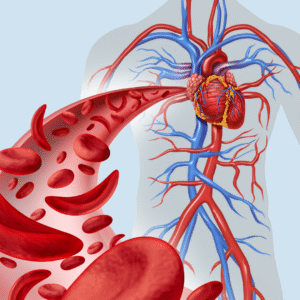
an image of a blood vessel and heart on a blue backgroundResearch is still unfolding, but early evidence suggests that NMN may deliver several heart friendly effects. These potential benefits revolve around supporting healthy circulation, protecting blood vessels, and maintaining the heart’s energy supply as we age.

1. Improved blood flow and circulation.

Preclinical research and small human trials indicate that NMN supplementation can enhance microcirculation—the network of tiny capillaries that deliver oxygen and nutrients to every cell. When microcirculation functions well, tissues receive the fuel they need and metabolic waste is removed more efficiently. This is crucial because sluggish blood flow can lead to fatigue, slower healing, and a higher risk of heart-related problems. By helping sustain this fine-tuned delivery system, NMN may promote a steady, youthful flow of blood throughout the body.

2. Supporting endothelial function.

The endothelium, the delicate inner lining of blood vessels, plays a key role in controlling vascular tone and blood pressure. A healthy endothelium produces nitric oxide (NO), a natural molecule that signals blood vessels to relax and widen. As we age, nitric oxide production often declines, which can contribute to rising blood pressure and stiffened arteries. Early findings suggest that NMN boosts NAD+ levels within endothelial cells, which may help preserve NO production. This, in turn, supports flexible blood vessels and smoother, more stable circulation.

3. Combating oxidative stress and inflammation.

Aging is often accompanied by oxidative stress—the accumulation of damaging free radicals—and low-grade chronic inflammation. Together, these processes can injure the walls of blood vessels, hasten plaque buildup, and increase the risk of cardiovascular disease. By raising NAD+ levels, NMN appears to help cells activate natural repair pathways and antioxidant defenses. This may reduce cellular damage, limit inflammatory signals, and protect arteries from long-term wear and tear.

4. Heart muscle and mitochondrial health.
a heart pin beside a stethoscope on top of a electrocardiogram results.Your heart is a tireless engine, beating about 100,000 times a day. To keep up this effort, heart muscle cells rely on mitochondria, the energy generators inside every cell. Over time, mitochondrial function can weaken, leading to reduced energy output and decreased resilience of the heart muscle. NMN has shown potential to improve mitochondrial efficiency by supporting NAD+-dependent enzymes that drive energy production. Stronger, more efficient mitochondria mean the heart can pump blood more effectively and recover from daily stress more easily.

In short, NMN may help the cardiovascular system age more gracefully by supporting blood flow, preserving vessel flexibility, reducing oxidative damage, and energizing the heart itself. While further large-scale human studies are needed, these early insights point to NMN as a promising ally for long-term heart health.

What the Research Says

Preclinical research is promising. Animal studies consistently show NMN improving vascular health and endurance. For example, older mice given NMN demonstrated improved blood vessel function and better blood flow.

Human data, while limited, is growing. Early trials report increased NAD+ levels and potential benefits for insulin sensitivity and vascular function. However, these studies often involve small groups and short timelines. Experts agree that larger, long-term trials are needed before NMN can be recommended as a proven therapy.

Still, the scientific momentum is encouraging. Many researchers see NMN as a key player in the future of healthy aging research.

Supporting Circulation with NMN and Healthy Habits

Adding NMN to your routine works best when it’s part of a bigger heart-healthy lifestyle. Supplements can give your cells extra support, but everyday habits still matter most. Here’s how you can pair NMN with proven circulation boosters.

AreaKey PointsHow to Combine With NMN
Suggested dosage and formsEarly studies have explored 250–500 mg per day, usually as capsules or powder. There is no official recommended dose yet.Take NMN only under medical guidance, especially if you have existing health conditions or are on prescription medication. Your doctor can help you decide if NMN fits your heart-health plan.
Lifestyle synergyNMN works best alongside regular exercise, balanced nutrition, good sleep, and stress management.

Exercise + NMN: Brisk walking, cycling, or swimming enhances NMN’s potential to support blood flow.

Sleep & Stress + NMN: 7–9 hours of quality rest and relaxation practices such as meditation reinforce NMN’s role in cellular repair.
Diet + NMN: A Mediterranean-style diet—rich in fruits, vegetables, fish, and healthy fats—amplifies NMN’s cell-energy benefits.

Other nutrients + NMN: CoQ10 or omega-3s (with professional advice) may complement NMN for overall cardiovascular support.

Safety and Possible Side Effects

Current studies suggest that NMN is generally well tolerated. Reported side effects are mild, such as digestive discomfort in some users. But because research is still in its early stages, long-term effects remain unknown.

People with chronic illnesses or those taking medications for heart disease, diabetes, or blood pressure should consult a healthcare professional before trying NMN. It’s always best to avoid self-prescribing.

Other Natural Ways to Boost Circulation

NMN isn’t the only path to better blood flow. Simple habits make a big difference:

  • Move more. Regular physical activity—walking, swimming, dancing—keeps blood vessels flexible. 
  • Maintain healthy blood pressure. Monitor it regularly and manage it through diet and stress reduction. 
  • Eat circulation-friendly foods. Flavonoid-rich berries, dark chocolate, and nitrate-rich vegetables like beets and leafy greens naturally support nitric oxide production. 
  • Stay hydrated and manage stress. Drinking enough water and practicing relaxation techniques like meditation help keep your heart in balance.

Conclusion: A Balanced Approach to Heart-Healthy Aging

a doctor holding a 3d heart

NMN offers exciting possibilities for keeping your blood vessels youthful and supporting circulation as you age. By raising NAD+ levels, it may help combat arterial stiffness, oxidative stress, and declining endothelial function.

But remember, NMN is not a magic pill. The foundation of cardiovascular health remains a mix of regular exercise, nourishing food, restful sleep, and stress management. Supplements like NMN can be a helpful addition, but they work best as part of a holistic plan.

Before adding NMN to your routine, talk to your doctor. A personalized plan ensures your heart—and your entire body—ages as gracefully as possible.

Frequently Asked Questions (FAQs)

How soon can I feel NMN’s effects on circulation?
Human studies are still limited, so there is no clear timeline. Some people report more energy within weeks, but measurable heart benefits may take months and more research is needed.

Can NMN lower blood pressure?
Early research suggests it may help support healthy blood pressure by improving vessel function, but it is not a replacement for prescribed medication.

Is NMN safe to take daily?
So far, studies using moderate doses have not found serious side effects. Still, consult your healthcare provider for guidance.

Do I still need exercise and a healthy diet if I take NMN?
Absolutely. NMN works best alongside regular movement, balanced nutrition, and good sleep. Supplements cannot replace healthy habits.

0 comments
0 FacebookTwitterPinterestEmail
healthcare worker taking bp of patient

In the pursuit of a healthy and fulfilling life, prioritizing health becomes a cornerstone of personal well-being. Central to this commitment are health screenings—a proactive approach to understanding and managing potential health risks. As I reflect on my own wellness journey, I’ve come to recognize the profound impact of prioritizing health through essential screenings. 

In this article, we will explore the most crucial health screenings that individuals should consider as integral components of their well-rounded healthcare strategy.

Cardiovascular Health: Unveiling the Invisible Threats

One of the most critical screenings for individuals of all ages is a comprehensive cardiovascular health assessment. Beyond the routine blood pressure checks, screenings for cholesterol levels, and assessments for blood sugar levels offer valuable insights into the invisible threats that can lead to heart disease and related complications. As I underwent these screenings, I gained a heightened awareness of my heart health and the lifestyle adjustments needed to maintain optimal cardiovascular well-being.

Cancer Screenings: A Vigilant Defense Against Silent Invaders

Cancer, often referred to as the silent invader, can manifest without obvious symptoms in its early stages. Regular screenings for common cancers, such as breast, colorectal, and prostate cancers, serve as a vigilant defense. 

These screenings enable early detection when intervention is most effective. My own experience with cancer screenings highlighted the importance of proactive surveillance, empowering me with the knowledge to make informed decisions about my health.

Blood Tests: Unveiling the Body’s Inner Workings

Comprehensive blood tests are the window into the body’s inner workings, offering a holistic view of overall health. From assessing organ function to detecting nutritional deficiencies, these screenings are invaluable. 

As I reviewed my blood test results, I gained insights into areas that required attention, prompting lifestyle adjustments and fostering a deeper understanding of the intricate balance that sustains health.

Bone Density Screening: Safeguarding Skeletal Health

Often overlooked, bone density screenings are crucial, especially as we age. These assessments help identify conditions like osteoporosis, which can compromise bone strength and increase the risk of fractures. 

Through my own experience with bone density screenings, I became attuned to the importance of preserving skeletal health through proper nutrition, weight-bearing exercises, and, if necessary, medical interventions.

Vision and Hearing Checks: Preserving Senses for a Fuller Life

The health of our senses—vision and hearing—significantly contributes to our quality of life. Regular vision and hearing checks are not just about correcting impairments but are instrumental in preventing further deterioration. My own journey with these screenings emphasized the importance of preserving these vital senses for a fuller, more engaged life.

Diabetes Screenings: Navigating the Silent Epidemic

In the realm of silent epidemics, diabetes takes center stage. Regular screenings for blood sugar levels, especially for individuals with risk factors like family history or obesity, are imperative. 

As I underwent diabetes screenings, I recognized the silent threat that looms, and the proactive steps needed to manage and prevent this pervasive condition through lifestyle adjustments and, if necessary, medical interventions.

Skin Cancer Screenings: Detecting Danger on the Surface

Our skin, the body’s largest organ, is vulnerable to the threat of skin cancer. Regular skin cancer screenings, including self-examinations and professional dermatological checks, are essential. Through my own encounters with skin cancer screenings, I gained an appreciation for the importance of sun protection, early detection, and the role of dermatologists in safeguarding skin health.

Thyroid Function Tests: Balancing the Metabolic Symphony

The thyroid, a small gland with outsized significance, plays a pivotal role in regulating metabolism. Thyroid function tests provide insights into the gland’s activity and help identify conditions like hypothyroidism or hyperthyroidism. My journey with these screenings revealed the delicate balance required for optimal metabolic function and the impact of thyroid health on overall well-being.

healthcare workers discussing patient exam results

Colonoscopies: A Critical Intervention Against Colorectal Threats

Colorectal cancer is a significant threat, often preventable through early detection and intervention. Colonoscopies, while perhaps intimidating, are powerful tools in the fight against colorectal cancer. 

My experience with this screening underscored the importance of overcoming any reservations, as the potential benefits far outweigh the momentary discomfort, offering a proactive means of preserving colorectal health.

Lung Health Assessments: Navigating Respiratory Wellness

In an era where respiratory health is in the spotlight, lung health assessments gain paramount importance. Beyond addressing respiratory symptoms, lung function tests and imaging screenings contribute to early detection of conditions like chronic obstructive pulmonary disease (COPD) or lung cancer. 

My own encounters with lung health assessments highlighted the need for a holistic approach to respiratory wellness, encompassing not only screenings but also lifestyle choices that support lung function.

Eyes on the Prize: Regular Eye Examinations

In the intricate tapestry of health, our eyes play a pivotal role, providing us with a window to the world. Regular eye examinations go beyond correcting vision impairments; they serve as proactive guardians of ocular health. 

Through my experiences with eye screenings, I uncovered the importance of early detection for conditions like glaucoma and macular degeneration. These screenings not only safeguard visual acuity but also contribute to a comprehensive understanding of overall health.

The Kidney Chronicle: Renal Function Tests

Our kidneys silently perform a vital role in filtering waste and maintaining fluid balance within our bodies. Renal function tests dive into the kidney chronicle, offering insights into their efficiency and identifying potential issues. 

As I delved into my own renal function screenings, I realized the significance of these tests in preserving not just kidney health but also the delicate equilibrium of our internal terrain.

The Power of Genetic Screening: Unraveling Inherited Risks

In the era of personalized medicine, genetic screenings have emerged as powerful tools for understanding inherited risks. These screenings delve into our genetic code, unveiling predispositions to certain conditions. 

My exploration of genetic screenings illuminated the potential for proactive measures, allowing individuals to tailor their lifestyles and healthcare strategies based on their unique genetic makeup.

young female doctor speaking with an elderly male patient

Prostate Health: PSA Tests for Men’s Wellness

For men, prioritizing health extends to prostate screenings, particularly through Prostate-Specific Antigen (PSA) tests. These screenings contribute to the early detection of prostate issues, including prostate cancer. 

As I navigated discussions around PSA screenings, I recognized the importance of informed decision-making, acknowledging that individual preferences and risk factors play a significant role in shaping the approach to prostate health.

Comprehensive Metabolic Panels: Holistic Health Insights

Comprehensive metabolic panels stand as holistic health barometers, providing a broad spectrum of information about our body’s vital functions. These panels encompass markers for liver function, electrolyte balance, and blood glucose levels. 

My journey with comprehensive metabolic screenings underscored the interconnectedness of various bodily systems, emphasizing the need for a comprehensive approach to health and wellness.

Sexual Health Screenings: Beyond Taboos

Sexual health is an integral facet of overall well-being often shrouded in societal taboos. Regular screenings for sexually transmitted infections (STIs) foster a proactive approach to sexual health. 

As I engaged in conversations around sexual health screenings, I discovered the importance of open dialogue, reducing stigma, and normalizing routine screenings for a comprehensive approach to well-rounded health.

The Mind Matters: Mental Health Assessments

In the mosaic of health, mental well-being occupies a significant space. Mental health assessments, often overlooked, are pivotal in understanding and addressing conditions such as anxiety, depression, and cognitive function. 

My personal encounters with mental health screenings emphasized the need to destigmatize conversations around mental well-being, recognizing it as an integral component of our overall health.

Bone Health: DEXA Scans for Osteoporosis Detection

As we age, preserving bone health becomes increasingly crucial. Dual-energy X-ray absorptiometry (DEXA) scans offer a detailed assessment of bone density, aiding in the early detection of osteoporosis. 

Through my experiences with DEXA scans, I gained insights into the proactive measures needed to fortify bone health, emphasizing the role of nutrition, exercise, and, when necessary, medical interventions.

Hormone Level Assessments: Balancing the Endocrine Symphony

Hormones orchestrate the delicate balance of our endocrine system, influencing various aspects of health. Hormone level assessments provide insights into the functioning of glands such as the thyroid, adrenal, and reproductive organs. Navigating through my own hormone level screenings, I discovered the profound impact of hormonal balance on energy levels, mood, and overall vitality.

Digestive Health: Endoscopies for Comprehensive Assessments

Our digestive system plays a central role in nutrient absorption and overall health. Endoscopic screenings, such as colonoscopies, gastroscopies, and endoscopies, offer comprehensive assessments of the digestive tract. 

My journey with these screenings illuminated the intricate connection between digestive health and overall well-being, emphasizing the need for regular check-ups to detect and address potential issues.

A Holistic Symphony of Wellness

In the grand orchestration of health, these additional screenings weave intricate melodies into the symphony of well-being. Each screening, a unique note, contributes to a holistic understanding of our bodies and minds. As we prioritize health through this diverse array of screenings, we embark on a journey of empowerment—a journey that encompasses not just the absence of illness but the cultivation of vibrant, resilient, and flourishing lives. May these screenings serve as guides, illuminating our path toward a future where health is not merely a destination but an ongoing, harmonious exploration of self-care and vitality.

0 comments
0 FacebookTwitterPinterestEmail