Category:

Body

The significance of our joints cannot be overstated.

Aside from helping us move and providing us with the much needed support, the joints also form the connections between the bones of the body.

Joint pain brought about by injury or disease will not only result to a lot of pain but will most likely also impede your movements.

Joint pain can be a result of a lot of conditions—gout, rheumatoid arthritis, sprains, osteoarthritis, and strains to name a few.

Joint pain can also be debilitating or just mildly irritating.

Acute joint pains usually disappear after a few weeks.

Chronic joint pains on the other hand can linger for several months.

Whatever the case may be, what is certain is that joint pain can definitely impact your quality of life.

Prevention

Spare yourself from the inconvenience and aches joint pain can bring by taking to heart the following tips:

Get rid of the excess pounds

You may not be aware of it but the more obese or overweight you are, the more strain you are likely to put on your hips, knees, and back.

If you have been finding it hard to keep the excess pounds off, you might want to consider getting professional help.

Your doctor will be able to provide guidance and recommend programs you can try to safely and effectively get rid of the extra pounds.

If anything, find motivation in the fact that losing even just a pound can take as much as four pounds of pressure from your knees.

That should get you off to a good start if you want to get rid of joint pain once and for all.

Exercise and stay active

exercising is a great way to prevent joint pain

This golden rule will do you a whole lot of good especially if you want to keep joint pain at bay.

The more you exercise and stay active, the lesser you’ll experience stiffness and joint pain.

Also, show your joints some love by changing positions every now and then while you are reading, working, or watching your favorite shows on TV.

Ensure you also leave your desk every once in a while so you’d be able to move and effectively keep stiffness at bay.

Do only low-impact exercises

If you want to stay fit but you want to take good care of your joints at the same time, opting for low-impact exercises is the best way to go.

Thankfully, there’s no limit to the number of low-impact exercises available at your disposal.

Joint friendly exercises you can consider include bicycling, walking, strength training, and swimming.

Treatment

For those who are already suffering from joint pain, it is reassuring to know that there are plenty of effective treatment options available at their disposal.

Some of the treatment options include:

Medications

If you have joint pain that ranges from moderate to severe (coupled with swelling), over-the-counter or prescription non-steroidal anti-inflammatory drugs are the likely option.

Aspirin, ibuprofen, and naproxen sodium are some of the likely medications that will be prescribed.

However, if you experience mild pain sans swelling, acetaminophen would be given.

If your joint pain is severe, your doctor may prescribe a strong opioid medication.

However, since opioids can cause drowsiness, it should only be taken upon the doctor’s recommendation.

Topical Agents

When it comes to relieving joint pain brought about by arthritis (or other conditions), capsaicin has been proven effective.

While it can sometimes cause burning or stinging, it has no other known side effect.

Injections

If oral and topical medications won’t provide the much needed relief, a steroid medication injected directly in the joints might be recommended.

The injection is administered every three to four months.

Steroid injections are often the treatment recourse for patients suffering from arthritis, tendinitis, and other joint diseases.

Physical Therapy

Your physical therapist can help effectively strengthen your muscles, stabilize your joint, and improve your motion range.

They also make use of various techniques like ultrasound, electrical nerve stimulation, and cold or heat therapy to provide the much needed relief.

Joint pain keeping you down and hindering you from enjoying a pain-free existence? Let the experts at www.bjios.sg help you out.

0 comments
0 FacebookTwitterPinterestEmail

Once considered high-tech, joint replacement has now become very common.

In fact, statistics show that more than one million hip and knee replacement surgeries are performed annually.

And that’s in the United States alone.

Undoubtedly, the popularity of the procedure can be attributed primarily to its life-changing attributes.

Studies indicate that a staggering 90 percent of individuals who have had joint replacement surgery experience enhanced mobility and significant pain relief.

When is hip and knee replacement necessary?

There are certain key elements surgeons take into consideration before joint replacement surgery is considered.

Some of the key elements include:

  • Poor quality of life – aside from the pain it causes, doctors would need to gauge if the joint problem is already affecting the patient’s quality of life. Is the patient’s mood affected? Is the patient limited by the condition?
  • Pain and stiffness – for patients who experience severe pain and are no longer able to carry out routine day-to-day activities (i.e. getting up from the chair, climbing, walking, etc.), joint replacement surgery is often the likely course of treatment.
  • Deformity – when the leg becomes severely bowed or swollen, joint replacement will be recommended.
  • Bone damage – when there is severe bone damage due to osteoarthritis or other conditions, joint replacement becomes the primary option.

However, even if patients are able to meet all the necessary requirements, other factors would need to be considered to further assess if surgery is indeed the best option.

To help determine if surgery is the best treatment route, the following questions should be asked:

Have all the other less invasive treatment options been exhausted?

Without doubt, joint replacement injuries are not only common nowadays, they are also known to be highly safe and effective.

However, just like any other surgeries, they come with certain risks.

Recovery can also take several months.

As a general rule of thumb, it is ideal to exhaust all the other nonsurgical options first and consider surgery as the last resort.

Is the patient willing to make the necessary changes?

In order to achieve the maximum result, patients who undergo joint replacement surgery would need to be dedicated and focused on making the necessary changes after the surgery

In order to achieve the maximum result, patients who undergo joint replacement surgery would need to be dedicated and focused on making the necessary changes after the surgery.

In other words, they need to be prepared to lead a healthier lifestyle—losing the excess pounds, eating healthier, and exercising more.

Are there people who can help the patient while recovering?

Recovering from joint surgery without any help can be extra challenging, if not impossible.

At the very least, help will be needed in food preparation, wound dressing, and getting dressed.

Help should be available, especially the first few weeks after the surgery.

If there are no family members or close friends available to help, it would be best for the patient to first check for rehab facilities they can check in after the surgery.

Doing so will help ensure they’d have the needed help they need while recovering.

Although joint replacement is a treatment option readily available, it is not the best treatment course under the following scenarios:

  • Infection – for patients who have had recent body infections, joint replacement surgery is not advised. This is done to ensure infection does not spread to other areas after the surgery. When the infection spreads, it might result to more serious issue that might even require further surgery.
  • Other health issues – patients with a history of uncontrolled diabetes, heart attack, or stroke are not advised to have joint replacement surgery as their complication risk is relatively higher. Patients who are obese are also required to lose the excess pounds prior to the surgery.
  • Cause of pain – understandably, surgeons need to make sure the source of pain is really the joint damage. Bear in mind that there are other likely reasons for hip or knee pain or damage that surgery cannot fix.

Not sure if hip or knee replacement is ideal in your case? Get expert help from the able specialists at www.bjios.sg now.

0 comments
0 FacebookTwitterPinterestEmail

The significance of the bones in the body cannot be overemphasized.

Aside from serving as protection for the body’s organs, it also serves as attachment points for the muscles and makes movements like kneeling, lifting, running, jumping, and sitting possible.

When force is exerted on the bones after a blow or fall, it might not be able to withstand the trauma and will break.

The loss of integrity will more often than not result to bone fractures.

In some instances, bone fractures do not occur as a result of blows or falls.

In the case of those people who are suffering from osteoporosis for instance, it won’t require much for the bone to break. This is especially true if the bone has become brittle secondary to lack of calcium.

Bone fractures are classified based on some of the following factors:

  • The bone alignment
  • Whether complications in nerve or blood function as present
  • Whether the skin of the site of the injury is intact

Some of the most prevalent types of bone fractures include:

Broken Hip


Individuals who are 75 years old and above are highly susceptible to hip fractures.

While the injuries are often attributed to falls and trauma, some cases of broken bones can be traced back to osteoporosis.

In most cases, surgery will be the likely treatment option.

It will however depend on the fracture’s location in the femur.

Broken Hand or Fingers

Since the hands and fingers are often used in day-to-day activities, injuries to them are very common.

Aside from checking for any broken bones, health care professionals will also assess if there are damage to the tendons or the nerves.

If the fracture is complicated, the patient will most likely be referred to an orthopedic or hand specialist.

While not many are aware of it, the anatomy of the hand is very complex and will require specialized attention.

While some cases will only need splinting or casting, others will need surgery.

Compression Fractures

Compression fractures often result from injury, osteoporosis, or trauma.

  • Compression fractures that are secondary to injury, they can come with spinal cord or nerve root irritation.
  • People suffering from osteoporosis lack calcium in their bones. Aside from weak bones, vertebrae of patients suffering from osteoporosis also tend to get weak. This can result to difficulty in holding up against the force of gravity. Eventually, this can also lead to compression.
  • Compression fractures can also be attributed to falls as well as motor vehicle crashes.

Skull Fractures

The skull functions as protection for the brain.

While a massive blow is required to cause a fracture, fractures of any kind to the skull are not to be taken lightly.

Bleeding of the injured site and localized swelling are often considered telltale manifestation of skull fractures.

Skull fractures have different types:

Basilar skull fracture

This type refers to the damage that occurs to the bone situated at the base of the brain. Common indicators of basilar fracture include bloody drainage from either the ear or nose, bruising at the left ear (battle’s sign), and bruising around the eyes (raccoon eyes).

Depressed skull fracture

Depressed skull fractures occur when is the bone is broken, with the bone fragments pushed inwards.

While surgery might be an option, it would still depend on the depression depth and if there are damage to the brain tissues.

Open skull fracture

This type of skull fracture occurs when the scalp becomes lacerated and the possibility the wound will connect with the meninges becomes highly likely. The meninges are the brains’ fibrous covering.

In most cases, surgery will be performed to help ensure infection is kept at bay.

To know more about your fractures and how they can be treated accordingly, head to www.bjios.sg now.

0 comments
0 FacebookTwitterPinterestEmail

To think only those individuals who engage in intense sports are susceptible to foot and ankle injury is a gross misconception.

If truth be told, most people have (and will most likely) experience foot and ankle injury at one point in their lives or another.

While most movements will not result to injuries, some symptoms can be attributed to everyday wear and tear as well as overuse.

In majority of the cases, injuries of the foot and ankle often occur during:

  • Sports or recreational activities
  • Chores or projects done at home
  • Chores that are work-related

Soccer and basketball players, gymnasts, and dancers are highly susceptible to foot and ankle injuries as opposed to those who are not engaged in the fields as physically challenging and competitive.

For older adults, osteopenia (loss of bone strength) and muscle mass will often predispose them to injuries and fractures. Vision and balance problems will also significantly increase their injury risk.

Foot and ankle injuries in children can often be attributed to falls, sports, and play. Those that sustain bone injuries near the joint will have to be assessed accordingly as the physis (grown plate) might be compromised.

Fortunately, minor cases of foot and ankle injuries will often respond well to home treatments.

However, acute injuries that resulted from jamming, bending, fall, twisting, direct blows, etc. will require immediate medical attention.

This is especially true when bruising and swelling will manifest.

Other conditions that will need instant medical attention include:

Sprains

Sprains that are persistent are sometimes attributed to a condition known as osteochondritis dissecans

Sprains that are persistent are sometimes attributed to a condition known as osteochondritis dissecans. To play safe, it would be best to check with a doctor right away so the condition is resolved before it complicates.

Puncture wounds

Sharp objects like needles, nails, tacks, and knives often cause puncture wounds. Sans treatment and medical attention, puncture wounds can result to infections.

Strains

Pulled muscles in the ankle or foot can be subjected to strains. In worse case scenarios, it can lead to ruptures.

Contusions

In some instances, contusions or bruising can occur during foot and ankle injuries. To ensure your safety and to ease any pain you might experience, consider seeing the doctor a must.

Thankfully, there is no shortage of treatment options available for foot and ankle injuries—physical therapy, first aid measures (brace, splint, and cast), special shoes (with orthotic devices), medications, etc.

The treatment option administered will depend on certain key factors including the following:

  • The severity, location, and type of the injury
  • When the injury occurred
  • The patient’s overall condition
  • The patient’s activities (sports, hobbies, work, etc.)
  • The patient’s age

For cases of minor foot and ankle injuries, the following treatment tips can help effectively reduce stiffness and swelling and ease pain:

  • To reduce swelling, it is advisable that patients should avoid activities that can cause more swelling—alcoholic beverages, hot packs, hot tubs, and hot showers—at least for the first 48 hours after the injury,
  • Massage or gently rub the injured area to reduce pain and encourage blood flow. However, it is not advisable to massage the injured area when the patient feels pain.
  • Once the swelling is reduced or disappears, patients are encouraged to perform gentle exercises to help restore flexibility. Alternating between heat and cold treatments is also often recommended.
  • Gentle movement, strength, and alternate (MSA) exercises are also recommended to help hasten the healing process.

Movement

After the injury, regaining full motion range is always a top priority. After the injured area has been rested for 24 to 48 hours, moving it gradually is encouraged, stopping only when pain is experienced. To ensure formation of scar tissue is prevented, gentle exercises are also prescribed.

Strength

When there’s no more swelling and the movement range has been restored, the next immediate goal would be to strengthen the area injured.

Alternate activities

While healing, it is advised that certain activities and exercises are incorporated in the daily routine. This is especially advisable a few days after the injury occurred. However, it is advisable that the activities integrated will not put strain on the area injured.

While not all foot and ankle injuries are a cause for worry, it is still recommended to get help from competent experts from www.bjios.sg to ensure the condition will not complicate or worsen.


0 comments
0 FacebookTwitterPinterestEmail

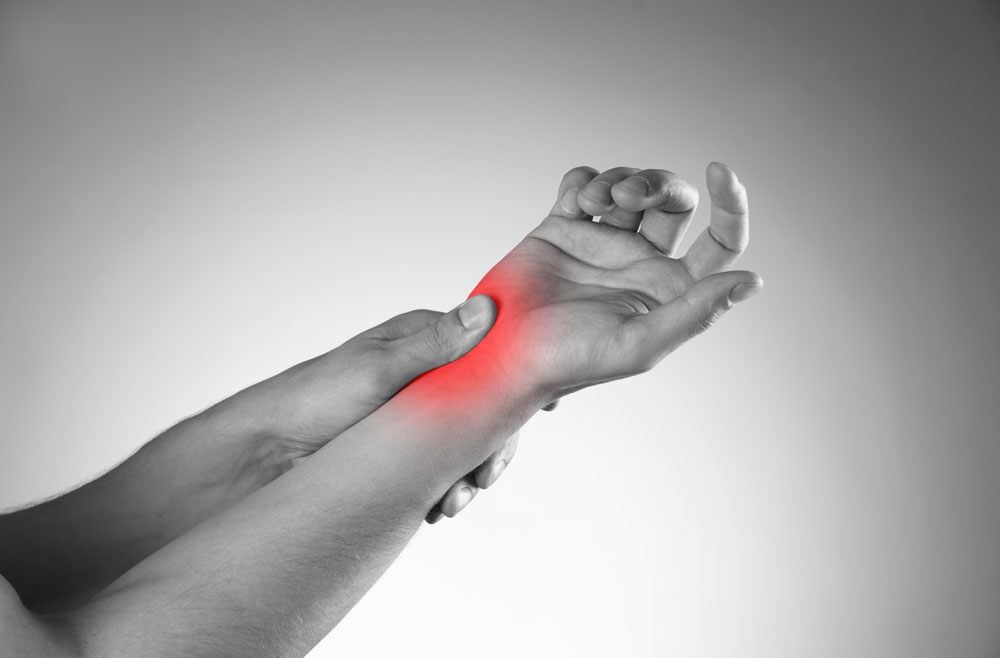
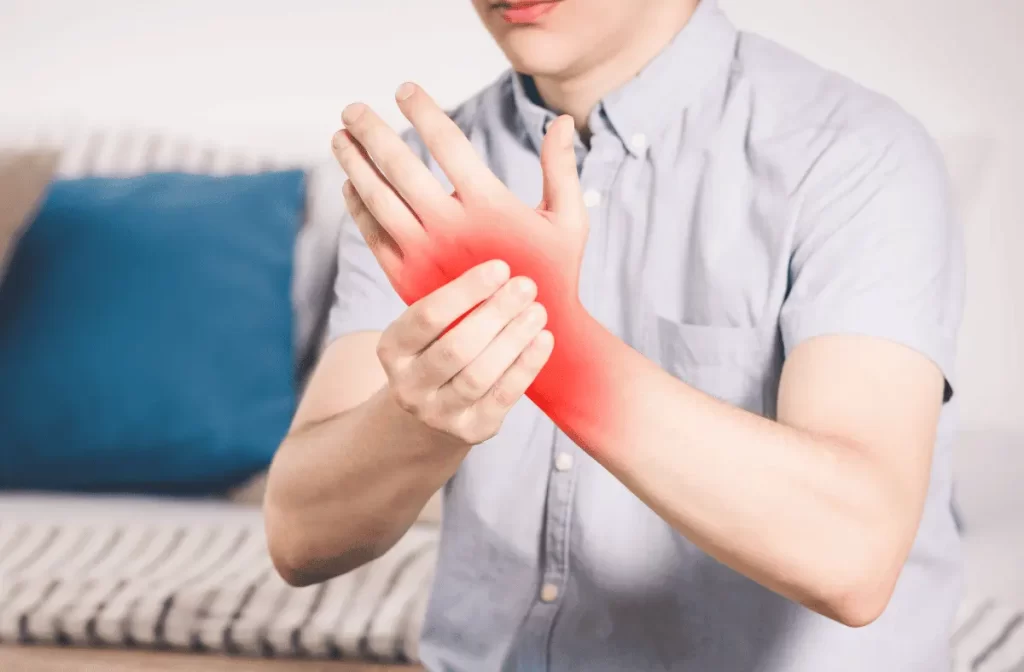
The hand and arm condition characterized by numbness, tingling, and other symptoms is known as carpal tunnel syndrome.

Several factors are believed to contribute to the development of the condition—patterns of hand use, wrist anatomy, and underlying factors, to name a few.

Depending on the condition’s severity, treatment options can range from splints, medications, and carpal tunnel syndrome surgery.

Symptoms

Tingling or numbness

Individuals with carpal tunnel syndrome often experience tingling and numbness in the fingers and hands.

In most cases, the tingling and numbness affects the thumb, index, and middle fingers.

There are also instances when the tingling sensation are felt in the wrist and the arm.

Weakness

People with carpal tunnel syndrome are also likely to experience hand weakness.

As a result, they tend to drop objects they are holding every now and then.

However, the tendency to drop objects can also be the result of the thumb’s pinching muscles or the hand’s numbness.

Causes

In majority of the cases, no single cause for carpal tunnel syndrome can be identified

In majority of the cases, no single cause for carpal tunnel syndrome can be identified.

It is highly likely however that the development of the condition can be attributed to a combination of many risk factors.

Essentially, carpal tunnel syndrome develops when the median nerve is compressed.

The median nerve provides both nerve signals and sensation.

When irritated or compressed, carpal tunnel syndrome occurs.

For instance, a fracture in the wrist can likely irritate the nerve and may result to carpal tunnel syndrome.

Swelling and inflammation due to rheumatoid arthritis may also lead to carpal tunnel syndrome.

Prevention

Although there are no proven strategies that can hinder the onset of the condition, several ways can be employed to ensure wrist and hand stress are minimized.

Grip

Manual tasks that will require the use of force can significantly increase an individual’s risk of developing carpal tunnel syndrome.

Case in point—if one’s work involves long periods of writing, it would be wise to opt for a pen that has a soft grip adapter.

Getting a pen with a soft grip adapter can help ensure gripping the pen tightly will not be required as the person goes about the task.

Form

As much as possible, bending the wrist all the way up or down should be avoided.

A relaxed position is considered ideal.

When using the keyboard, it is recommended that the elbow is kept at elbow length or lower.

Breaks

At all times, make it a point to give your hands and wrists frequent breaks.

Gentle stretches and periodical bending are highly recommended.

Also, when performing activities that will require exerting a tremendous amount of force, taking regular breaks is even more vital.

Posture

Posture that is incorrect can compress the nerves found in the neck.

When compressed, it can affect the fingers, hands, and wrists.

Treatment

Individuals who only experience mild symptoms of carpal tunnel syndrome can easily and effectively minimize the discomfort and pain by applying cold packs to minimize the swelling.

Taking routine and frequent breaks and not doing activities that will worsen the condition is also beneficial.

Other likely treatment options include splinting, medications, and carpal tunnel syndrome surgery.

Noninvasive options

Nonsurgical methods are often the chosen treatment route when the condition has been detected early.

Nonsurgical methods can include:

Wrist splinting

A splint can be the ideal recourse when looking to ease tingling and numbness at night.

Nocturnal splinting is also recommended for those who are pregnant but are suffering from carpal tunnel syndrome.

Nonsteroidal anti-inflammatory drugs (NSAIDs)

Ibuprofen (Advil, Motrin IB, and others) have been known to alleviate pain brought about by the condition.

However, no evidence yet as to its capability to improve the condition.

Corticosteroids

Corticosteroids function by decreasing inflammation and swelling.

However, corticosteroid injections have been proven more effective compared to the oral ones.

Surgery

If the condition does not respond to noninvasive treatment alternatives, surgery will be the recommended choice.

Head to www.bjios.sg to know how to spot telltale indicators of the condition and how to manage the condition accordingly.


0 comments
0 FacebookTwitterPinterestEmail

Bunion or Hallux valgus is a condition characterized by a body deformity of the joint situated at the big toe’s base.

Depending on the condition’s severity, treatment alternatives can range from taking painkiller medications to having bunions surgery.

Symptoms

Telltale symptoms of bunions include:

  • Pain and inflammation of the joint of the big toe
  • A swollen bump situated on the outside edge of the foot
  • Callused and red skin on the affected toe
  • Sore skin on the top of the area affected
  • Noticeable changes in the foot’s shape

Sans proper attention and treatment, the condition can worsen and may even require bunions surgery.

Causes

While no exact causes for bunions are known, there are probable causes that have been identified.

Some of the likely causes include:

Arthritis

Bunions has been associated with the following types of arthritis:

Psoriatic arthritis – associated with psoriasis, a known skin condition

Gout – this type typically affects the big toe

Rheumatoid arthritis – swelling and pain of the join can be attributed to the joint lining being attacked by the body’s own immune system

Genetics

If you have family members that have bunions, you have a relatively higher risk of also developing the condition.

However, it will not always follow that if someone in the family has it, everyone in the family will also have it.

Other possible causes

Poor fitting shoes

Wearing of footwear that is too tight has been known to contribute to the development of the condition.

For those who already have the condition, poor choice of footwear can no doubt make the condition even worse.

Treatment Options

Noninvasive treatment options are almost always the first resort when treating the condition

Non-surgical treatment alternatives

Noninvasive treatment options are almost always the first resort when treating the condition.

However, while non-surgical treatment alternatives can do much when it comes to alleviating both the discomfort and the pain, it won’t do much when it comes to preventing the condition from escalating over time.

Non-surgical treatment options include:

Painkillers

When the bunion is painful, over-the-counter painkillers are prescribed.

Paracetamol and ibuprofen are classic examples of OTC painkillers.

To play safe, make sure to always read the accompanying information leaflet and follow the dosage recommended.

Bunion pads

Bunion pads are also known to effectively ease pain brought about by the condition.

Reusable bunion pads made of gel or fleece can be easily purchased from pharmacies nowadays.

Bunion pads offer comfort by helping ensure your foot does not rub against your shoe.

Minimizing rubbing can help significantly reduce both pain and pressure.

Orthotics

Orthotics are typically placed inside the shoes and will work by helping realign the foot’s bones.

Orthotics has also been known effective in reducing the pain since it helps minimize pressure on the feet.

However, no evidence has been available yet when it comes to the effectiveness of orthotics even when used for long periods.

Surgery

If the bunion is very painful and already affects the patient’s quality of life, bunion surgery would be the recommended (and ideal) treatment recourse.

The surgery will be carried out in order to ease the pain and correct the alignment.

Nowadays, bunion surgeries are done as an outpatient procedure.

A general or local anesthetic will be used but the patient will not be required to stay in the hospital.

Different types of bunion surgeries

There are numerous surgical procedures for the treatment of bunions.

The procedure chosen will depend on the severity of the condition.

Some of the most common surgical procedures include:

Arthrodesis

This procedure is often considered ideal for those with advanced joint degeneration and severe deformities.

The procedure will entail fusing together the two bones in the big toe joint.

Post-surgery, patients would no longer be able to wear high heels as it would limit the movement of the big toe.

Osteotomy

This type of surgery for the bunion is deemed one of the most common.

The procedure involves cutting and removing a portion of the affected toe’s bone.

After the bony lump is removed, the bones will be realigned.

Bunions can worsen over time without proper management. Steer clear of the discomfort and pain bunions can bring by getting in touch with the experts at www.bjios.sg.

0 comments
0 FacebookTwitterPinterestEmail

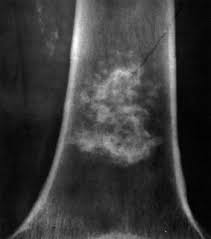
When cells divide at a rate that is both abnormal and uncontrollable, they form a mass of tissue or lump.

This mass of tissue is often referred to as tumor.

A tumor that forms or develops in the bones is called a bone tumor.

A bone tumor can be malignant or benign.

While the latter is considered non-fatal, it still comes with certain risks and may require treatment.

The former on the other hand is considered life-threatening as there is a possibility for the cancer cells to spread throughout the body.

Likely Causes

While unfortunate to note, no known definite causes have been identified for bone tumors yet.

However, likely causes include radiation, genetics, and bone injuries to name a few.

Osteosarcoma for one has been associated with the use of high doses of anticancer medications as well as high doses of radiation.

Patients with bone fractures repaired using metal implants have also been observed to be more susceptible to osteosarcoma.

Potential Symptoms

Some of the possible indicators of bone tumor include:

Pathologic Fracture

In some cases of undiscovered bone tumors, even a minor injury would be enough to break the weakened bone.

The condition is known as pathologic fracture and it often results to excruciating pain.

In some cases, swelling at the site of the tumor will manifest.

Movement

In some instances, bone tumors that are benign will not manifest any symptoms.

Oftentimes, treatment is not considered necessary.

However, when it starts to interfere with the patient’s function and movement, possible treatment options will be considered.

Dull Ache

One telltale sign of bone cancer is dull ache felt by patients in the affected bone.

In majority of the cases, the dull pain will manifest only occasionally at first.

However, overtime, it can become constant and severe.

In some cases, the pain becomes so severe that it wakes up afflicted patients at night.

Fevers

It is also very likely for people with bone tumor to experience night sweats or fever.

In the absence of night sweats or fever, patients might notice tissue masses on some parts of their body.

Diagnosis

Fractures, infections, and other conditions may sometimes resemble tumors

Fractures, infections, and other conditions may sometimes resemble tumors.

That being said, a variety of tests will be required to accurately diagnose the condition.

Some of the tests include:

  • Imaging tests

To gauge the size and the tumor’s exact location, an X-ray will be required.

Depending on the results, other imaging tests might also be recommended:

PET scan – can help determine the tumor’s location.

CT scan – can provide a series of highly detailed images that are taken from different angles.

MRI scan – can provide a detailed picture of the area affected.

Angiogram – can provide an X-ray of the blood vessels

  • Blood and urine tests

Blood and urine samples will be tested to assess the presence of tumors or other likely medical conditions.

The alkaline phosphatase test is often used to check for bone tumor.

When the tests reveal large quantities of the enzyme in the blood, it can be a sure indicator of bone tumor.

Biopsies are also sometimes recommended in order to get a better insight of the condition.

Either of the two kinds of biopsies might be requested:

  • Incisional Biopsy – this kind is also referred to as open biopsy. Unlike needle biopsy, this will require general anesthesia and is carried out in the operating room.
  • Needle Biopsy – the procedure is carried out by inserting a needle in the patient’s bone to remove a small part of the tissue. X-ray, MRI or CT scan results will be needed when performing needle biopsy so the location of the tumor can be accurately identified.

While benign bone tumors are common, having it checked by a doctor is still recommended. If you notice classic signs of a bone tumor, it would be best check with the experts at www.bjios.sg.

0 comments
0 FacebookTwitterPinterestEmail

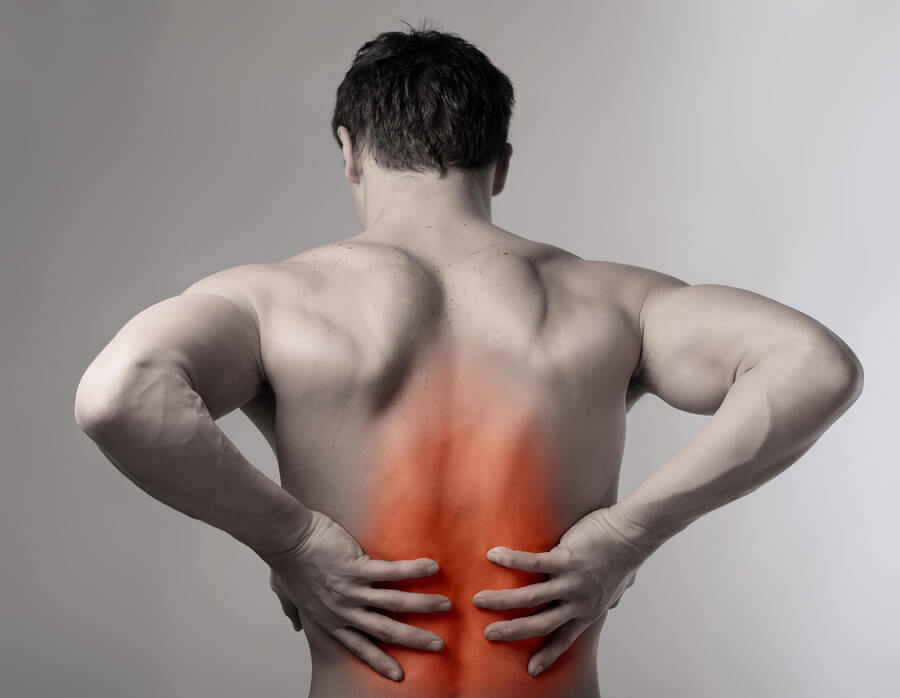
Back pain is very common that it affects most people at one point in their lives or another.

Common back pain triggers include bad posture, incorrect lifting, and awkward bending, among others.

Other likely causes include sports injuries, accidents, and muscle strains.

Treatment options for back pain are diverse.

However, before proper treatment can be decided on, a visit to a back pain specialist should be considered a must.

Causes

Whiplash

Neck injury that results from sudden impact

Sciatica

Irritation or compression of the sciatic nerve that results to tingling, pain, and numbness that may even travel down one leg

Ankylosing Spondylitis

Condition that can cause pain and stiffness

Slipped Disc

Occurs when one of the discs found in the spine gets damaged and presses on the nerves

Symptoms

It is ideal that an appointment with the doctor or back pain specialist is scheduled immediately

  • Sharp and localized pain in the neck and the lower and upper back. The pain often occurs after lifting heavy objects or doing strenuous activities. In some cases, however, upper back pain can also be a telltale sign of a heart attack or other life-threatening conditions.
  • Chronic pain felt in the middle or lower back after sitting or standing for long periods.
  • Persistent aches or stiffness felt anywhere along the spine.
  • Inability to stand up straight and not experience pain in the lower back or muscle spasms.

It is ideal that an appointment with the doctor or back pain specialist is scheduled immediately if the following alarming symptoms will manifest:

  • When pain from the back travels to the back of the leg, it can be an indicator of a medical condition known as sciatica.
  • Numbness, tingling, and weakness felt in the groins, arms, and legs. Aforementioned symptoms may be attributed to spinal cord damage.
  • If patient has problems controlling their bowel and bladder movement, seeking medical attention should be considered a must.
  • When pain in the back intensifies when coughing or bending forward, it can be due to a herniated disc.
  • When the back pain is accompanied by frequent fever or urination, it is highly likely that patient has an infection.

Other “red flags” to watch out for that can indicate more serious back issues include:

  • Night pains
  • Trauma history
  • Severe and consistent pain lasting for months
  • Drastic weight loss

Prevention

Exercise

Exercises such as walking and swimming are deemed ideal choices when tackling back pain.

Other recommended disciplines like Pilates and yoga can also significantly strengthen the muscles of the back and enhance flexibility.

Pressure

In order to keep the back strong and supple, putting strain, pressure, and stress on it should be avoided.

It is also important to keep in mind that the way one stands, lifts, and sits can have an impact on one’s overall health.

Treatment

Given that no other serious underlying condition is involved, back pains often eventually go away on its own.

However, for those who would like to alleviate the pain and hasten healing, the following tips will be helpful:

Stay active

As much as possible, it would be ideal to stay as active as you can and carry on with your day-to-day routine.

Take over-the-counter medications

Painkillers like ibuprofen or paracetamol are proven effective when it comes to alleviating back pain.

Try hot or cold compression packs

You can easily find and buy one from your local pharmacy.

If back pain persists for weeks, visiting a back pain specialist should be a priority.

Apart from giving the patient an accurate diagnosis, a medical professional can also recommend other treatment options like:

  • Exercise classes – a class that teaches exercises that can strengthen the muscles and improve posture might be prescribed.
  • Manual therapy – this can include physiotherapy and osteopathy.
  • Acupuncture
  • Strong painkillers

Back pain can be attributed to numerous causes. To check if your back pain is something to worry about, visit www.bjios.sg to find out.

0 comments
0 FacebookTwitterPinterestEmail
In essence, repetitive and intense strain on the Achilles tendon is primarily the cause of Achilles tendinitis

In essence, repetitive and intense strain on the Achilles tendon is primarily the cause of Achilles tendinitis.

Putting it another way, the condition is the injury of the Achilles tendon brought about by overuse.

The Achilles tendon is the tissue band that links the calf muscles (situated at the back of the lower leg) to the heel bone.

As one ages, the tendon structure weakens, making it more susceptible to injuries.

Likely Causes

Achilles tendinitis is prevalent among middle-aged individuals who engage in sports (i.e. tennis and basketball) only on the weekends and among runners who drastically increase the intensity and duration of their runs.

It is reassuring to note however that majority of Achilles tendinitis cases will respond to at-home remedies supervised by a medical professional.

However, serious cases should be given proper attention and treatment or it can result to tendon tears (ruptures) that might need surgical repair.

Common Symptoms

Telltale indicators of Achilles tendinitis include tenderness, stiffness, and mild ache in the back of the leg situated above the heel.

The symptoms will often manifest after runs and other intense activities.

Risk Factors

There are Some factors that can help increase one's risk of Achilles tendinitis

Some of the factors that can help increase one’s risk of Achilles tendinitis include:

Training choices – running on hilly terrains can significantly increase one’s likelihood of developing Achilles injuries. Wearing shoes that are worn-out can also increase the risk of developing the condition.

Age – the condition can occur more often as one ages

Sex – Achilles tendinitis is more common in men than in women

Medical conditions – patients with psoriasis and high blood pressure are more predisposed to Achilles tendinitis compared to their healthier counterparts

Physical problems – people with a flat arch in the foot are also more likely to develop the condition compared to others. Obesity and tight calf muscles are also factors that have been known to add to the tendon’s strain

Diagnosis

To accurately diagnose if the patient has Achilles tendinitis, the doctor will need to assess the range of motion, reflexes, flexibility, and alignment of both the ankle and the foot.

In some instances, the doctor will have to require other tests to evaluate the condition further.

Some of the likely tests include:

X-rays – while X-rays won’t be able to visualize the soft tissues, it is used to help rule out other conditions that might manifest the same symptoms.

Ultrasound – this device produces real-time images of the tendon in action using sound waves to visualize the soft tissues. If the blood flow around the tendon needs to be checked, a color-Doppler ultrasound will be required.

Magnetic resonance imaging (MRI) – with the use of radio waves and a strong magnet, MRI machines can produce highly detailed images.

Preventive Measures

While there is no sure way to prevent the condition from occurring, it is reassuring to know there are measures one can adapt to significantly reduce the risk of Achilles tendinitis from happening.

For starters, the following can help ensure Achilles tendinitis is kept at bay:

Cross-training – to ensure your Achilles tendon is safe from injury, it would be best to take it easy on the high-impact activities.

For instance, while it is perfectly okay to engage in running or jumping, consider it ideal to throw in some low-impact activities such as cycling and swimming.

Incorporating low-impact activities can help ensure your tendons are not strained.

Overexertion – as a general rule of thumb, refrain from engaging in activities that will put excessive strain on your Achilles tendons.

If you are going to do a strenuous activity, make sure to do your warm-ups first.

Also, when doing exercise routines, be sure to start slow and increase the duration and intensity as you go along.

Stretching –  to enhance flexibility, stretch your calf muscles and Achilles tendon in the morning before and after doing your exercise routine.

To know about Achilles tendinitis and its proper management, visit www.bjios.sg right away.

0 comments
0 FacebookTwitterPinterestEmail
Ingrown toenails occur when the corner or the side of the toenail grows into the soft flesh

A common condition that often affects the big toe is called ingrown toenails.

Ingrown toenails occur when the corner or the side of the toenail grows into the soft flesh.

Although seemingly harmless, sans treatment, ingrown toenails can sometimes result to infection.

In worse case scenarios, it might even require ingrown toenail surgery.

To keep ingrown toenail (and its complications) at bay, keep in mind the following helpful tips:

Make sure your footwear fits properly.

Nails that grow into the surrounding tissue can be the result of too much pressure placed on the toes. In most instances, the pressure can be attributed to wearing footwear that do not fit properly.

At all times, it is recommended that you only wear and purchase properly fitted shoes.

This is especially helpful if you also have other foot problems to take care of.

When possible, buy shoes from stores that specialize in fitting footwear for those individuals with foot issues.

Trim your nails straight across.

Ideally, when trimming your toenails, make it a point not to curve it to match your front toe’s shape.

If you will have your toenails trimmed at the salon, make it a point to instruct the pedicurist to trim your nails right across.

If you are suffering from a condition that causes poor blood flow to your feet, it would be ideal to have a podiatrist do your trimming on your behalf.

Ensure you do not trim your nails too short.

Apart from ensuring you trim the nails right across, it is also advisable that nails are not trimmed too short

Apart from ensuring you trim the nails right across, it is also advisable that nails are not trimmed too short.

As with everything else, moderation is always the key.

In other words, moderate length should be the goal—not too long and not too short.

While trimming the nails too short might seem like the ideal option at first glance, nothing can be farther from the truth.

In fact, it might even prove counterproductive.

When the toenails are trimmed too short, pressure from the shoes might cause the toenail to grow into the surrounding tissue.

Wear/use protective footwear when needed.

If you are susceptible to foot injuries while at work or at play, be sure to wear proper footwear.

For instance, if there is a high possibility of foot injuries while at work, wearing steel-toed footwear is ideal.

However, if you already have an ingrown toenail, seeking medical attention is required especially if the following symptoms will manifest:

  • Severe discomfort
  • Pus or redness in the affected area
  • If you have diabetes, infection, foot sore, or other conditions that will cause poor blood flow to the feet

Sans proper attention and treatment, ingrown toenails can cause infection and can affect the underlying bone. In other cases, it can even lead to serious bone infection.

Complications from ingrown toenails can be especially severe for people with diabetes. The condition can make any foot injury (even the minor ones) from healing properly.

Although ingrown toenail surgery is always not the first option recommended by doctors, it can become the primary option when the risk of complications is high.

When visiting your doctor or podiatrist, it is crucial that you come prepared so you will have all the bases covered.

When possible, prepare a list of questions you will ask so you will know all the essentials.

The following questions should make it to your list:

  • Is the condition going away on its own a possibility?
  • What treatment options are available?
  • What are the pros and cons of each treatment alternative?
  • Would ingrown toenail surgery be required?
  • Is the condition temporary or long-term?
  • What are the recommended nail care routines while healing?

Ingrown toenails are mostly harmless, given they are attended to right away.

Sans treatment however, it can be a different story.

The good news is discomfort and complications brought about by ingrown toenails are avoidable if attention and treatment are given right away before it escalates.

To ensure your ingrown toenail is managed properly, head to www.bjios.sg now.


0 comments
0 FacebookTwitterPinterestEmail